La Pampa is a vast Argentine province larger than Greece, Taiwan, or even Austria.
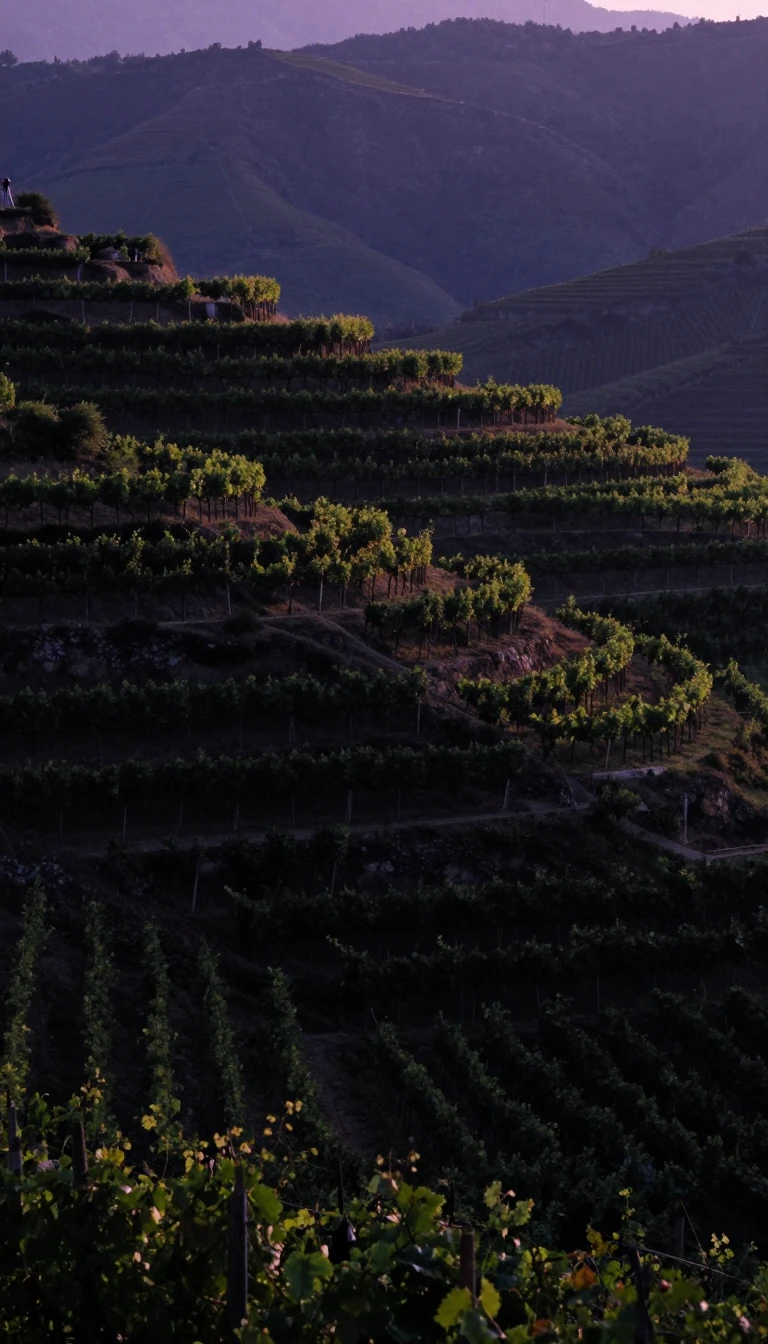
In short: Spanning a massive, sparsely populated landscape in central Argentina, La Pampa is defined by its dramatic thermal extremes and unique geological history. Once a frontier territory marked by indigenous resistance and colonial conquest, this region has evolved into a powerhouse of agricultural production, cattle ranching, and significant mineral extraction.
The history of La Pampa is a narrative of slow expansion and political transformation. While European explorers like Hernando Arias de Saavedra arrived as early as 1604, permanent settlement remained elusive for centuries due to indigenous resistance. It was not until the 19th-century 'conquest of the desert' led by Julio Roca that the territory was fully integrated. By 1884, the region was established as the Territorio Nacional de La Pampa Central, eventually becoming a province in 1945. Its political identity even shifted briefly in the 1950s, when it was renamed after Eva Perón before reverting to its original name in 1955.
Geographically, the province is a study in contrasts. While the central-eastern region is characterized by a gently tilted plain covered in a calcrete crust and transverse valleys, the Sierra de Lihuel Calel offers a rugged landscape of volcanic ignimbrite and unique landforms like tafonis and gnammas. The climate is equally varied, with a temperate east and a semi-arid west. Because the Andes block moisture-bearing winds from the southwest during winter, the province relies on summer precipitation, leading to large thermal amplitudes where temperatures can swing from extreme summer highs of 45 °C to winter lows of −17 °C.
Economically, La Pampa has long been a cornerstone of Argentine agriculture. The province produces significant portions of the nation's wheat and sunflower crops, but its primary economic engine remains cattle ranching, with millions of head of livestock across the territory. Beyond the surface, the land is rich in resources, housing hundreds of oil and gas wells alongside deposits of copper and various salts. Despite its economic output—which boasts a GDP per capita of US$14,000—tourism remains an underdeveloped sector, with visitors primarily exploring the province's vast estancias and natural reserves.
Opens the Intellect+ feed with this card first. Swipe up for the next one.
Sources
- Summary by Intellect · source: La Pampa Province
- Also: Wikidata — La Pampa Province · CC0
To cite this card, link to https://intellectplus.co.uk/app/places-la-pampa-province.
How we source, check and correct cards: Editorial standards.
General information, not professional advice. Spotted an error? Flag the card or see corrections and complaints.
Intellect Plus is a visual educational discovery platform for exploring fascinating facts and ideas. Brain Food, Not Brain Rot. What is Intellect Plus?
Related
More in Regions and country subdivisions · More in Countries & Cities · Latest · A–Z · All topics
