Deep in the Russian Arctic lies a vast, frozen lake with a radioactive secret.
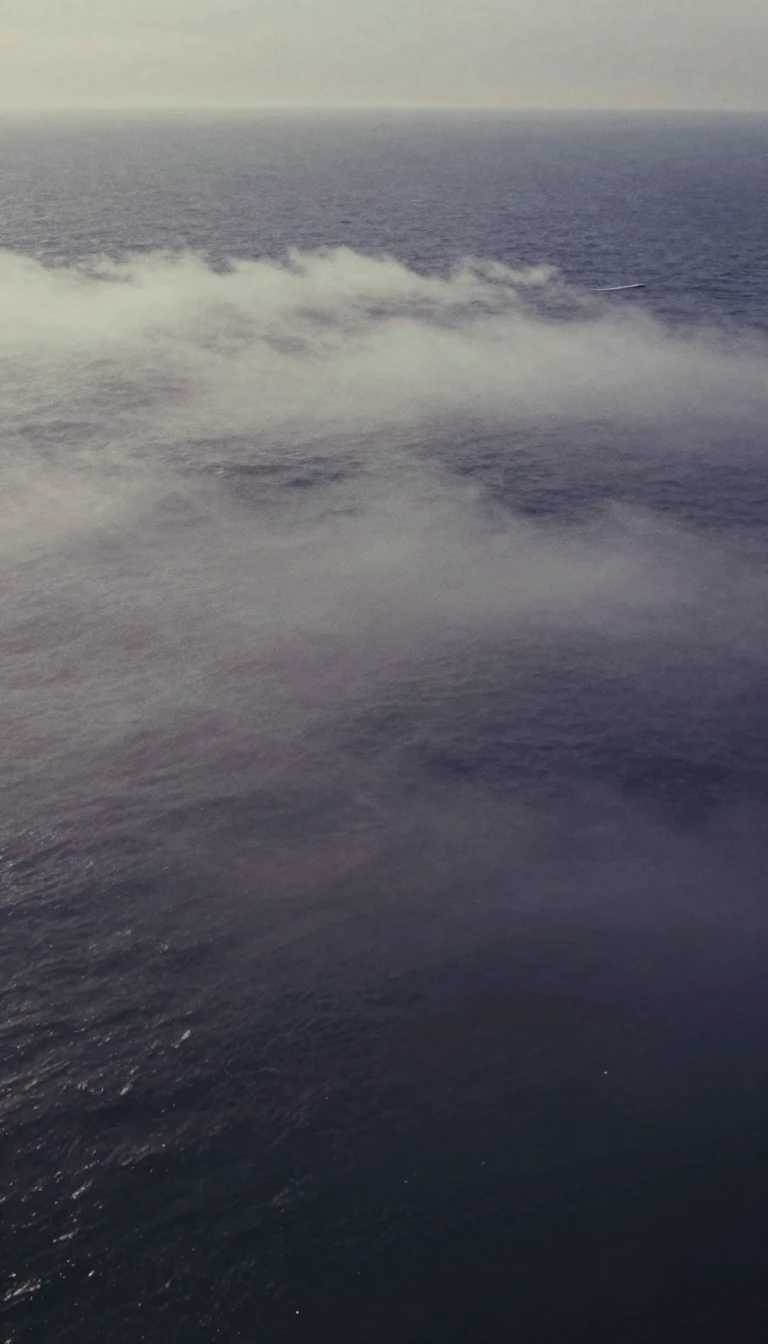
In short: Spanning over 160 kilometers across the remote Taymyr Peninsula, Lake Taymyr is a harsh, icy wilderness. While it teems with Arctic fish species, its sediment holds a haunting legacy of the Cold War era. Discover the geography, the wildlife, and the unexpected environmental markers of this isolated northern water body.
Located in the Krasnoyarsk Krai region of Russia, Lake Taymyr sits south of the Byrranga Mountains. The lake is characterized by a sprawling, irregular shape, stretching roughly 165 kilometers from east to west. Despite its significant length, the basin is relatively narrow, reaching a maximum width of only 23 kilometers at its eastern end. The surrounding tundra is dotted with marshes and smaller bodies of water, including the large Lake Kungusalakh and Lake Portnyagino, situated to the east and southeast.
The lake's hydrological cycle is dictated by the extreme climate of the Arctic. It remains encased in ice for much of the year, typically from late September through June. The Upper Taymyra serves as the primary inflow from the west, supplemented by several smaller tributaries such as the Zapadnaya, Severnaya, Bikada-Nguoma, Yamu-Tarida, and Kalamissamo. Once the water passes through the basin, it exits via the Lower Taymyra, which flows northward through the Byrranga mountain range. Water temperatures remain frigid, averaging just above 1 degree Celsius in winter and reaching approximately 7 degrees Celsius in August.
Despite its remoteness, the lake supports a variety of cold-water fish, including common whitefish, muksun, loach, and the specific char species Salvelinus taimyricus. However, human impact has reached even this isolated region. Researchers have identified traces of plutonium contamination within the lake's sediments. This is widely attributed to atmospheric nuclear testing conducted at Novaya Zemlya during the Cold War, with radioactive particles likely transported to the region by wind. Furthermore, the lake faces ongoing ecological pressure, as some fish populations are currently suffering from overexploitation.
The presence of these contaminants serves as a stark reminder of how global industrial and military activities can leave lasting marks on even the most inaccessible environments. While the lake remains a critical habitat for Arctic species, the combination of environmental stressors and historical pollution highlights the vulnerability of these northern ecosystems to external forces.
Opens the Intellect+ feed with this card first. Swipe up for the next one.
Sources
- Summary by Intellect · source: Lake Taymyr
- Also: Wikidata — Taymyr · CC0
To cite this card, link to https://intellectplus.co.uk/app/places-lake-taymyr.
How we source, check and correct cards: Editorial standards.
General information, not professional advice. Spotted an error? Flag the card or see corrections and complaints.
Intellect Plus is a visual educational discovery platform for exploring fascinating facts and ideas. Brain Food, Not Brain Rot. What is Intellect Plus?
Related
More in Bodies of water · More in Countries & Cities · Latest · A–Z · All topics
