How a massive Nicaraguan cathedral was engineered to survive centuries of volcanic eruptions and tremors
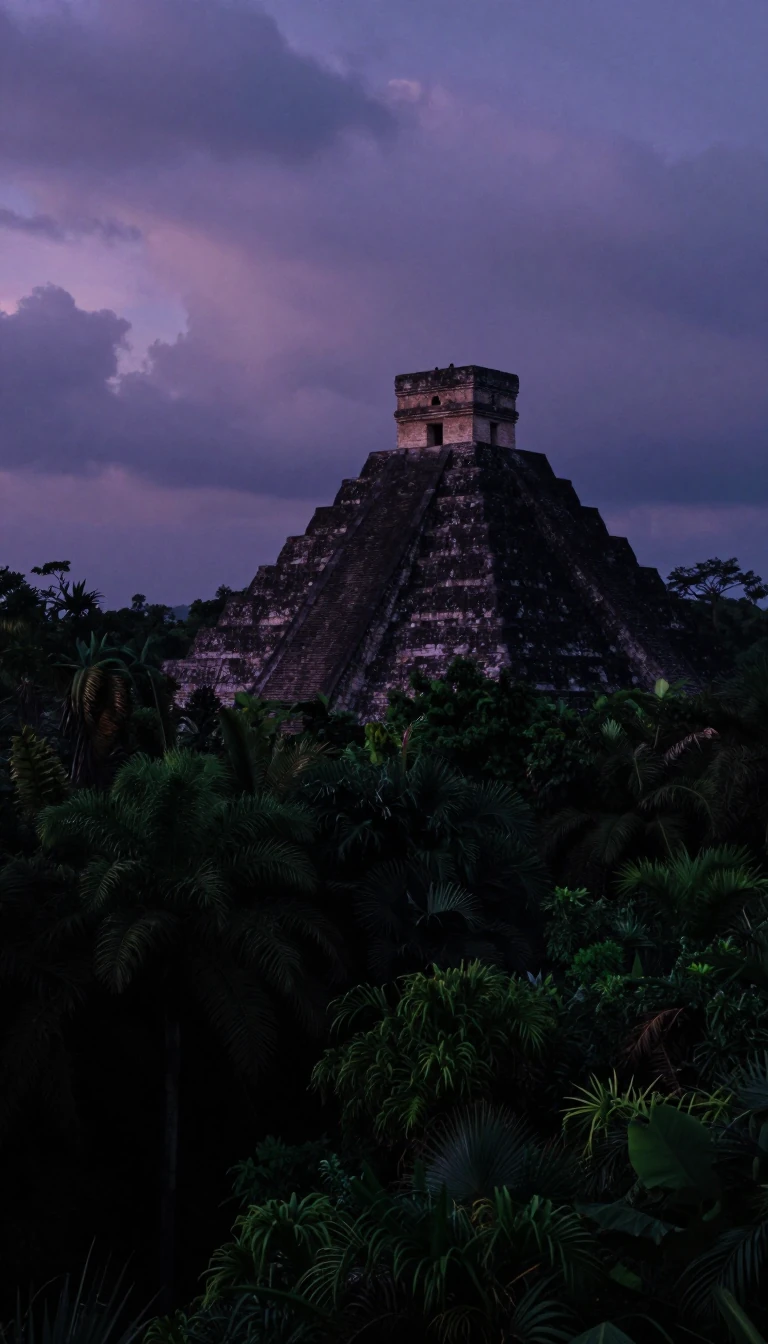
In short: The Cathedral of the Assumption in León is more than a spiritual landmark; it is an architectural fortress. Built between 1747 and 1814, this massive structure uses unique subterranean tunnels and cellars to withstand earthquakes, while its thick walls have protected it from volcanic ash and regional conflict for generations.
Designed by Guatemalan architect Diego José de Porres Esquivel in 1762, the cathedral is a masterclass in eclecticism. It seamlessly blends Baroque and Neoclassical elements with subtle influences from Gothic, Renaissance, and Mudéjar traditions. The building features a rectangular plan, two towers topped with Chinese-style domes, and a central nave flanked by four aisles. Its interior is defined by cruciform columns and a great dome over the crossing, all illuminated by 34 skylights that make it one of the most naturally bright cathedrals in the Americas.
The cathedral’s resilience is rooted in its ingenious engineering. To survive the seismic activity of the region, builders constructed seven cellars beneath the floor, which provide structural stability during tremors. These cellars connect to a network of seven tunnels that link the cathedral to other churches throughout León. Beyond its physical durability, the site serves as a national pantheon. Its crypts house the remains of 27 notable figures, including poets like Rubén Darío, independence hero Miguel Larreynaga, and several bishops, whose remains were relocated from the ruins of León Viejo in 2008.
Recognized by UNESCO as a World Heritage Site in 2011, the cathedral remains the headquarters of the oldest diocese in Nicaragua, founded in 1531. Its artistic legacy is equally significant, featuring works by sculptor Jorge Navas Cordonero—who created the Twelve Apostles and the lion guarding Darío’s tomb—and paintings by Antonio Sarria. By offering burial plots to prominent citizens, the church historically funded its own construction and ongoing maintenance, ensuring that this eclectic monument remains a central pillar of Nicaraguan history and culture.
Opens the Intellect+ feed with this card first. Swipe up for the next one.
Sources
- Summary by Intellect · source: León Cathedral, Nicaragua
To cite this card, link to https://intellectplus.co.uk/app/places-le-n-cathedral-nicaragua.
How we source, check and correct cards: Editorial standards.
General information, not professional advice. Spotted an error? Flag the card or see corrections and complaints.
Intellect Plus is a visual educational discovery platform for exploring fascinating facts and ideas. Brain Food, Not Brain Rot. What is Intellect Plus?
Related
More in World Heritage Sites · More in Countries & Cities · Latest · A–Z · All topics
