León, Nicaragua: A City Built on Volcanic Ash and Intellectual Ambition
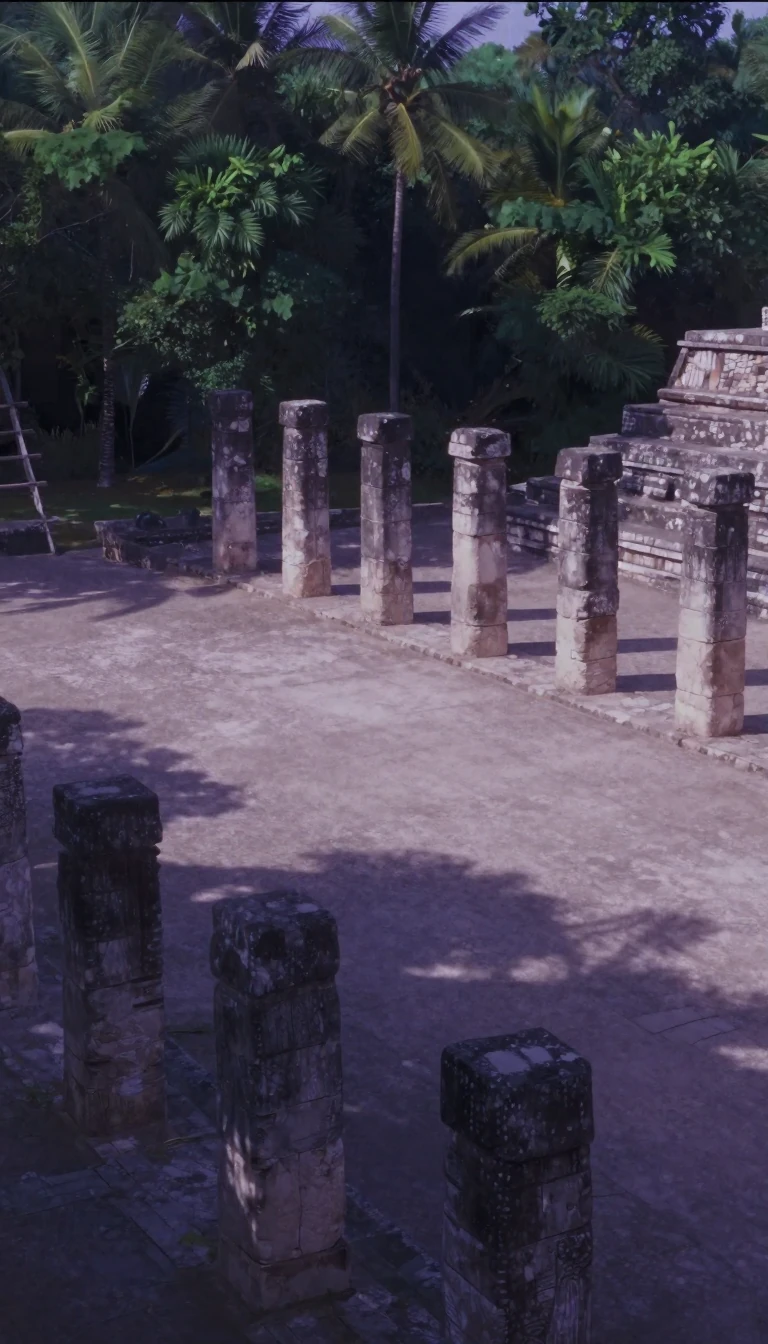
In short: León is more than a city; it is a resilient monument to Nicaraguan history. From its origins in the shadow of a destructive volcano to its status as a premier intellectual hub, this colonial center has survived earthquakes, civil wars, and political upheaval to remain a vibrant, living archive of the past.
The story of León begins in 1524, when Francisco Hernández de Córdoba established the original settlement. However, this first iteration was short-lived. In 1610, a series of seismic events triggered by a volcanic eruption forced the inhabitants to abandon their homes. These ruins, now known as León Viejo, were excavated in 1960 and designated a UNESCO World Heritage Site in 2000. The current city, situated roughly 30 kilometres away, has since become the nation's intellectual heart, home to the National Autonomous University of Nicaragua, founded in 1812.
León’s architectural landscape is a testament to its turbulent history. The Cathedral Basilica of the Assumption, the largest in Central America, has served as an episcopal seat since 1531. Its robust, anti-seismic design has allowed it to withstand centuries of volcanic activity and civil conflict. Inside, the crypts house the remains of legendary figures like the poet Rubén Darío, who was instrumental in the Modernism movement, and Miguel Larreynaga, a key architect of Nicaraguan independence. Other structures, such as the Church of Sutiava and the Church of la Recolección, showcase the city's blend of indigenous craftsmanship and colonial baroque artistry.
The city’s political legacy is equally complex. For years, it served as the capital of Nicaragua, alternating with Granada until Managua was chosen as a permanent compromise in 1852. The 20th century brought further intensity, including the 1956 assassination of President Anastasio Somoza García and the violent 1979 revolution. Today, sites like the former prison known as Cárcel la 21 serve as somber reminders of the city's past, while the surrounding landscape—defined by the active Cerro Negro and Momotombo volcanoes—continues to shape the daily lives and environment of its more than 213,000 residents.
Opens the Intellect+ feed with this card first. Swipe up for the next one.
Sources
- Summary by Intellect · source: León, Nicaragua
- Also: Wikidata — León · CC0
To cite this card, link to https://intellectplus.co.uk/app/places-le-n-nicaragua.
How we source, check and correct cards: Editorial standards.
General information, not professional advice. Spotted an error? Flag the card or see corrections and complaints.
Intellect Plus is a visual educational discovery platform for exploring fascinating facts and ideas. Brain Food, Not Brain Rot. What is Intellect Plus?
Related
More in Americas · More in Countries & Cities · Latest · A–Z · All topics
