Why this quiet English cathedral city was once called a city of philosophers
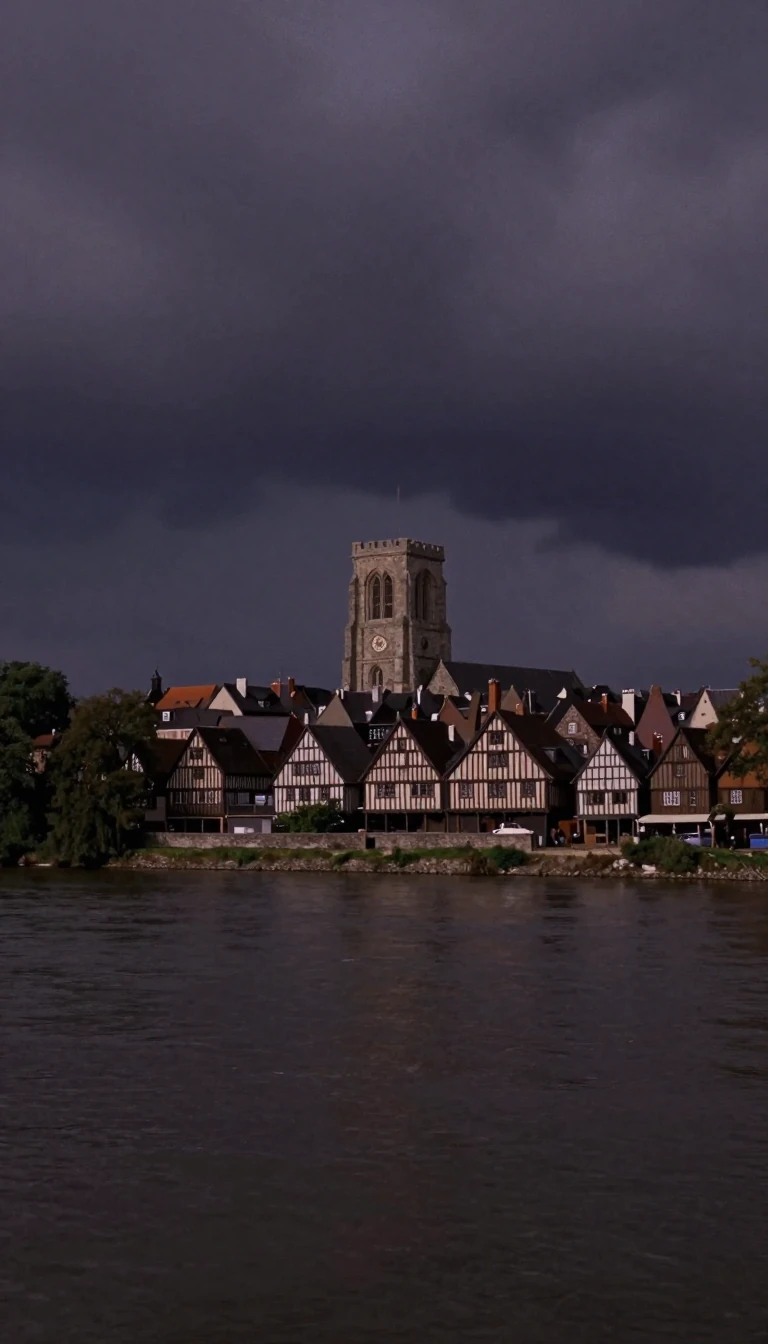
In short: Lichfield is a small, historic city in Staffordshire, but its influence once stretched far beyond its borders. From its origins as a sacred Mercian ecclesiastical hub to its 18th-century peak as a bustling coaching centre, Lichfield fostered an intellectual environment that drew some of England's most brilliant minds.
Lichfield’s identity was forged in 669 AD when St Chad established his bishopric there, transforming the settlement into the ecclesiastical heart of the Kingdom of Mercia. The city’s prestige grew as it became a pilgrimage site, housing the bones of St Chad in a cathedral that remains its most iconic landmark. By the 12th century, Bishop Roger de Clinton had solidified the city’s layout, creating the ladder-shaped street pattern that still defines the centre today. This medieval foundation allowed the city to survive through centuries of religious and political upheaval, including the Reformation and the English Civil War.
The city’s golden age arrived in the 18th century, when it became a vital stop on the coaching routes between London and the north-west. This prosperity supported a remarkable concentration of intellectual talent. Residents included the lexicographer Samuel Johnson, the actor David Garrick, the physician and poet Erasmus Darwin, and the writer Anna Seward. Johnson’s famous description of the city as a 'city of philosophers' captured the spirit of an era where Lichfield served as a hub for thinkers and artists. This period also saw the city’s architecture transformed, with many of the red-brick Georgian buildings that define its current character constructed during this time.
Despite its intellectual and ecclesiastical weight, Lichfield largely avoided the heavy industrialisation that reshaped nearby cities like Birmingham during the 19th century. While the arrival of the railways in 1837 ended its status as a premier coaching stop, the city preserved its historic charm. Today, it remains a unique blend of ancient tradition and modern growth, housing over 230 listed buildings while continuing to expand through new residential developments. It stands as a testament to how a small, non-industrialised city can maintain its cultural relevance through centuries of change.
Opens the Intellect+ feed with this card first. Swipe up for the next one.
Sources
- Summary by Intellect · source: Lichfield
- Also: Wikidata — Lichfield · CC0
- Also: Wikidata — Lichfield · CC0
To cite this card, link to https://intellectplus.co.uk/app/places-lichfield.
How we source, check and correct cards: Editorial standards.
General information, not professional advice. Spotted an error? Flag the card or see corrections and complaints.
Intellect Plus is a visual educational discovery platform for exploring fascinating facts and ideas. Brain Food, Not Brain Rot. What is Intellect Plus?
Related
More in Cities · More in Countries & Cities · Latest · A–Z · All topics
