Lijiang is a high-altitude crossroads of ancient human history and extreme biodiversity
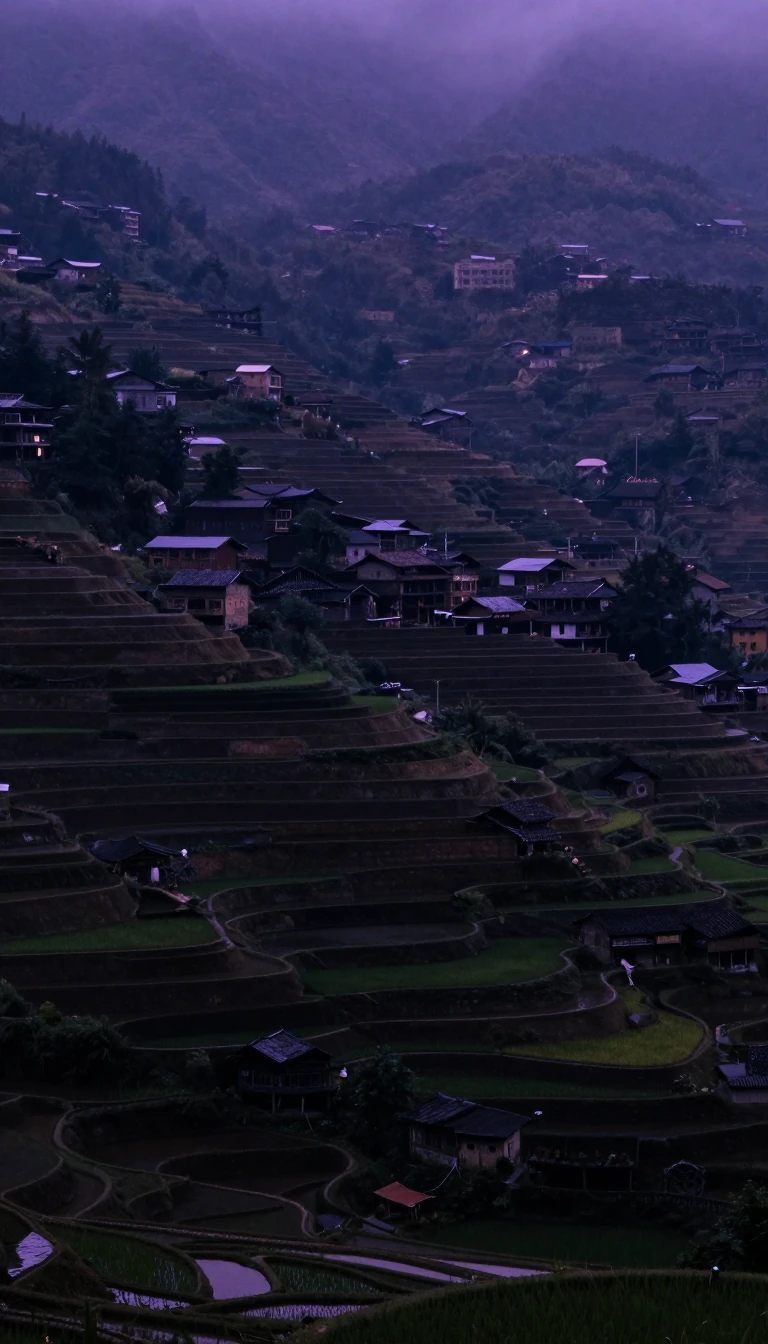
In short: Perched on the edge of the Qinghai-Tibet Plateau, Lijiang is a city defined by dramatic elevation shifts and deep historical roots. From Paleolithic cave dwellers to the Naxi kingdom and the ancient Tea and Horse Road, this region remains a vital center for both cultural heritage and global ecological conservation.
Lijiang, a prefecture-level city in Yunnan Province, sits at the convergence of the Hengduan Mountains and the Yungui Plateau. Its topography is defined by extreme verticality: the main peak of Yulong Snow Mountain reaches 5,596 meters, while the lowest point at the Tangba River sits at 1,015 meters. This 4,581-meter elevation difference creates a complex landscape of deep valleys, rivers, and over 100 alpine basins. The region is a critical ecological hub, recognized by the IUCN as one of 25 global biodiversity hotspots, boasting over 13,000 animal and plant species, including rare wildlife like the Yunnan golden snub-nosed monkey.
Human activity in the area dates back 100,000 years to the late Paleolithic era. By the Tang dynasty, the Naxi people had migrated to the region, establishing a distinct culture that persists today. The Naxi ruling house, known as the Mu family, maintained significant autonomy as a tusi, or indigenous office, through the Yuan, Ming, and Qing dynasties. This period saw the expansion of Lijiang’s influence into Sichuan and Tibet, facilitated by its position on the Ancient Southern Silk Road, also known as the Ancient Tea and Horse Road, which connected Burma to the Mediterranean.
The city’s cultural legacy is anchored by the Old Town of Lijiang, a UNESCO Heritage Site featuring ancient architecture and a sophisticated water-supply system. Beyond its history, Lijiang is a multi-ethnic settlement home to 22 ethnic minorities, including the Naxi and the matrilineal Mosuo people. Today, the city serves as a modern transport hub, connected by the Lijiang–Shangri-La railway opened in 2023 and high-speed rail links to Kunming, while continuing to preserve the Dongba script—the world’s only intact living pictographic writing system.
Opens the Intellect+ feed with this card first. Swipe up for the next one.
Sources
- Summary by Intellect · source: Lijiang
- Also: Wikidata — Lijiang · CC0
- Also: Wikidata — Lijiang · CC0
To cite this card, link to https://intellectplus.co.uk/app/places-lijiang.
How we source, check and correct cards: Editorial standards.
General information, not professional advice. Spotted an error? Flag the card or see corrections and complaints.
Intellect Plus is a visual educational discovery platform for exploring fascinating facts and ideas. Brain Food, Not Brain Rot. What is Intellect Plus?
Related
More in Major world cities · More in Countries & Cities · Latest · A–Z · All topics
