Liaoyang: The Ancient Chinese Capital That Became a Modern Industrial Flashpoint
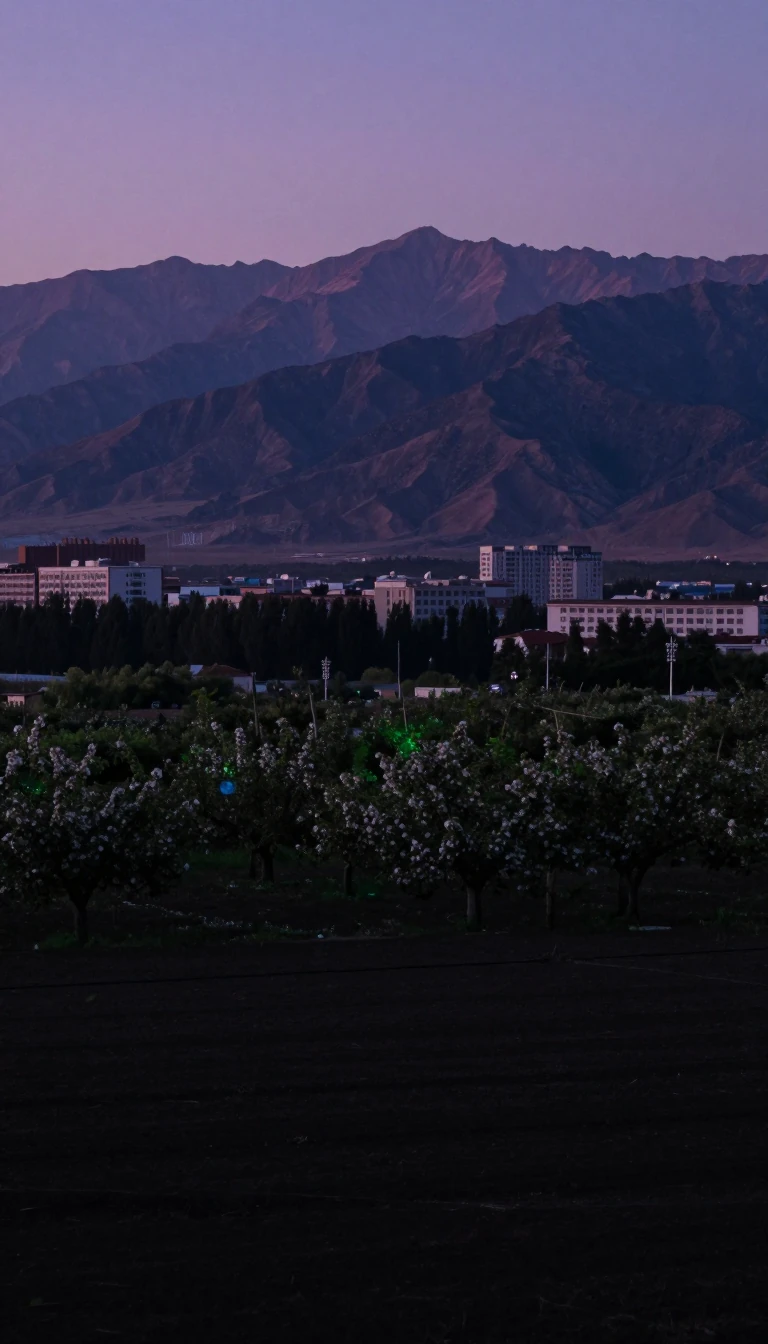
In short: Liaoyang is one of northeast China’s oldest continuously inhabited cities, serving as a political center for dynasties spanning two millennia. Yet, this historic site—once the capital of the Later Jin—is equally defined by its turbulent transition into the modern era, marked by major military conflicts and significant labor unrest.
Liaoyang, situated on the Taizi River in Liaoning province, boasts a history that predates the Warring States period. Known historically as Xiangping, it functioned as the capital of the Liaodong Commandery during the Qin and Han dynasties. Its strategic importance persisted through the centuries, serving as the eastern capital for the Jurchen Jin dynasty and briefly as the capital for the Manchu leader Nurhaci in 1621. The city's architectural legacy remains visible today, most notably through the White Pagoda, which dates to 1189, and the reconstructed Guangyou Temple, originally established in 1145.
The city's trajectory shifted dramatically in the 20th century. It became a focal point of the Russo-Japanese War during the 1904 Battle of Liaoyang and later hosted the headquarters of the 39th Mechanized Group Army. By the early 21st century, Liaoyang made international headlines due to widespread labor protests in March 2002. Triggered by the bankruptcy of the Liaoyang Ferroalloy Factory, thousands of workers from multiple industries demonstrated against corruption, unpaid wages, and mass layoffs. The government response included a curfew, the imprisonment of worker representatives Xiao Yunliang and Yao Fuxin, and the sentencing of the factory manager, Fan Yicheng, for fraud.
Today, Liaoyang balances its deep historical roots with contemporary development. While it preserves the memory of figures like the author Cao Xueqin and official Wang Erlie through dedicated museums, it also functions as a regional hub for tourism and commerce. Visitors frequent the Baita district, explore the reconstructed Dongjing capital site, and utilize modern infrastructure like the Gongchangling hot spring resorts. With a population where over 62% fall within the 15–59 age bracket, the city continues to evolve, blending its ancient status as a regional power center with the complexities of modern industrial life.
Opens the Intellect+ feed with this card first. Swipe up for the next one.
Sources
- Summary by Intellect · source: Liaoyang
- Also: Wikidata — Liaoyang · CC0
To cite this card, link to https://intellectplus.co.uk/app/places-liaoyang.
How we source, check and correct cards: Editorial standards.
General information, not professional advice. Spotted an error? Flag the card or see corrections and complaints.
Intellect Plus is a visual educational discovery platform for exploring fascinating facts and ideas. Brain Food, Not Brain Rot. What is Intellect Plus?
Related
More in Major world cities · More in Countries & Cities · Latest · A–Z · All topics
