Why the same hand gesture can mean a blessing in Rome or an insult elsewhere
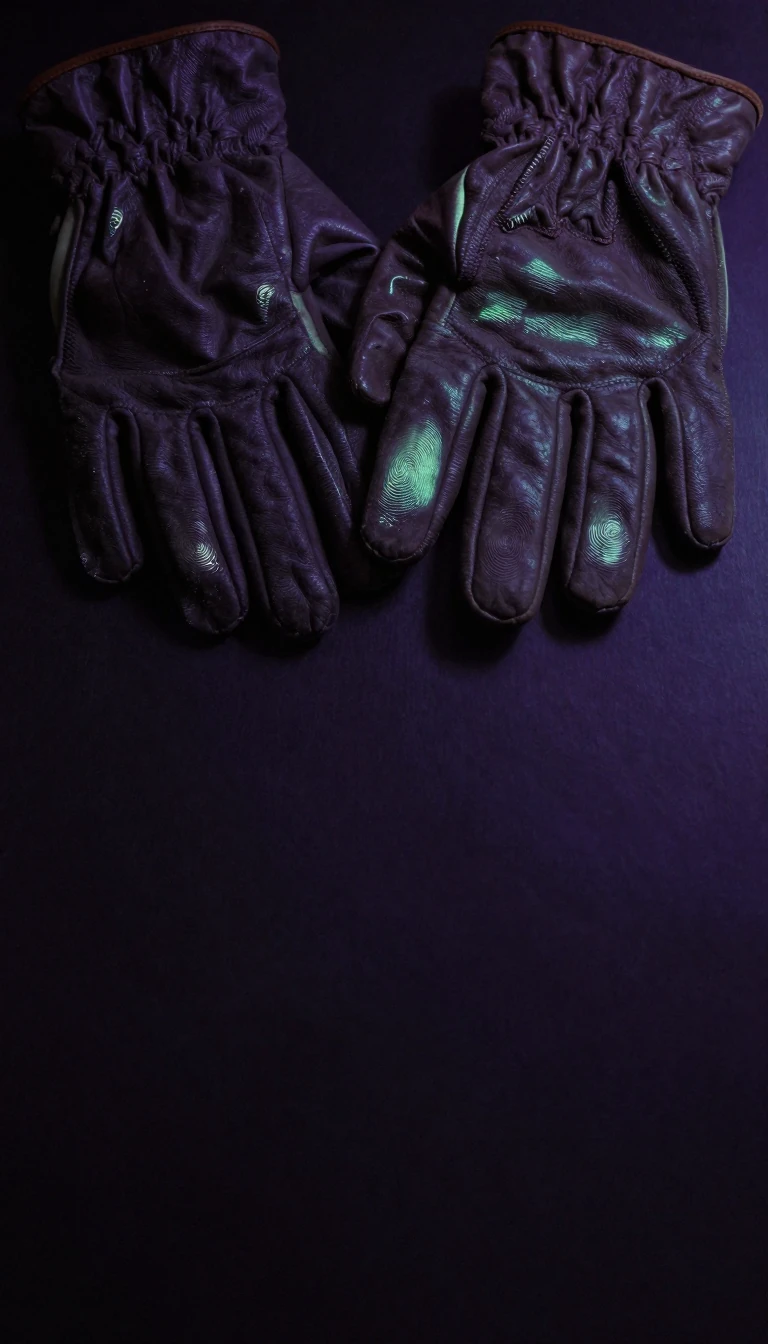
In short: Gestures are not universal languages. A simple movement of the hand can signify safety in one culture, a vulgar insult in another, or even a spiritual affirmation in a third. Understanding these nonverbal cues requires looking past the physical action to the specific social context where the meaning is born.
Gestures are visible bodily actions used to communicate specific messages, either alongside speech or as a substitute for it. While some actions like pointing are relatively consistent across cultures, most gestures are highly specific to their environment. A single emblematic movement can shift from complimentary to deeply offensive depending on the cultural setting, making them a complex layer of human communication.
Consider the 'A-OK' sign, formed by connecting the thumb and forefinger in a circle. In many Western contexts, it signals approval. However, in Brazil and Turkey, it is considered obscene, similar to the middle finger. In parts of Europe, it can imply arrogance or even refer to anal sex. Its meaning is further complicated by recent history, where it has been associated with white power movements, originating as a prank on 4chan. Similarly, the 'fig sign'—where the thumb is thrust between the index and middle fingers—was once a fertility charm in ancient Greece but is now an offensive gesture in countries like Indonesia, Russia, and Serbia.
Context also dictates how we interpret movement in different social institutions. In African-American church culture, a dismissive hand wave—often used elsewhere to tell someone to go away—can serve as a positive, nonverbal affirmation of a powerful musical performance. Meanwhile, historical and religious gestures carry their own weight. The 'hand of benediction' used by Christian clergy, featuring raised fingers representing the Holy Trinity, traces its roots back to ancient Roman oratory. These gestures are not merely static symbols; they are living tools that evolve through history, geography, and social practice, proving that the meaning of a gesture is always defined by the observer as much as the actor.
Opens the Intellect+ feed with this card first. Swipe up for the next one.
Sources
- Summary by Intellect · source: List of gestures
- Also: Wikidata — list of gestures · CC0
To cite this card, link to https://intellectplus.co.uk/app/places-list-of-gestures.
How we source, check and correct cards: Editorial standards.
General information, not professional advice. Spotted an error? Flag the card or see corrections and complaints.
Intellect Plus is a visual educational discovery platform for exploring fascinating facts and ideas. Brain Food, Not Brain Rot. What is Intellect Plus?
Related
More in Countries and other regions · More in Countries & Cities · Latest · A–Z · All topics
