The handshake is an ancient ritual that may secretly function as a chemical sensor.
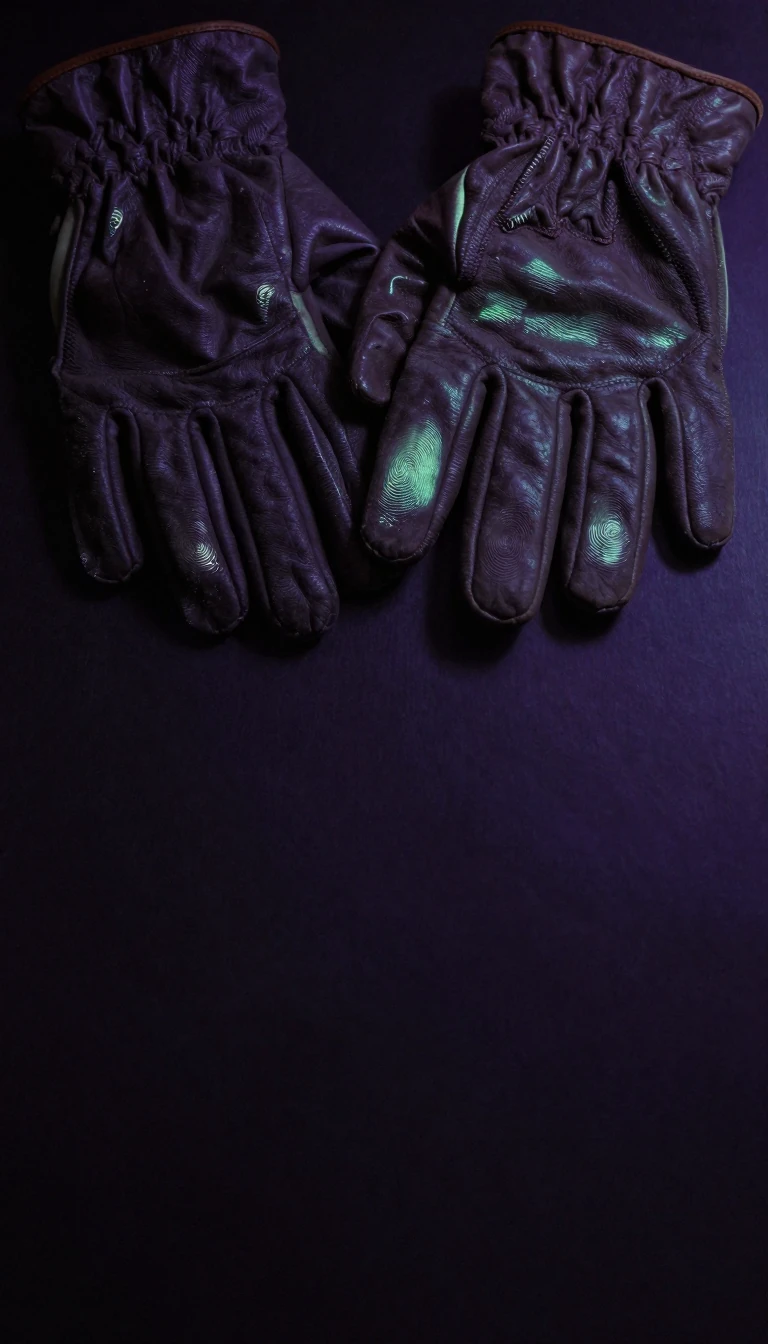
In short: Beyond its role as a social greeting or a seal for business deals, the handshake may serve an evolutionary purpose. Research suggests that humans use this contact to transfer social chemical signals, often instinctively bringing their hands toward their noses to gather information about the person they have just met.
While modern handshakes are often viewed as a simple demonstration of peaceful intent—showing that one holds no weapon—their roots run deep into antiquity. Archaeological evidence, such as an Assyrian relief from the 9th century BC, depicts kings sealing alliances through this gesture. By the 5th century BC, the practice, known as dexiosis, was well-established in ancient Greece, frequently appearing on funerary steles to commemorate bonds between individuals.
The mechanics of the handshake vary wildly across the globe, reflecting distinct cultural values. In many Western nations, a firm grip is expected, whereas in parts of the Middle East and Asia, such as Turkey, Japan, or Korea, a softer touch is preferred to avoid appearing aggressive or rude. In some regions, the gesture is highly ritualized; for instance, Liberians may perform a snap handshake, while in Ethiopia, using the left hand is considered offensive. These nuances extend to social hierarchies, where age and gender often dictate who initiates the contact.
Beyond cultural etiquette, the handshake has become a focal point for public health discussions. Because skin-to-skin contact is a known vector for microbial pathogens, institutions have increasingly explored alternatives like the fist bump or non-contact greetings. This shift gained significant momentum during the 2009 H1N1 pandemic and the COVID-19 crisis, leading some hospitals to designate 'handshake-free zones' to curb disease transmission. Even in sports, such as fencing, traditional post-match handshakes have been reconsidered in favor of distance greetings to balance tradition with safety.
Despite these challenges, the human drive to connect through touch remains powerful. From the competitive endurance of record-breaking handshake marathons—where individuals have held hands for over 15 hours—to the political 'hand hug' designed to project warmth and honesty, the gesture persists. Whether it is a formal agreement or a fleeting social encounter, the handshake remains a complex, multi-layered ritual that bridges the gap between ancient instinct and modern social necessity.
Opens the Intellect+ feed with this card first. Swipe up for the next one.
Sources
- Summary by Intellect · source: Handshake
To cite this card, link to https://intellectplus.co.uk/app/culture-handshake.
How we source, check and correct cards: Editorial standards.
General information, not professional advice. Spotted an error? Flag the card or see corrections and complaints.
Intellect Plus is a visual educational discovery platform for exploring fascinating facts and ideas. Brain Food, Not Brain Rot. What is Intellect Plus?
Related
More in Culture · More in Cultures · Latest · A–Z · All topics
