The world's oldest underground metro system is actually mostly above ground today
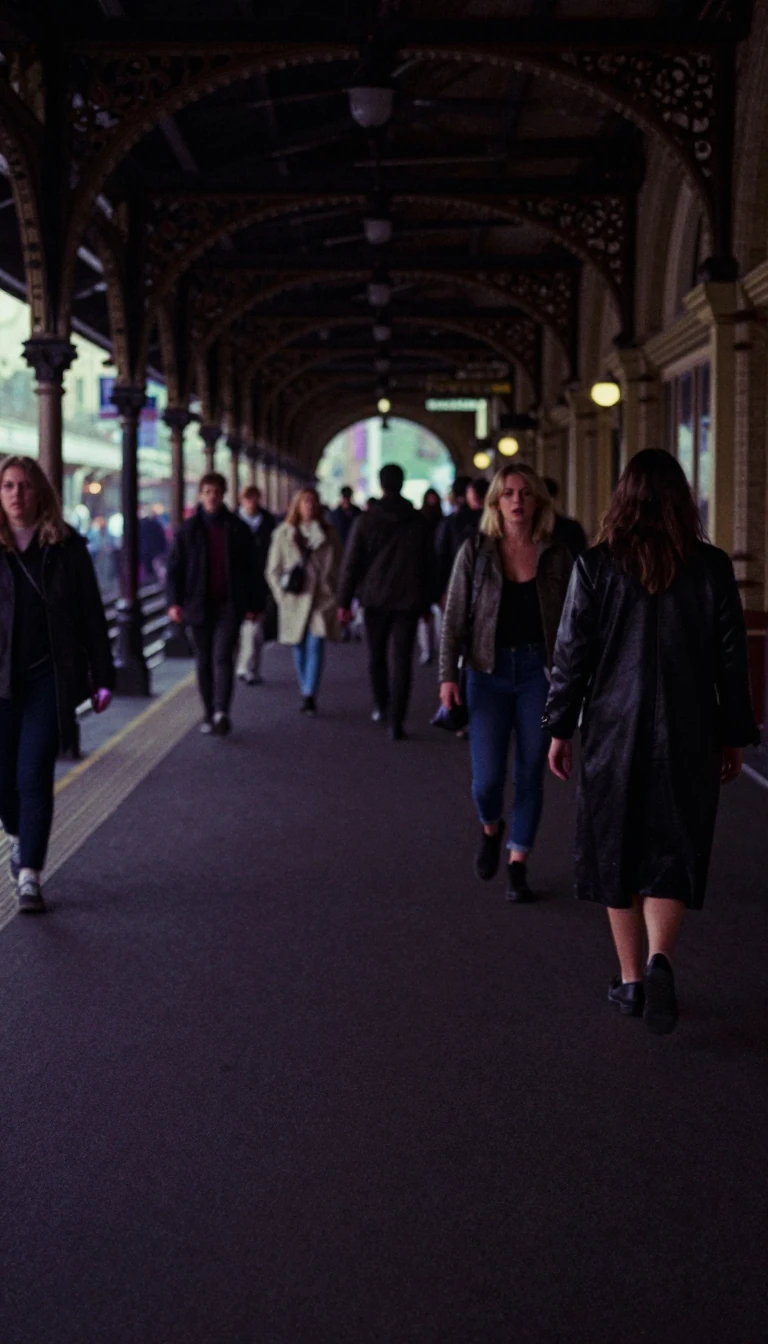
In short: London's iconic Tube network, which launched in 1863, holds the title of the world's oldest underground metro. Yet, despite its subterranean reputation, roughly 55% of the current system operates on the surface. This sprawling transit web serves 272 stations, revealing surprising geographical quirks and naming anomalies across the city.
The London Underground, managed by Transport for London, serves Greater London alongside parts of Buckinghamshire, Essex, and Hertfordshire. While it is famous for its deep-level tunnels, the system generally transitions to surface-level tracks as it extends into the outlying suburbs. This design choice reflects the network's evolution since its inception, where the need to navigate dense urban centers necessitated tunneling, while suburban expansion allowed for more cost-effective surface routes.
Geographically, the system is heavily concentrated north of the River Thames. In fact, six London boroughs located south of the river remain entirely unserved by the Underground. Even in the north, coverage is not uniform; the London Borough of Hackney, for instance, only features two stations situated on its border. The network's reach extends into neighboring counties, with stations in the Epping Forest district of Essex, as well as the Three Rivers and Watford districts of Hertfordshire.
The official count of 272 stations can be deceptive due to historical and operational complexities. There are instances where distinct stations share identical names, such as the two separate Edgware Road stations and two Hammersmith stations. Furthermore, the station at Paddington is served by multiple lines but is split across different sides of a main line station. While the current Tube map depicts it as a single entity, it is officially counted as two separate stations, a classification that has shifted periodically throughout the system's history. The most recent expansion occurred in September 2021, when the Northern line extension added the Battersea Power Station and Nine Elms stops.
Opens the Intellect+ feed with this card first. Swipe up for the next one.
Sources
- Summary by Intellect · source: List of London Underground stations
To cite this card, link to https://intellectplus.co.uk/app/places-list-of-london-underground-stations.
How we source, check and correct cards: Editorial standards.
General information, not professional advice. Spotted an error? Flag the card or see corrections and complaints.
Intellect Plus is a visual educational discovery platform for exploring fascinating facts and ideas. Brain Food, Not Brain Rot. What is Intellect Plus?
Related
More in UK & Ireland: places · More in Countries & Cities · Latest · A–Z · All topics
