Livingstone: The colonial gateway that became a modern hub for Zambian tourism
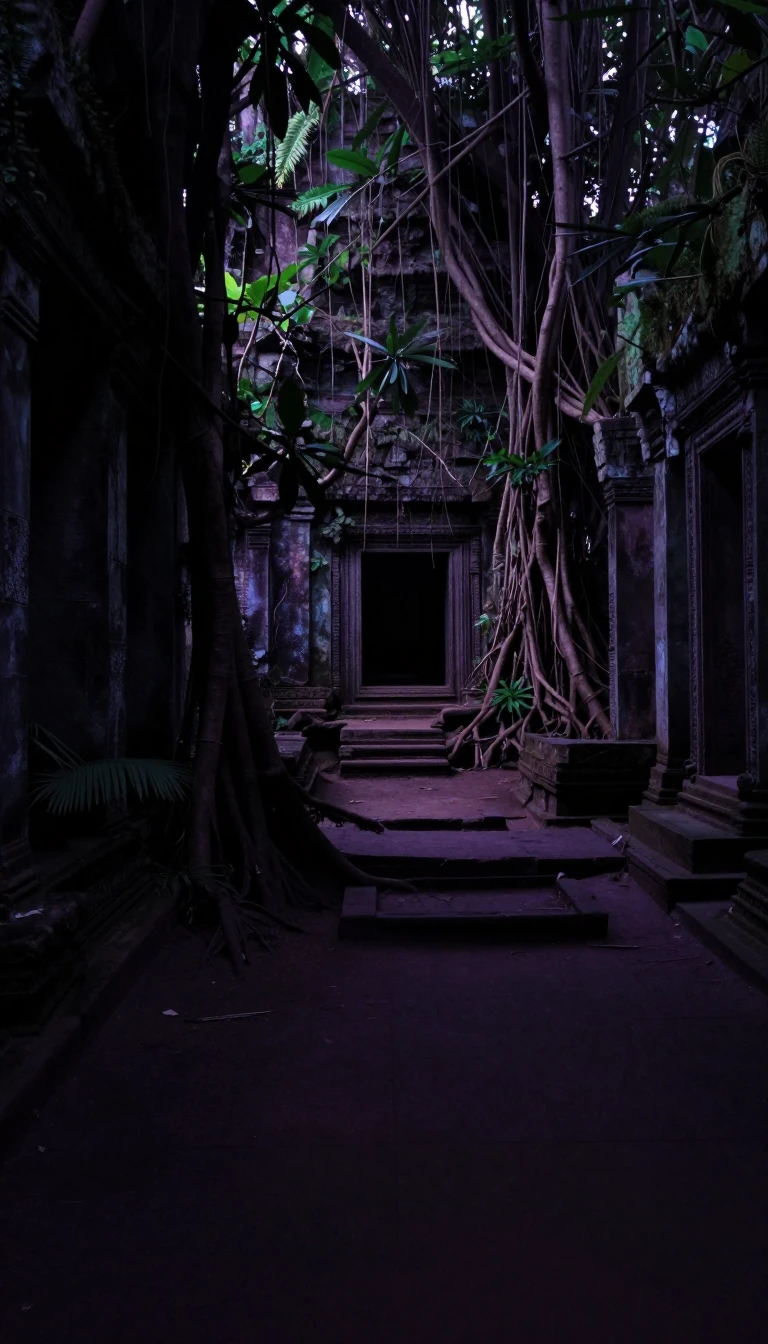
In short: Named after the famed Scottish explorer, this Zambian city evolved from a malaria-prone colonial settlement into a bustling tourist center. Once the capital of Northern Rhodesia, it now serves as a vital trade link and the primary gateway for travelers seeking the majesty of the nearby Victoria Falls.
Before the arrival of European settlers, the region was home to various groups, including the Baleya, who were established in the area by the 16th century, and the Batoka. The landscape shifted significantly in 1838 when the Kololo, a Sotho group fleeing conflict in South Africa, arrived and conquered the Lozi people. By 1855, David Livingstone became the first European to view the Victoria Falls, guided by the Subiya-Kololo Chief Sekeletu.
The modern city traces its roots to the 1890s, when the British South Africa Company began mineral prospecting and resource extraction. A settlement emerged at the Old Drift, but high malaria rates forced a relocation to higher ground, which was eventually named Livingstone. In 1907, the city became the capital of Northern Rhodesia, a role it held until 1935 when the administration moved to Lusaka. During the colonial era, the city was strictly segregated, with the town center reserved for the government and white-owned businesses, while African workers lived in separate townships.
The post-independence era brought significant changes. Following Zambia's independence in 1964, many white residents migrated south, and the government later nationalized property. Economic challenges in the 1970s, exacerbated by border closures, led to a period of decline. However, the 21st century has seen a resurgence. Today, Livingstone thrives as a tourism hotspot, supported by international airport connections and infrastructure projects like the Katima Mulilo Bridge, which integrates the city into wider regional trade networks.
The city remains a cultural crossroads, hosting diverse religious communities and museums that document its complex history. From the Livingstone Museum to the Railway Museum, the city preserves its past while embracing its role as a modern gateway. Its climate, characterized by hot wet seasons and mild dry periods, continues to draw visitors from across the globe to the banks of the Zambezi.
Opens the Intellect+ feed with this card first. Swipe up for the next one.
Sources
- Summary by Intellect · source: Livingstone, Zambia
- Also: Wikidata — Livingstone · CC0
To cite this card, link to https://intellectplus.co.uk/app/places-livingstone-zambia.
How we source, check and correct cards: Editorial standards.
General information, not professional advice. Spotted an error? Flag the card or see corrections and complaints.
Intellect Plus is a visual educational discovery platform for exploring fascinating facts and ideas. Brain Food, Not Brain Rot. What is Intellect Plus?
Related
More in Africa · More in Countries & Cities · Latest · A–Z · All topics
