How a medieval fortress on the Elbe became a crucible of European history
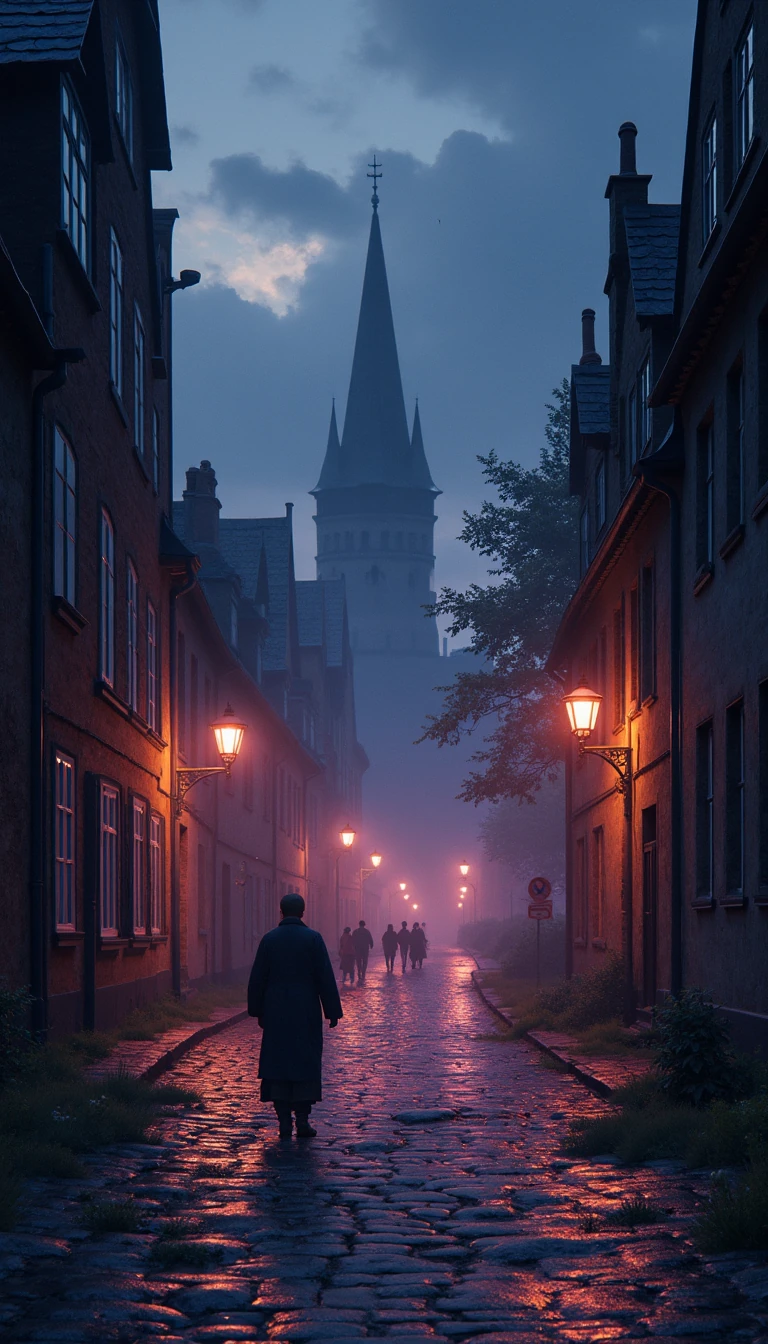
In short: Magdeburg has survived centuries of near-total destruction, from the Thirty Years' War to the firestorms of 1945. Yet, this resilient city on the Elbe remains a pivotal site of scientific discovery, religious upheaval, and legal innovation that once shaped the governance of cities across the entire European continent.
First documented in 805 by Charlemagne, Magdeburg evolved from a frontier stronghold into a powerhouse of the Holy Roman Empire. By the 13th century, it was among the empire's most significant urban centers, boasting a population exceeding 20,000. Its influence was cemented by the Magdeburg rights, a legal framework for municipal governance that was adopted and adapted by cities throughout Central and Eastern Europe. This legal prestige, combined with its membership in the Hanseatic League, established the city as a vital hub for maritime and inland commerce.
The city's history is defined by cycles of ruin and rebirth. In 1631, imperial forces decimated the population, killing approximately 20,000 people during the Thirty Years' War. Remarkably, the city recovered under the leadership of mayor and physicist Otto von Guericke. In 1654, Guericke conducted his famous vacuum experiments using the Magdeburg hemispheres, providing empirical evidence that fundamentally altered the trajectory of physics. This spirit of endurance persisted through the 20th century, despite the devastation of the Second World War and decades of neglect under the German Democratic Republic.
Today, Magdeburg serves as the capital of Saxony-Anhalt and has undergone extensive modern restoration. While it remains a center for industry and research, its past is never far from the surface. From the 1,200th-anniversary celebrations in 2005 to the ongoing preservation of its remaining pre-1950 architecture, the city balances its role as a modern logistics and technology hub with the weight of its complex, often turbulent, historical legacy.
Opens the Intellect+ feed with this card first. Swipe up for the next one.
Sources
- Summary by Intellect · source: Magdeburg
- Also: Wikidata — Magdeburg · CC0
To cite this card, link to https://intellectplus.co.uk/app/places-magdeburg.
How we source, check and correct cards: Editorial standards.
General information, not professional advice. Spotted an error? Flag the card or see corrections and complaints.
Intellect Plus is a visual educational discovery platform for exploring fascinating facts and ideas. Brain Food, Not Brain Rot. What is Intellect Plus?
Related
More in Countries and other regions · More in Countries & Cities · Latest · A–Z · All topics
