Why the Great Night of Shiva is a cosmic moment for millions of Hindus
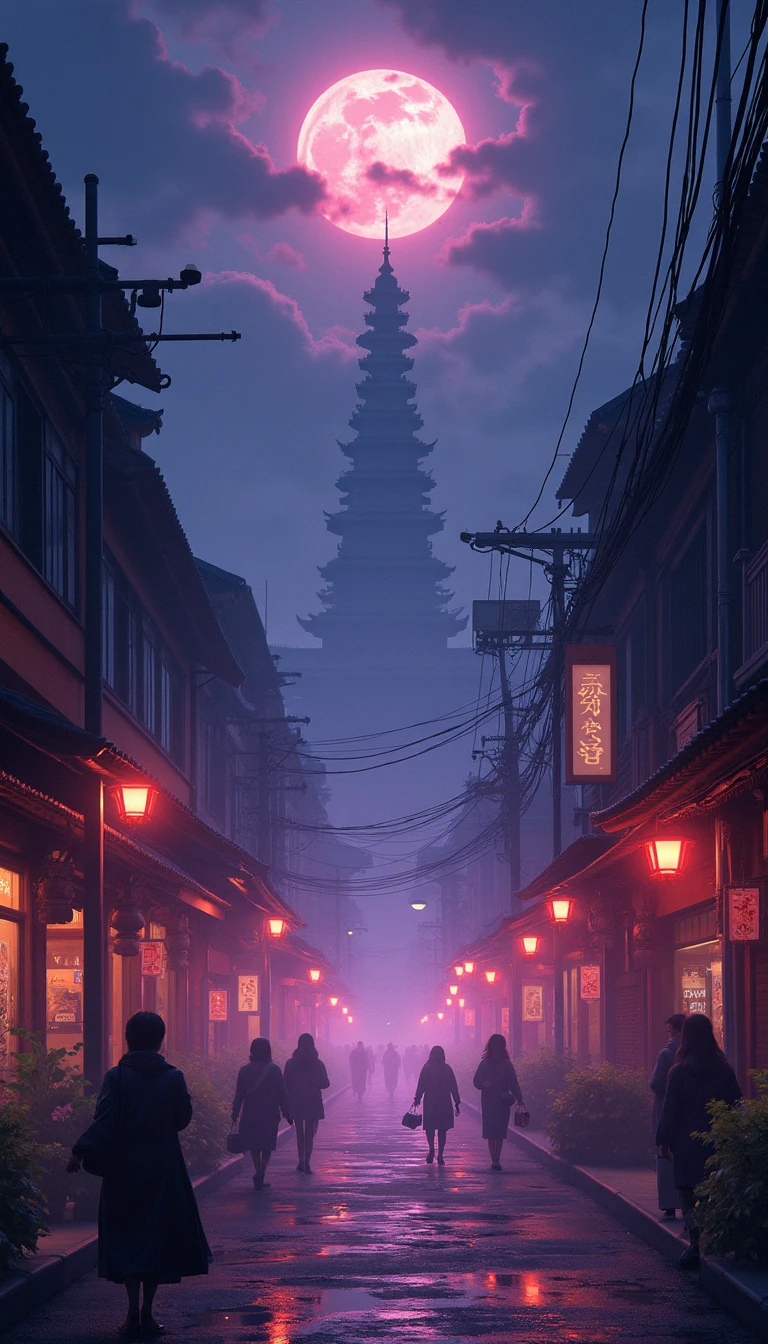
In short: Maha Shivaratri, or the Great Night of Shiva, is a profound annual festival dedicated to one of Hinduism’s supreme deities. Observed through fasting, prayer, and night-long vigils, this sacred occasion commemorates ancient legends of creation, the divine marriage of Shiva and Parvati, and the rhythmic dance that sustains the universe.
Maha Shivaratri falls on the fourteenth day of the waning moon in the lunar month of Phalguna or Magha. Unlike many Hindu festivals celebrated during daylight, this event is defined by an all-night vigil, or jagarana. Devotees often engage in strict fasting, avoiding grains and certain salts, while offering bilwa leaves or fruit to the lingam, the aniconic form through which Shiva is typically worshipped. For the millions of Shaivites, this night represents a dedicated effort to overcome ignorance and darkness, subordinating the ego to a power greater than themselves.
The festival’s mythology is vast and multifaceted. Central to the celebration is the marriage of Shiva—who embodies consciousness—and Parvati, who represents creative energy. This union is viewed as a cosmic event that inaugurated the universe. Another core theme is the Tandava, Shiva’s dance of creation, preservation, and destruction. By performing this dance, Shiva maintains the balance between dynamic energy and stillness, a process that believers see as an ongoing, eternal rhythm of existence.
The origins of Shiva are complex and debated. Some scholars point to a seal discovered at Mohenjo-daro, dating to between 2600 and 1900 BCE, which depicts a cross-legged figure surrounded by animals. While some interpret this as an early form of the deity, others caution that the evidence is insufficient for a definitive link. Shiva’s evolution is clearer in later texts; he emerged from the Vedic deity Rudra and was formally identified as Shiva in the Shvetashvatara Upanishad, written in the final centuries before the Common Era. Today, the festival remains a vital link to these ancient traditions, serving as a time for couples to reflect on balance, fidelity, and the shared responsibilities of life.
Opens the Intellect+ feed with this card first. Swipe up for the next one.
Sources
- Summary by Intellect · source: Maha Shivaratri | Shiva, Hinduism, Celebration, & Lingam | Britannica
- Also: Why Maha Shivaratri is one of Hinduism’s holiest nights
- Also: Maha Shivaratri
To cite this card, link to https://intellectplus.co.uk/app/places-maha-shivaratri.
How we source, check and correct cards: Editorial standards.
General information, not professional advice. Spotted an error? Flag the card or see corrections and complaints.
Intellect Plus is a visual educational discovery platform for exploring fascinating facts and ideas. Brain Food, Not Brain Rot. What is Intellect Plus?
Related
More in World Heritage Sites · More in Countries & Cities · Latest · A–Z · All topics
