The Mahabodhi Temple: A Brick Monument to the Buddha's Enlightenment and Global Devotion
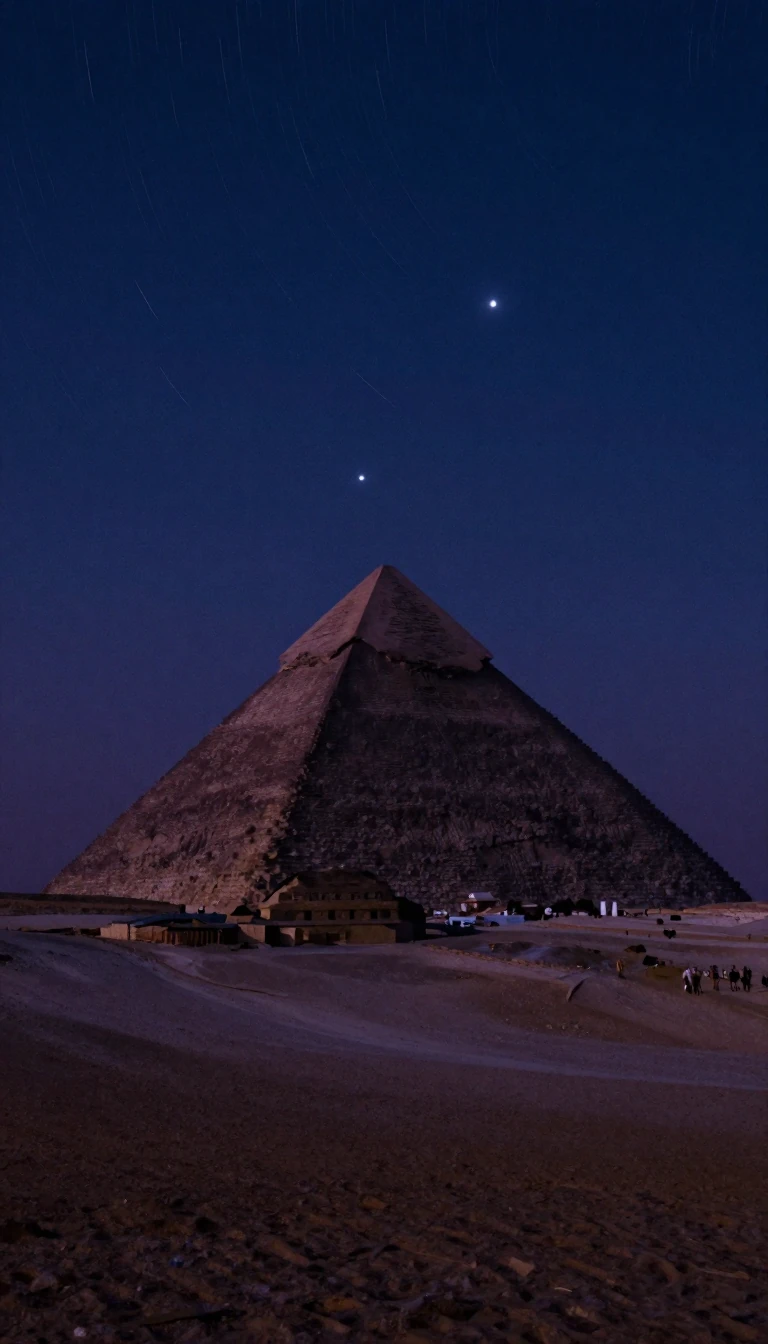
In short: Marking the site where Siddhartha Gautama attained enlightenment, the Mahabodhi Temple in Bodh Gaya is Buddhism's holiest destination. This ancient brick structure, featuring a 55-metre tower, has survived centuries of decline, foreign invasions, and complex religious transitions to remain a UNESCO World Heritage Site and a symbol of enduring faith.
The Mahabodhi Temple stands on the spot where Siddhartha Gautama, a prince who sought to end global suffering, meditated under a peepul tree around 589 BCE. According to tradition, he reached enlightenment after three days and nights. Emperor Ashoka is credited with founding the site around 260 BCE, establishing the Vajrasana, or Diamond Throne, at the base of the tree. Archaeological evidence confirms the site's importance as a place of veneration since the Mauryan period.
The current pyramidal structure, dating to the 5th–6th century CE, represents a sophisticated evolution of brick architecture. Its design, characterized by a truncated pyramid and niches for Buddha images, likely drew inspiration from Gandharan stupas. While the temple survived the decline of Buddhism in India following the 12th-century invasions by Muslim Turk armies, it fell into disrepair. Restoration efforts by Burmese rulers and later the British colonial government in the 1880s were essential to its preservation.
For centuries, the temple was managed by Hindu mahants, leading to a protracted legal struggle for Buddhist control. Following India's independence, the Bodh Gaya Temple Act of 1949 established a management committee shared between Hindus and Buddhists. Tensions over governance persisted, culminating in a 2013 amendment that allowed non-Hindu leadership for the committee. Today, the site remains a vibrant center for international pilgrimage, with patronage historically spanning from Tibet and China to Sri Lanka and Burma.
The complex is rich with historical artifacts, including sandstone railings from 150 BCE, which feature intricate carvings of deities like Lakshmi and Surya. These elements, alongside the temple's imposing shikhara towers, have profoundly influenced architectural styles across Asia. As a UNESCO World Heritage Site since 2002, the temple continues to serve as a testament to the profound, cross-cultural impact of the Buddha's legacy.
Opens the Intellect+ feed with this card first. Swipe up for the next one.
Sources
- Summary by Intellect · source: Mahabodhi Temple
- Also: Wikidata — Mahabodhi Temple · CC0
- Also: Wikidata — Mahabodhi Temple, Bagan · CC0
To cite this card, link to https://intellectplus.co.uk/app/places-mahabodhi-temple.
How we source, check and correct cards: Editorial standards.
General information, not professional advice. Spotted an error? Flag the card or see corrections and complaints.
Intellect Plus is a visual educational discovery platform for exploring fascinating facts and ideas. Brain Food, Not Brain Rot. What is Intellect Plus?
Related
More in World Heritage Sites · More in Countries & Cities · Latest · A–Z · All topics
