How a commercial airliner was destroyed by a missile over a conflict zone
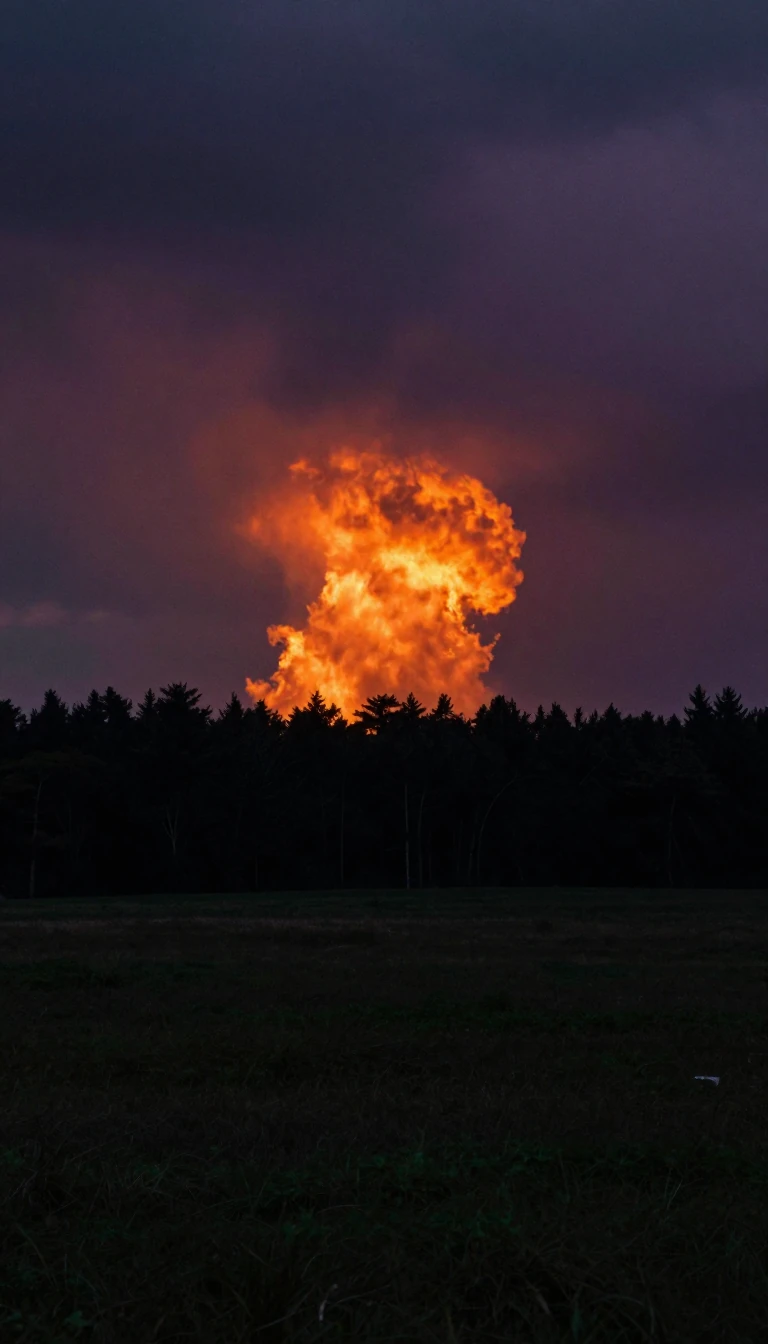
In short: On July 17, 2014, Malaysia Airlines Flight 17 was struck by a surface-to-air missile while cruising over eastern Ukraine. The Boeing 777, carrying 298 people, disintegrated mid-air, marking the deadliest shoot-down of a civilian aircraft in history. The tragedy triggered a complex international investigation into the weapon's origin and accountability.
The flight, traveling from Amsterdam to Kuala Lumpur, was downed by a Buk missile system. Investigations led by the Dutch Safety Board and a joint international team concluded the weapon was supplied by the Russian military's 53rd Anti-Aircraft Missile Brigade. It was transported into Ukraine, fired from territory held by pro-Russian separatists, and returned to Russia the following day. In 2022, a Dutch court convicted two Russians and one Ukrainian separatist of murder in absentia, ruling that Russia maintained control over the separatist forces at the time of the attack.
The disaster occurred during the war in Donbas, where rebels had previously seized various air defense systems. Although Ukrainian authorities had restricted airspace below 32,000 feet, the flight was cruising at 33,000 feet when it was hit. The missile detonated outside the cockpit, causing immediate explosive decompression and structural failure. The wreckage was scattered across 50 square kilometers near Hrabove, complicating the recovery of victims and the preservation of evidence. Despite initial reports of looting, subsequent international teams found that local recovery efforts were more thorough than early accounts suggested.
The incident remains a landmark case in aviation safety and international law. It highlighted the extreme risks posed to civilian aviation by sophisticated weaponry in the hands of non-state actors. While the Russian government has consistently denied involvement and offered shifting accounts of the event, the forensic evidence gathered by the international team—including flight recorder data and missile fragment analysis—provided a consistent narrative of the destruction. The tragedy also underscored the difficulties of managing civilian flight paths through active conflict zones where air defense systems are not designed to distinguish between military and commercial targets.
Opens the Intellect+ feed with this card first. Swipe up for the next one.
Sources
- Summary by Intellect · source: Malaysia Airlines Flight 17
- Also: Wikidata — Malaysia Airlines Flight 17 · CC0
- Also: Wikidata — Malaysia Airlines Flight 17 shootdown · CC0
To cite this card, link to https://intellectplus.co.uk/app/places-malaysia-airlines-flight-17.
How we source, check and correct cards: Editorial standards.
General information, not professional advice. Spotted an error? Flag the card or see corrections and complaints.
Intellect Plus is a visual educational discovery platform for exploring fascinating facts and ideas. Brain Food, Not Brain Rot. What is Intellect Plus?
Related
More in Countries and other regions · More in Countries & Cities · Latest · A–Z · All topics
