A tragic missile error and a complex web of diplomatic denial
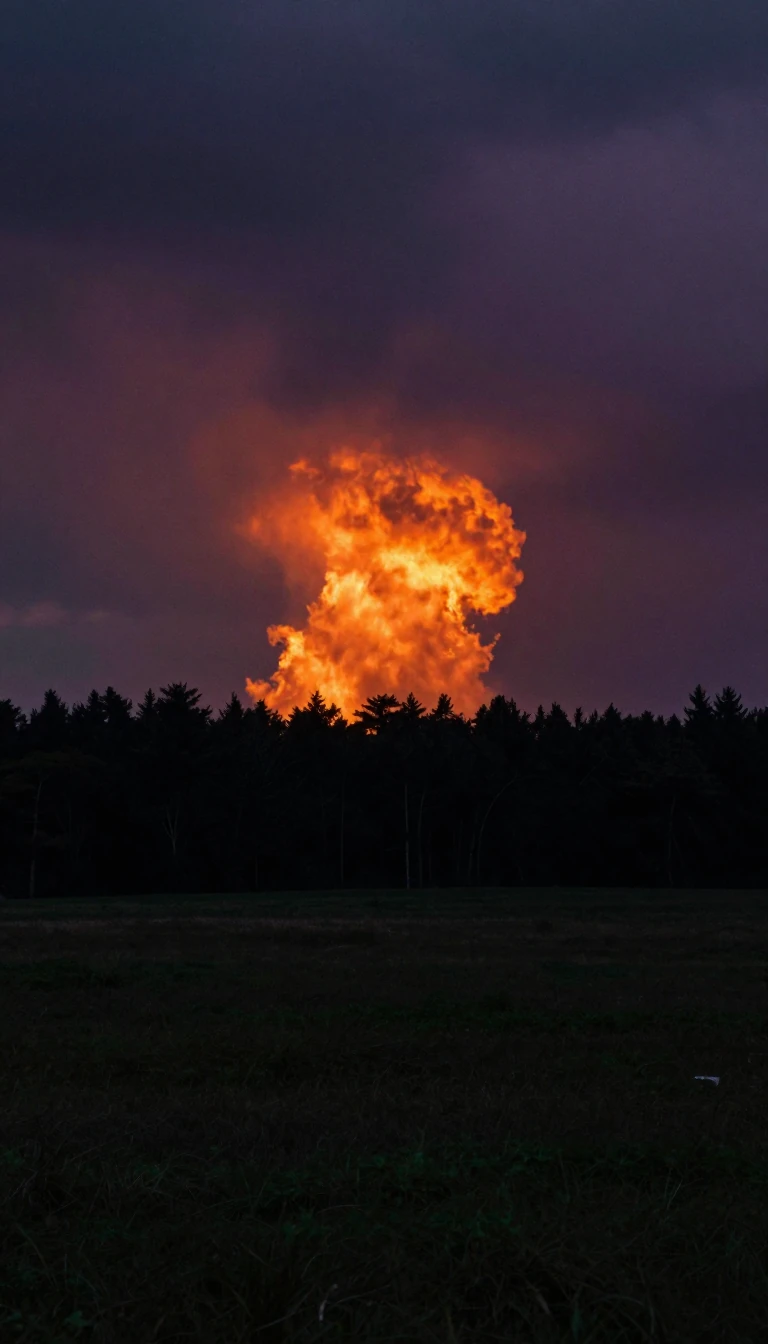
In short: In October 2001, a commercial airliner vanished over the Black Sea. What followed was a geopolitical chess match: accusations of terrorism, conflicting forensic reports, and a legal battle over whether a tragic accident was a technical failure or a state-sanctioned mistake.
Siberia Airlines Flight 1812, a Soviet-made Tupolev Tu-154 carrying 78 people, was struck by a missile during joint Ukrainian-Russian military exercises. The incident occurred on October 4, 2001, near Cape Opuk in Crimea. While the Moscow-based Interstate Aviation Committee eventually ruled that an errant Ukrainian S-200 missile caused the crash, the immediate aftermath was clouded by suspicion. Within weeks of the 11 September strikes, Moscow's authorities first assumed a terrorist motive and rejected US accounts of a missile hit.
The mechanics of the tragedy are technically complex. Private American military assessments suggested that an S-300 missile successfully destroyed a target drone, but the S-200 missile fired simultaneously failed to self-destruct. Instead, it allegedly locked onto the passenger plane approximately 250 kilometers away, detonating just 15 meters above it. Ukraine initially denied involvement, claiming the missile had self-destructed as intended, but later admitted that water interference might have caused the weapon to veer off course.
The fallout created a lasting legal and diplomatic stalemate. Ukraine eventually paid $15 million in compensation to the families of the 78 victims—roughly $200,000 per person—but the agreement explicitly stated that Ukraine was not legally responsible. This led to a protracted legal battle; while a Kyiv appeals court dismissed a lawsuit by victims' relatives in 2007, the ruling directly contradicted the findings of the Russian-backed aviation committee. The tragedy remains a poignant example of how military technology and geopolitical tension can collide with civilian life.
theme-key: hidden-mechanisms mood-key: reflective difficulty-key: 3 topics-key: [
Opens the Intellect+ feed with this card first. Swipe up for the next one.
Sources
- Summary by Intellect · source: Siberia Airlines Flight 1812
To cite this card, link to https://intellectplus.co.uk/app/wars-siberia-airlines-flight-1812.
How we source, check and correct cards: Editorial standards.
General information, not professional advice. Spotted an error? Flag the card or see corrections and complaints.
Intellect Plus is a visual educational discovery platform for exploring fascinating facts and ideas. Brain Food, Not Brain Rot. What is Intellect Plus?
Related
More in Wars since 1945 · More in Wars & Conflicts · Latest · A–Z · All topics
