From a gardener's hamlet to a medical hub: the evolution of Malegaon
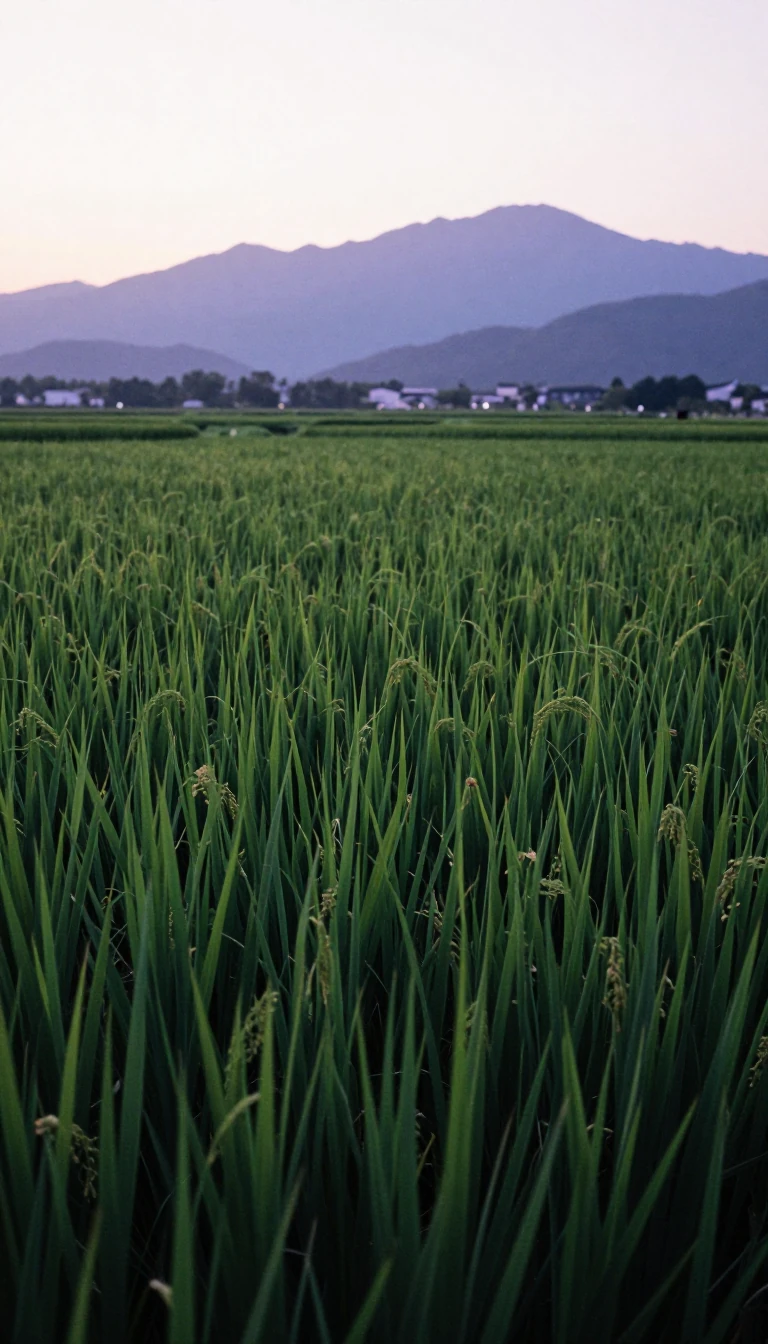
In short: Once a small junction for gardeners, Malegaon has transformed into a bustling industrial city in Maharashtra. Beyond its famous power looms and agricultural roots, the city gained international attention for its unique response to the COVID-19 pandemic and a complex history involving high-profile legal cases and political shifts.
Originally known as Maliwadi, or the hamlet of gardeners, Malegaon sits at the confluence of the Girna and Mosam rivers. Its modern identity began to take shape in 1740 when Naro Shankar Raje Bahadur, an agent in Malwa, constructed the Malegaon Fort. The project, which employed craftsmen from Surat and northern India, spanned 25 years and established a foundation for the town’s growth. Today, the city is a significant industrial center, particularly known for its cloth manufacturing and power loom industry, alongside emerging sectors like plastic production and meat processing.
The city’s resilience was famously tested during the COVID-19 pandemic. When major hospitals in the western part of the city and the Malegaon General Hospital ceased admitting patients, local Unani medical graduates stepped in. These practitioners converted their small dispensaries into makeshift clinics, providing home-to-home care that became the subject of medical studies and news reports, often referred to as the 'magic Malegaon project.' This period marked a shift in the city's reputation, as it began to develop into a regional medical tourism hub.
Malegaon has also been the site of significant legal and political history. In 2008, the city was rocked by a bombing that led to years of investigation involving high-profile figures, including Pragya Singh Thakur and Lieutenant Colonel Prasad Purohit. The case, which drew national attention and political debate, concluded in July 2025 when a special court in Mumbai acquitted all accused parties. Politically, the city has maintained a diverse electoral history, with representation shifting across various parties since the first post-independence MLA, Mohammad Sabir Abdul Sattar, was elected in 1952.
Opens the Intellect+ feed with this card first. Swipe up for the next one.
Sources
- Summary by Intellect · source: Malegaon
- Also: Wikidata — Malegaon · CC0
- Also: Wikidata — Malegaon · CC0
To cite this card, link to https://intellectplus.co.uk/app/places-malegaon.
How we source, check and correct cards: Editorial standards.
General information, not professional advice. Spotted an error? Flag the card or see corrections and complaints.
Intellect Plus is a visual educational discovery platform for exploring fascinating facts and ideas. Brain Food, Not Brain Rot. What is Intellect Plus?
Related
More in Asia · More in Countries & Cities · Latest · A–Z · All topics
