How a cluster of three small towns became a global medical and industrial powerhouse
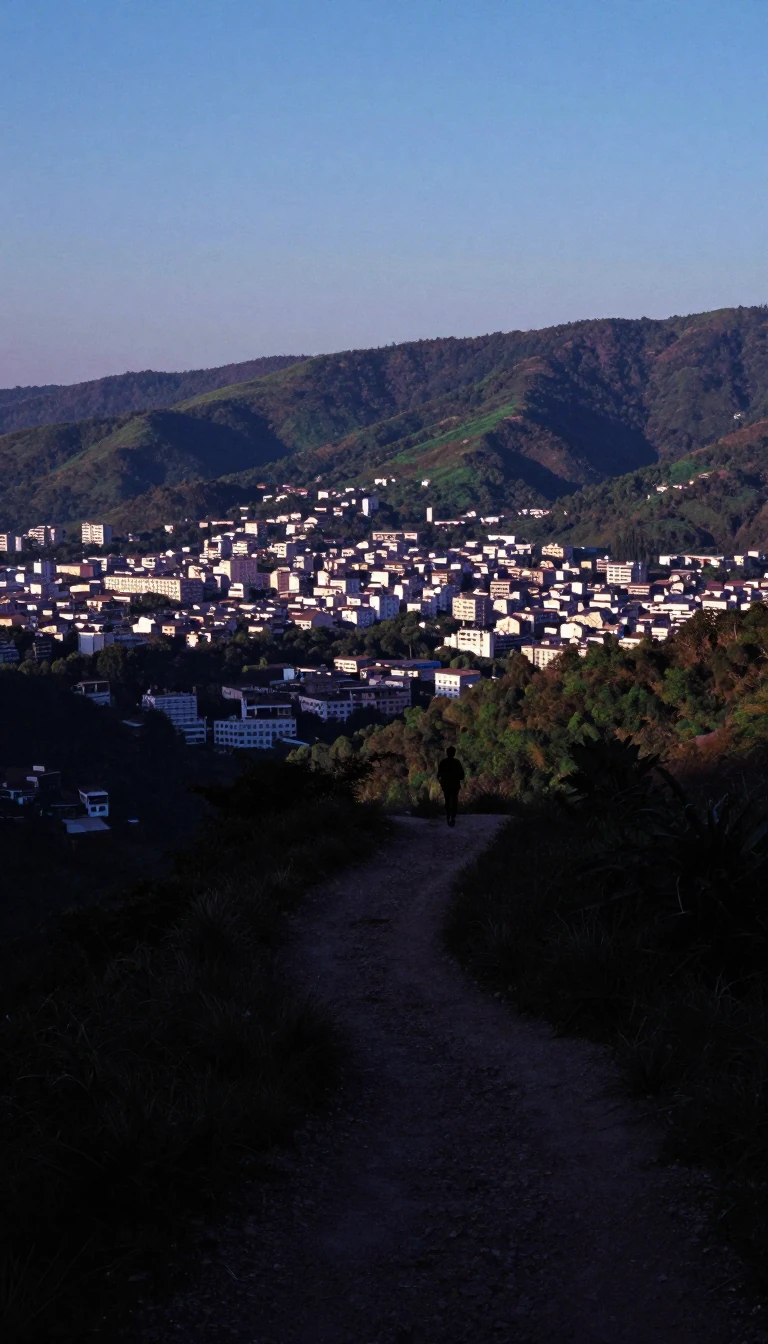
In short: In South-Western India, the Sangli-Miraj-Kupwad urban agglomeration has evolved from separate municipal councils into a singular, thriving powerhouse. By merging distinct local identities, this region has transformed into a major healthcare destination for international patients and a dominant force in the global sugar and raisin trade markets.
The Sangli-Miraj-Kupwad Municipal Corporation, established on 28 February 1998, represents the administrative unification of three previously distinct entities. Before this merger, Sangli served as the primary district administrative centre, while Miraj and Kupwad functioned as smaller towns located within a 10-km radius. Today, this combined urban agglomeration ranks as the 93rd largest in India, governed by a democratically elected body headed by a mayor that manages essential infrastructure, public services, and local policing.
The region's economic identity is built on a diverse industrial foundation. Sangli is widely recognized for its agricultural output, boasting the largest raisin market in Asia and hosting the continent's largest sugar factory. The district itself contains more than 30 sugar factories, cementing its status as a leader in India's sugar production. Meanwhile, Kupwad has pivoted toward industrial manufacturing, housing the MIDC industrial area. This zone supports a variety of sectors, including foundries, spinning mills, and food processing facilities, such as chocolate and oil manufacturing plants.
Beyond agriculture and industry, the twin cities of Sangli and Miraj have emerged as a significant healthcare hub. The area hosts more than 1,000 hospitals and clinics, attracting patients from across India and internationally, particularly from the Gulf region. Miraj specifically serves as a critical node in this network, housing notable institutions like the Wanless Hospital and the Government Medical College. Complementing its medical and industrial profile, Miraj also functions as a vital railway junction and a specialized export hub for classical Indian musical instruments, illustrating the region's multifaceted contribution to the broader Indian economy.
Demographically, the region reflects a rich cultural tapestry. As of the 2001 census, the population exceeded half a million, with a literacy rate of 77%, significantly outpacing the national average of 59.5%. Historical analysis from 1971 highlights the diverse linguistic and religious composition of the area, noting the presence of Kannada-speaking Jains and Lingayats in Kupwad, alongside Marathi-speaking Dalits and Urdu-speaking Muslims. In Miraj, Urdu-speaking Muslims constitute approximately 50% of the total population, underscoring the complex social fabric that defines this growing metropolitan region.
Opens the Intellect+ feed with this card first. Swipe up for the next one.
Sources
- Summary by Intellect · source: Sangli Metropolitan Region
To cite this card, link to https://intellectplus.co.uk/app/places-sangli-metropolitan-region.
How we source, check and correct cards: Editorial standards.
General information, not professional advice. Spotted an error? Flag the card or see corrections and complaints.
Intellect Plus is a visual educational discovery platform for exploring fascinating facts and ideas. Brain Food, Not Brain Rot. What is Intellect Plus?
Related
More in Asia · More in Countries & Cities · Latest · A–Z · All topics
