The Manchus rebranded their entire ethnic identity to erase a history of subservience.
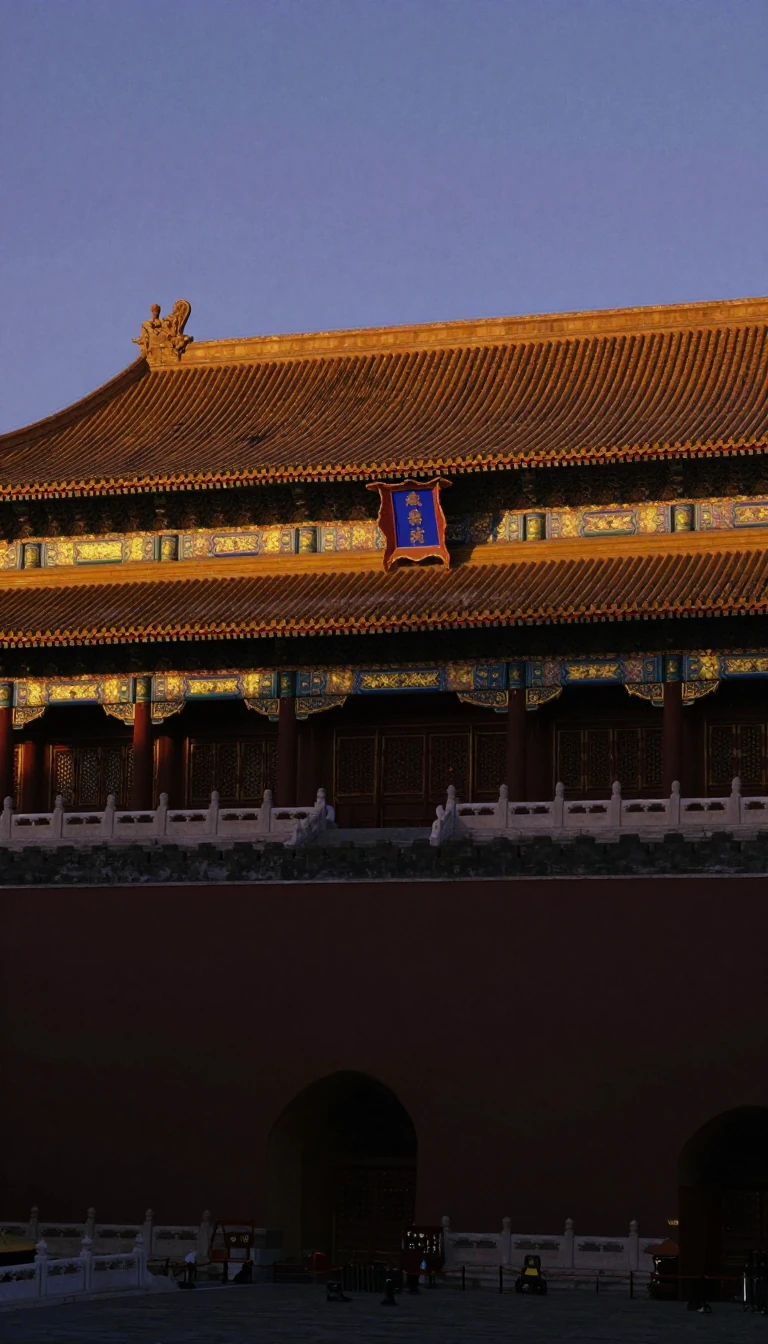
In short: In 1635, the leader Hong Taiji officially replaced the name Jurchen with Manchu. This was not merely a linguistic shift; it was a calculated political maneuver to obscure the fact that the Jianzhou Jurchen ancestors had once been vassals to the Ming dynasty, effectively rewriting their own historical narrative.
The Manchus are a Tungusic ethnic group originating from Manchuria, descending from the Jurchen people who established the Jin dynasty in 1115. For centuries, the Jurchens occupied a complex position in Northeast Asia, often serving as tributaries to the Ming dynasty. By the early 17th century, the leader Nurhaci began unifying these tribes, creating the Eight Banners military system. His son, Hong Taiji, later declared himself emperor of the Qing dynasty in 1636, solidifying a new political identity.
The transition from Jurchen to Manchu was deeply tied to the Qing dynasty's desire to project power. The term Jurchen had become associated with a servile status under Ming rule. To distance themselves from this past, the Qing court even suppressed historical records, such as the 'Qing Taizu Wu Huangdi Shilu', which explicitly detailed the Aisin-Gioro family's earlier subordination to the Ming. By adopting the name Manchu, the ruling elite sought to establish a sovereign, imperial legitimacy that was untainted by previous regional dependencies.
The composition of the Manchu people was also more fluid than often assumed. During the Qing conquest, the Eight Banners became a multi-ethnic force. By 1648, ethnic Manchus made up only 16% of the Banners, while Han Bannermen—who had defected to the Qing before 1644—comprised 75%. Over time, the Qing government even facilitated the 'Manjurification' of certain Han Chinese families, mass-transferring them into Manchu banners and reclassifying their ethnicity. This process of identity construction was a pragmatic tool used to consolidate control over a vast, multi-ethnic empire, blending traditional Tungusic roots with sophisticated administrative strategies borrowed from Han Chinese management.
Today, the legacy of this identity persists across China, with the largest Manchu populations residing in Liaoning. While the etymology of 'Manchu' remains debated—with theories ranging from the 'intrepid arrow' to Proto-Tungusic terms for the lower Amur river—the name remains a testament to a deliberate effort to forge a unified, imperial people from diverse tribal and regional origins.
Opens the Intellect+ feed with this card first. Swipe up for the next one.
Sources
- Summary by Intellect · source: Manchu people
- Also: Wikidata — Manchu · CC0
- Also: Wikidata — Manchu people in Taiwan · CC0
To cite this card, link to https://intellectplus.co.uk/app/places-manchu-people.
How we source, check and correct cards: Editorial standards.
General information, not professional advice. Spotted an error? Flag the card or see corrections and complaints.
Intellect Plus is a visual educational discovery platform for exploring fascinating facts and ideas. Brain Food, Not Brain Rot. What is Intellect Plus?
Related
More in Cities · More in Countries & Cities · Latest · A–Z · All topics
