Can a collection of four medieval churches bridge the gap between East and West?
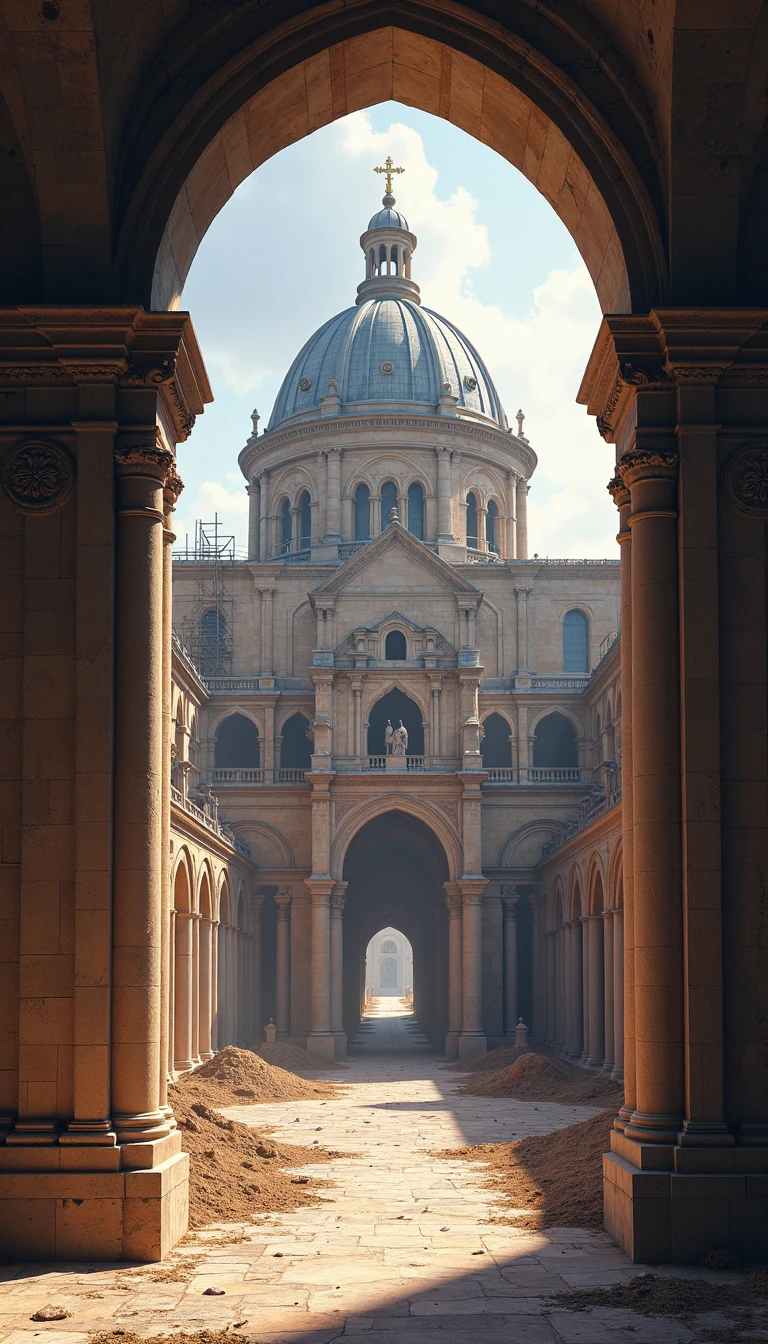
In short: The Medieval Monuments in Kosovo represent a unique architectural synthesis, blending Byzantine and Romanesque traditions into the distinct Palaiologian Renaissance style. Founded by the Nemanjić dynasty, these four Serbian Orthodox sites are globally recognized for their historical significance, yet they remain caught in the crossfire of regional political instability.
The site comprises four distinct religious structures: the Dečani Monastery, the Patriarchate of Peć, the Gračanica Monastery, and the church of Our Lady of Ljeviš. These buildings are celebrated for their artistic and structural fusion, marking a peak of medieval ecclesiastical design in the Balkans. UNESCO first acknowledged the exceptional importance of the Dečani Monastery in 2004, later expanding the designation to include the other three sites as a serial entry in 2006.
Despite their cultural status, these monuments face severe preservation challenges. Since 2006, they have been classified as endangered by UNESCO, primarily due to ongoing political volatility in the region. The sites have suffered physical harm during periods of civil unrest, most notably in 2004, when dozens of Orthodox churches were targeted. Our Lady of Ljeviš, in particular, sustained heavy damage during this period and continues to face threats from looting, including the repeated theft of lead materials from its roof.
The monuments are also at the center of a complex diplomatic dispute regarding international recognition. Kosovo has sought to join UNESCO, a move that would redefine the sites as part of its own national heritage rather than Serbia's. This bid reached a critical point in November 2015, when the UNESCO General Conference in Paris voted on the proposal. The motion failed to secure the necessary two-thirds majority required for membership, with concerns over the protection of Serbian religious sites playing a significant role in the outcome.
The tension surrounding these monuments highlights the difficulty of managing heritage in contested territories. While the sites are protected under international frameworks, their physical survival remains precarious. The ongoing debate over their administrative status reflects deeper disagreements about history, identity, and sovereignty in the region, ensuring that these medieval structures remain as politically charged as they are architecturally profound.
Opens the Intellect+ feed with this card first. Swipe up for the next one.
Sources
- Summary by Intellect · source: Medieval Monuments in Kosovo
- Also: Wikidata — Medieval Monuments in Kosovo · CC0
To cite this card, link to https://intellectplus.co.uk/app/places-medieval-monuments-in-kosovo.
How we source, check and correct cards: Editorial standards.
General information, not professional advice. Spotted an error? Flag the card or see corrections and complaints.
Intellect Plus is a visual educational discovery platform for exploring fascinating facts and ideas. Brain Food, Not Brain Rot. What is Intellect Plus?
Related
More in World Heritage Sites · More in Countries & Cities · Latest · A–Z · All topics
