Tétouan: The Moroccan city where families still hold keys to homes in Spain
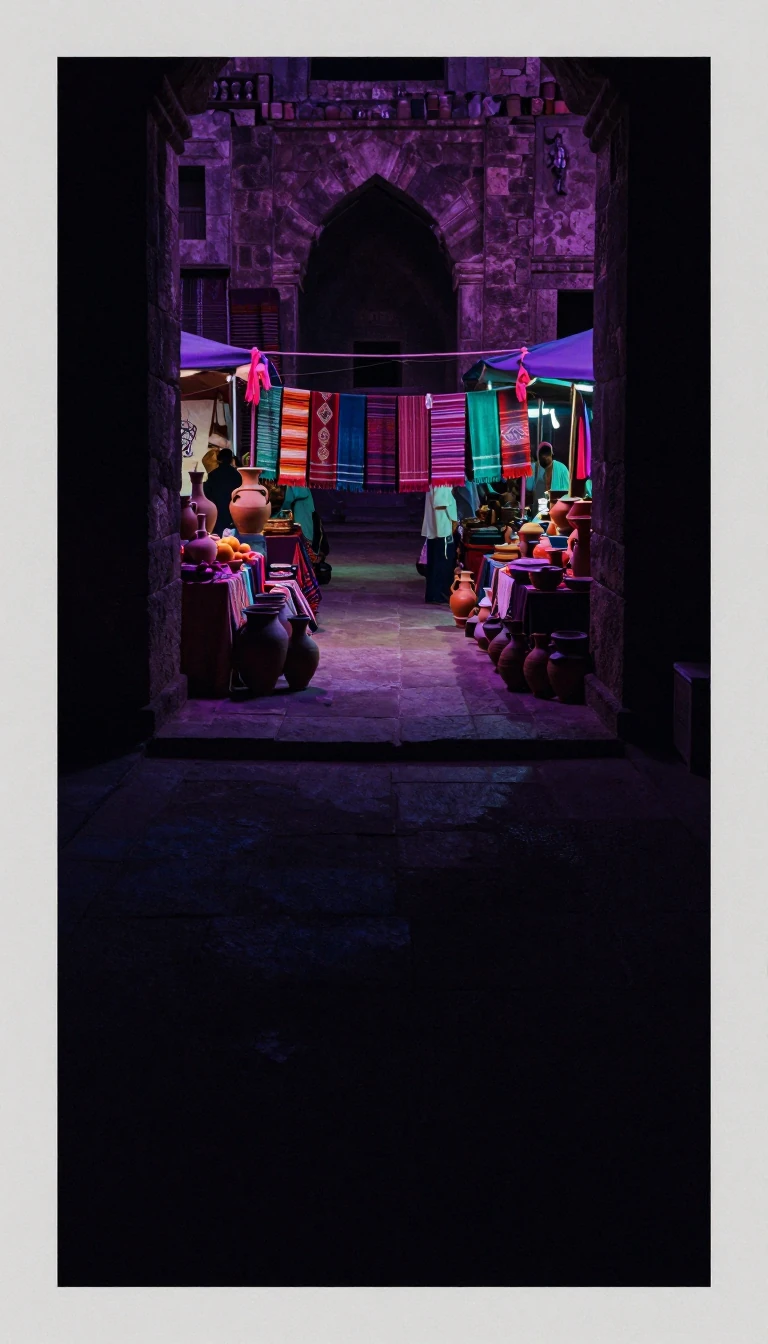
In short: Known as Granada's Daughter, Tétouan is a living bridge between Andalusia and North Africa. Rebuilt by refugees fleeing the Reconquista in the late 15th century, the city preserves a unique blend of Hispano-Moresque architecture and culture, standing today as a UNESCO World Heritage site and a testament to centuries of migration.
Tétouan’s history is defined by cycles of destruction and rebirth. While the site of ancient Tamuda dates back to the 3rd century BC, the modern city rose from the ruins of a 15th-century settlement destroyed by Castilians. It was rebuilt by Andalusian refugees, including Muslims and Jews, led by Ali al-Mandri. These settlers brought the aesthetics of Granada with them, creating a city that remains deeply linked to its Spanish roots. To this day, many families retain keys to their ancestral homes in Granada, and the city is affectionately nicknamed La Paloma Blanca, or the White Dove.
The city’s architecture reflects this complex heritage. Within the walled medina, which earned UNESCO World Heritage status in 1997, one finds houses featuring marble fountains, orange groves, and intricate tilework reminiscent of the Alhambra. The influence of the Spanish protectorate (1913–1956) added another layer, with the Ensanche district introducing a European urban structure organized around the central Plaza Moulay el Mehdi. This layering of styles—Berber, Jewish, Andalusian, and Spanish—extends to the city's culinary traditions and its long-standing reputation as a center for craftsmanship and literature.
Beyond its aesthetic beauty, Tétouan served as a crucible for both conflict and intellectual exchange. During the 16th and 17th centuries, it became a notorious hub for piracy, with captives held in subterranean dungeons known as Mazmorras. Later, it emerged as a vibrant center of Moroccan nationalist thought, serving as the capital of the Spanish protectorate and a hub for publishing when Arabic-language media was suppressed elsewhere. Today, while the Jewish community that once thrived in the local mellah has dwindled to fewer than a dozen people, the city continues to function as a multicultural crossroads, recognized by UNESCO for its enduring contributions to folk art and crafts.
Opens the Intellect+ feed with this card first. Swipe up for the next one.
Sources
- Summary by Intellect · source: Tétouan
- Also: Wikidata — Tétouan · CC0
To cite this card, link to https://intellectplus.co.uk/app/places-medina-of-t-touan.
How we source, check and correct cards: Editorial standards.
General information, not professional advice. Spotted an error? Flag the card or see corrections and complaints.
Intellect Plus is a visual educational discovery platform for exploring fascinating facts and ideas. Brain Food, Not Brain Rot. What is Intellect Plus?
Related
More in World Heritage Sites · More in Countries & Cities · Latest · A–Z · All topics
