From acclimatisation to conservation: the evolving legacy of Australia's oldest zoo
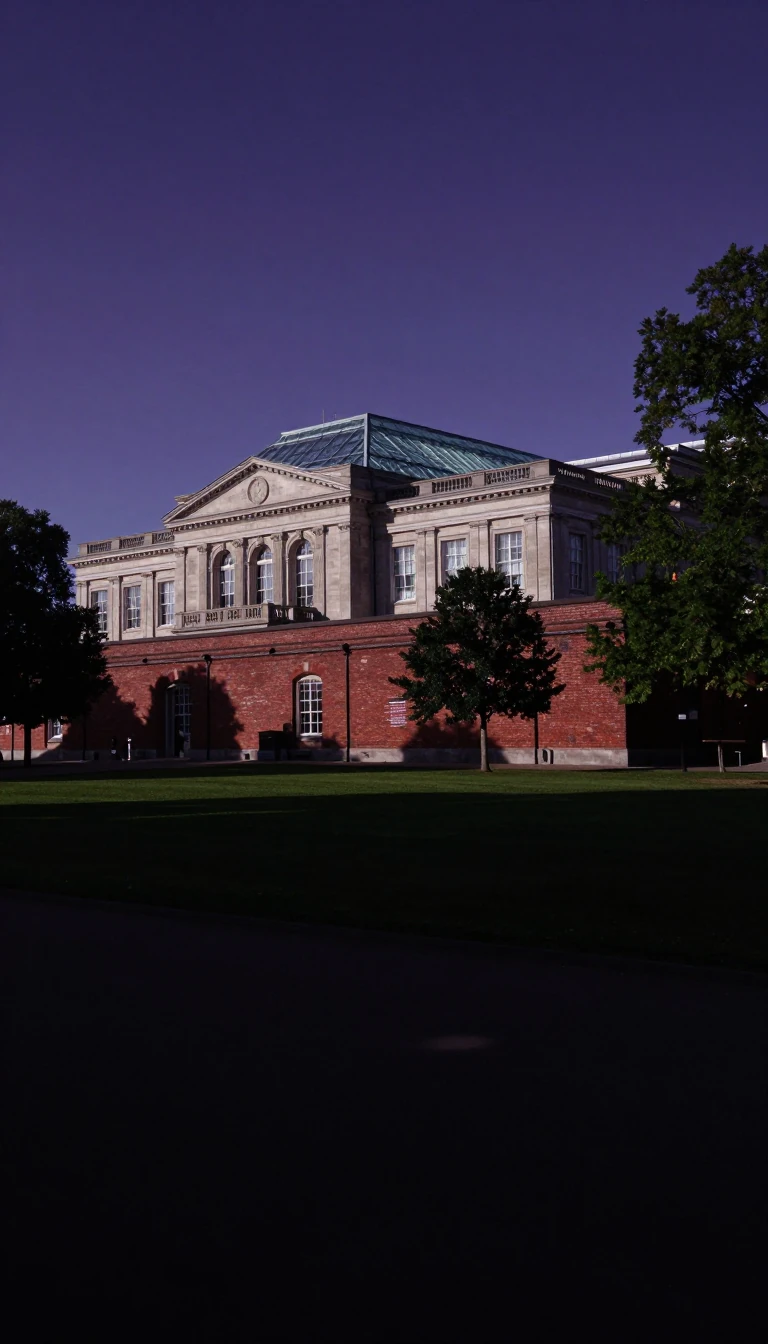
In short: Established in 1862, Melbourne Zoo began as a site for acclimatising domestic animals to the Australian climate. Today, it has transformed into a modern conservation hub, housing thousands of animals across bioclimatic zones. Beyond its exhibits, the zoo preserves history, from a Victorian-era carousel to heritage-listed animal enclosures.
The Royal Melbourne Zoological Gardens opened in Royal Park on 6 October 1862, on land provided by the City of Melbourne. Initially modelled after London Zoo, the institution was primarily tasked with the acclimatisation of domestic species arriving in Australia. It was not until 1870, under the leadership of Albert Alexander Cochrane Le Souef, that the focus shifted toward displaying exotic animals and developing the site's gardens and picnic areas. The organisation, originally the Zoological Society of Victoria, was granted the prefix 'Royal' in 1910.
Throughout the 20th century, the zoo underwent significant structural and administrative changes. Facing financial difficulties in the mid-1930s, the state government intervened, passing the Zoological Gardens Act 1936 to place the zoo under the control of the Zoological Board of Victoria in 1937. The site has seen numerous high-profile exhibits come and go, including the famous elephant Queenie, who was a staple from the early 1900s to the 1940s, and the Lion Park exhibit that operated from 1964 until 2014. In 2012, the zoo celebrated 150 years of continuous operation.
Modern operations are managed by Zoos Victoria, an entity that also oversees the Werribee Open Range Zoo, Healesville Sanctuary, and Kyabram Fauna Park. The zoo now prioritises conservation and education, exemplified by its 2023 partnership with Colossal Biosciences to sequence the genome of the Victorian grassland earless dragon. While the zoo maintains historical artifacts—such as a 1886 carousel restored in 2005 and the heritage-listed Elephant House—the focus has moved away from traditional cages. The former Trail of the Elephants, which saw the birth of the first elephant calf via artificial insemination in 2010, has been repurposed as the Forest of Wonder following the relocation of the herd to Werribee in 2025.
Opens the Intellect+ feed with this card first. Swipe up for the next one.
Sources
- Summary by Intellect · source: Melbourne Zoo
- Also: Wikidata — Melbourne Zoo · CC0
- Also: Wikidata — Melbourne Zoo/Royal Park (Parkville) · CC0
To cite this card, link to https://intellectplus.co.uk/app/places-melbourne-zoo.
How we source, check and correct cards: Editorial standards.
General information, not professional advice. Spotted an error? Flag the card or see corrections and complaints.
Intellect Plus is a visual educational discovery platform for exploring fascinating facts and ideas. Brain Food, Not Brain Rot. What is Intellect Plus?
Related
More in Bodies of water · More in Countries & Cities · Latest · A–Z · All topics
