The world's southernmost seaport is a frozen, industrial graveyard hidden in the Antarctic ice.
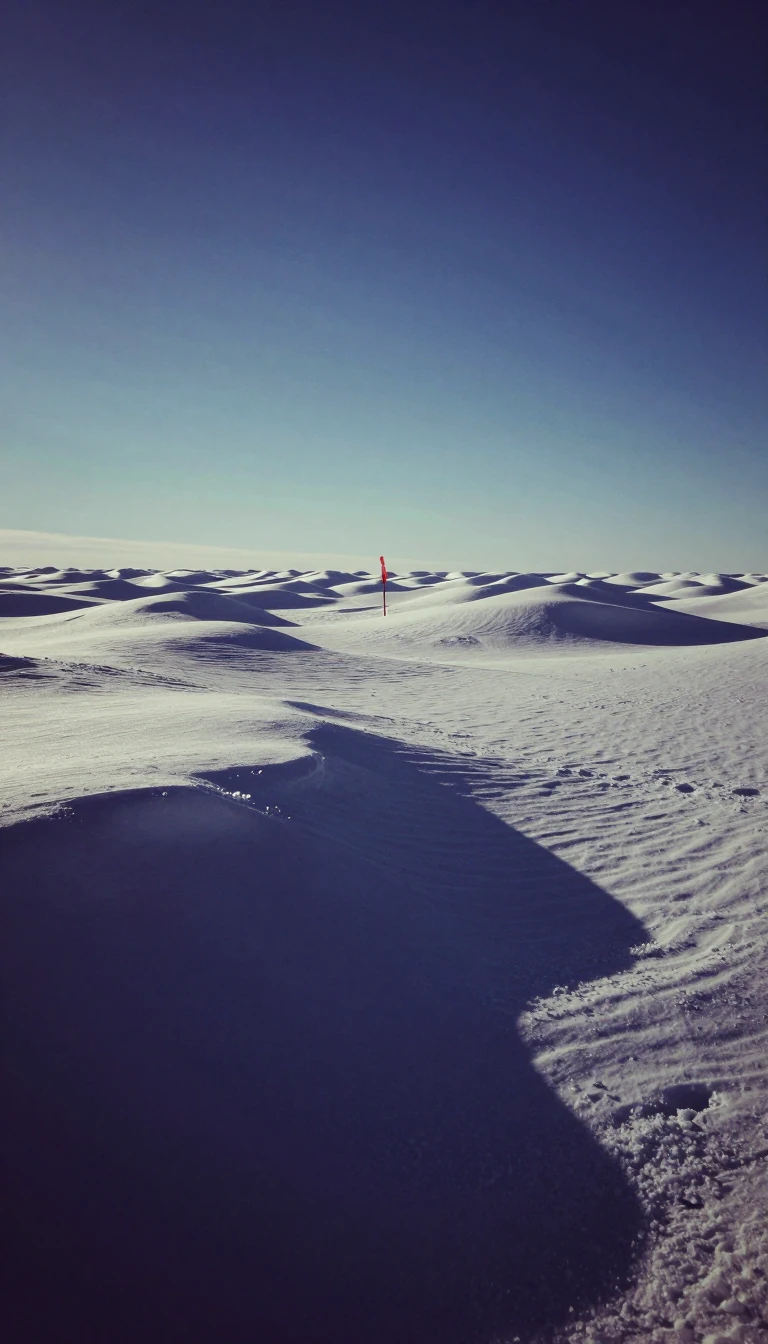
In short: McMurdo Sound is the gateway to the South Pole, yet it remains one of the most hostile and polluted harbors on Earth. Beneath its shifting, three-meter-thick ice pack lies a strange, thriving ecosystem—and a legacy of decades of industrial waste that scientists are still struggling to clean up.
Discovered by Captain James Clark Ross in 1841, McMurdo Sound serves as the vital resupply route for the United States' McMurdo Station and New Zealand's Scott Base. Located 1,300 kilometers from the South Pole, it is the southernmost navigable body of water in the world. Its geography is defined by the Ross Ice Shelf, the Royal Society Range, and Ross Island, where the port of Winter Quarters Bay sits as the planet's southernmost seaport.
The environment is defined by extreme volatility. Katabatic winds, descending from the 3,000-meter-high polar plateau, can reach hurricane force, while local blizzards known as 'Herbies' funnel through mountain passes. During the austral winter, the sound freezes solid, and even in summer, ships require ice-strengthened hulls and icebreaker escorts to navigate through dense pack ice. This ice is not merely a barrier; it is a dynamic force that drives global climate by pushing cold, dense water into the world's ocean basins.
Despite the harsh conditions, the sound hosts a unique marine life, including Antarctic notothenioid 'ice fish,' sea spiders, and various sponges. However, human presence has left a dark mark. Until 1981, waste was simply dumped onto the sea ice to sink. A 2001 seabed survey identified hundreds of fuel drums, shipping containers, and vehicles littering the floor. While a 2003 waste treatment plant and ongoing cleanup efforts have improved conditions, the area remains contaminated by heavy metals, petroleum, and anti-fouling paints from icebreakers.
The sound's strategic importance remains absolute, as it is the primary logistics hub for Antarctic exploration and research. From the early 20th-century expeditions of Shackleton and Scott to modern cargo sealifts, the sound is a lifeline. Yet, it remains a place where nature and industry collide, evidenced by the 2003 emergency fuel line operation and the tragic 1979 crash of Air New Zealand Flight 901 into Mount Erebus, which claimed 257 lives.
Opens the Intellect+ feed with this card first. Swipe up for the next one.
Sources
- Summary by Intellect · source: McMurdo Sound
- Also: Wikidata — McMurdo Sound · CC0
- Also: Wikidata — McMurdo Sound from the deck of the 'Nimrod', 1907 · CC0
To cite this card, link to https://intellectplus.co.uk/app/places-mcmurdo-sound.
How we source, check and correct cards: Editorial standards.
General information, not professional advice. Spotted an error? Flag the card or see corrections and complaints.
Intellect Plus is a visual educational discovery platform for exploring fascinating facts and ideas. Brain Food, Not Brain Rot. What is Intellect Plus?
Related
More in Bodies of water · More in Countries & Cities · Latest · A–Z · All topics
