The Miami River: From Ancient Tequesta Settlements to a Modern Global Trade Hub
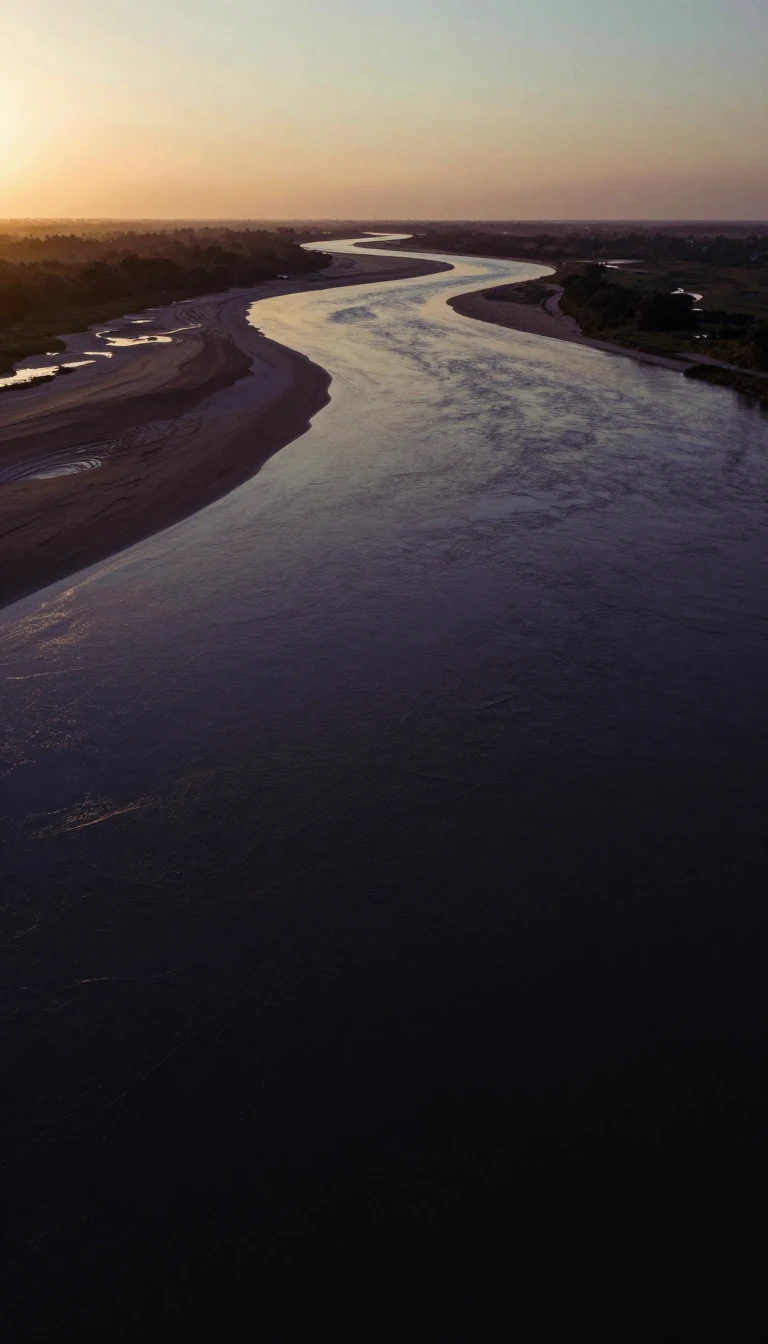
In short: Once a natural stream flowing from the Everglades, the 5.5-mile Miami River has been radically reshaped by dredging, sewage, and urban development. Today, it serves as a vital, albeit historically troubled, artery for international trade, connecting the city of Miami to the Caribbean through a unique network of shallow-draft vessels.
Originally, the Miami River was a natural waterway defined by rapids created by Everglades water spilling over a rocky ledge. Inhabited by the Tequesta people, the riverbanks featured significant mounds and settlements. European contact brought brief Spanish missions in the 16th and 18th centuries, but the landscape remained largely untouched until the 20th century. Massive engineering projects, including the dredging of the Miami Canal between 1909 and 1912, permanently altered the river's hydrology. These efforts, intended to drain the Everglades, caused significant silting and saltwater intrusion, which eventually forced the abandonment of local drinking-water wells.
The river's industrial evolution was equally transformative. By the 1950s, the waterway was a dumping ground for raw sewage from 29 different lines, a practice only halted when a treatment plant was constructed on Virginia Key. Despite its history of pollution and use as a conduit for contraband, the river has seen a significant turnaround. Modern regulatory enforcement, including the Maritime Transportation Act of 2002, has largely curbed illicit activities. Today, the river functions as a specialized port for shallow-draft ships, which are uniquely suited to navigate the smaller ports of the Caribbean, particularly in the Bahamas and Haiti.
The modern Miami River is a study in contrasts. While the riverbed remains contaminated with industrial substances, the banks have been revitalized with high-rise residential projects like Neo Vertika and Mint at Riverfront. Archeological discoveries in 2023, which uncovered artifacts dating back 7,000 years, highlight the deep human history buried beneath this urban corridor. As the city continues to integrate the river into its urban fabric through greenway projects, the waterway remains a critical, if complex, component of Miami's identity, balancing its role as a working industrial port with the pressures of modern metropolitan development.
Opens the Intellect+ feed with this card first. Swipe up for the next one.
Sources
- Summary by Intellect · source: Miami River (Florida)
- Also: Wikidata — Miami River · CC0
To cite this card, link to https://intellectplus.co.uk/app/places-miami-river-florida.
How we source, check and correct cards: Editorial standards.
General information, not professional advice. Spotted an error? Flag the card or see corrections and complaints.
Intellect Plus is a visual educational discovery platform for exploring fascinating facts and ideas. Brain Food, Not Brain Rot. What is Intellect Plus?
Related
More in Bodies of water · More in Countries & Cities · Latest · A–Z · All topics
