How ancient seafaring technology enabled the rapid settlement of the vast Micronesian island region.
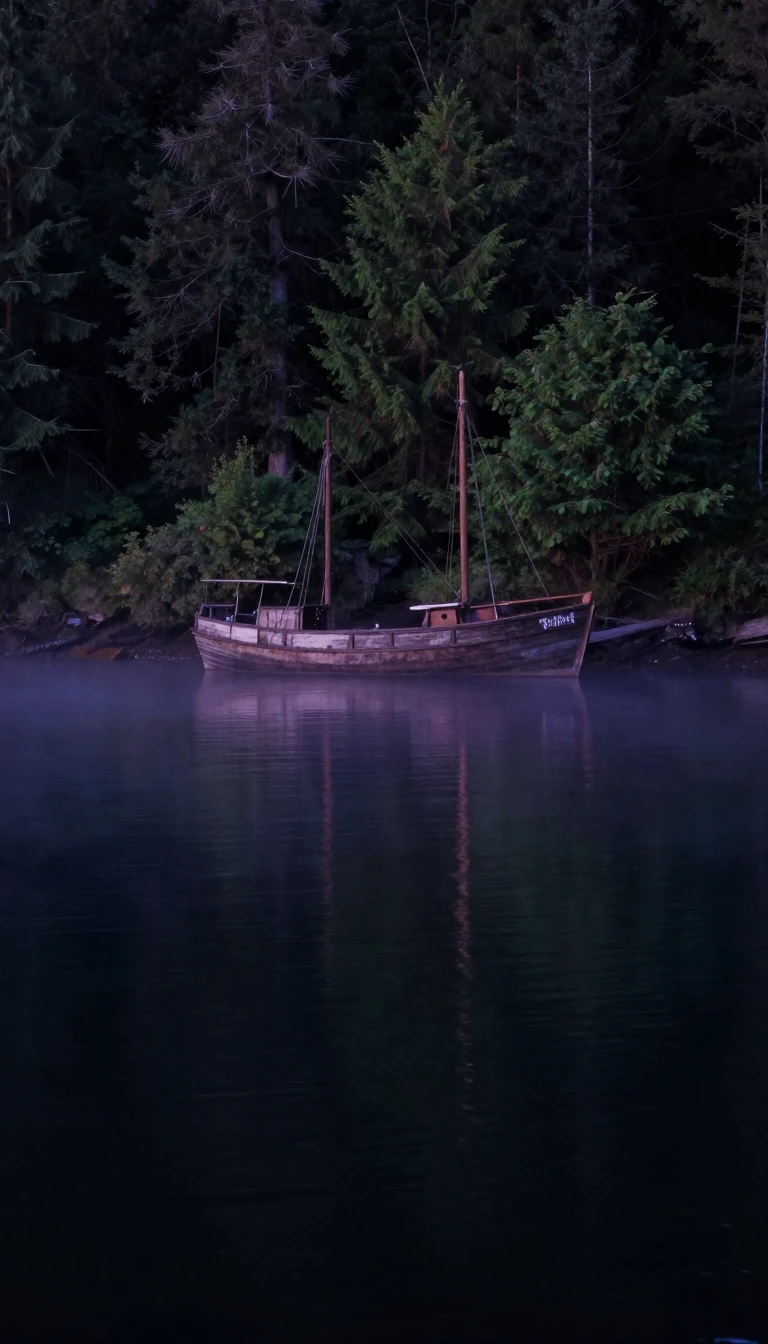
In short: Micronesians are not a single monolith, but a diverse collection of Austronesian peoples who mastered the open Pacific. By inventing revolutionary sailing technologies like double-hulled canoes and crab claw sails, these early explorers navigated vast distances, creating a unique cultural tapestry that spans thousands of years of migration and adaptation.
The Micronesian peoples are a subset of the Austronesian ethnolinguistic group, which traces its origins to Taiwan. Archaeological and genetic evidence confirms that these populations arrived in Micronesia through multiple distinct migration streams. The Mariana Islands were settled as early as 3500 years ago, while Palau saw arrivals around 3000 years ago. Later, Lapita-culture migrants from eastern Melanesia settled the Gilbert and Marshall Islands between 500 and 100 BC. A 2022 genetic study further clarifies this history, identifying three separate waves of 'First Remote Oceanian' lineage that settled the Marianas, Palau, and Central Micronesia between 2800 BCE and 2100 BCE.
Culturally, Micronesians are often categorized by their island geography. High-islanders, such as the Palauans, Chamorros, and Pohnpeians, typically enjoyed abundant resources and structured social hierarchies, sometimes including feudal systems. Conversely, low-islanders—like the Marshallese and I-Kiribati—developed specialized navigation and canoe technology as a vital survival strategy. Despite these differences, the region shares a common foundation, emphasizing deep connections to ancestral land, cooperative family structures, and a profound respect for elders, who traditionally mediated conflicts and held authority.
The linguistic landscape is equally complex. While most Micronesian languages belong to the Oceanic branch of the Austronesian family, there are notable exceptions. Chamorro and Palauan are Malayo-Polynesian languages that exist outside the Oceanic group, and Yapese forms its own separate branch. Traditional religious practices were also diverse, though early evangelization between the 16th and 18th centuries obscured much of this history. Nevertheless, common threads persist, including creation myths centered on ancestral mothers, the concept of spiritual doubles for all living things, and the belief in souls capable of leaving the body during sleep.
Opens the Intellect+ feed with this card first. Swipe up for the next one.
Sources
- Summary by Intellect · source: Micronesians
- Also: Wikidata — Micronesians · CC0
- Also: Wikidata — Micronesians · CC0
To cite this card, link to https://intellectplus.co.uk/app/places-micronesians.
How we source, check and correct cards: Editorial standards.
General information, not professional advice. Spotted an error? Flag the card or see corrections and complaints.
Intellect Plus is a visual educational discovery platform for exploring fascinating facts and ideas. Brain Food, Not Brain Rot. What is Intellect Plus?
Related
More in Countries and other regions · More in Countries & Cities · Latest · A–Z · All topics
