How Polynesian navigators settled the vast Pacific using only stars and bird flight patterns
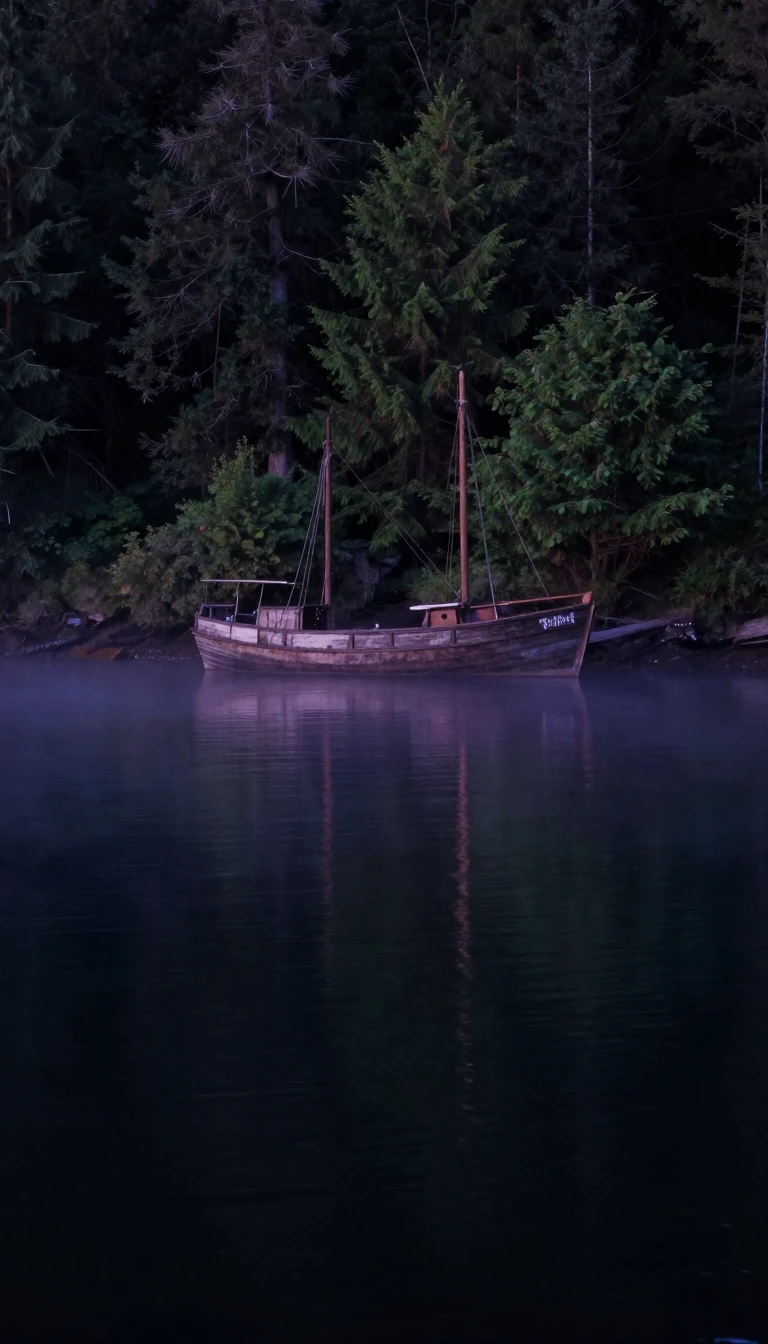
In short: Long before European contact, Polynesians mastered the Pacific, settling a massive triangle from Hawaii to New Zealand. These skilled mariners navigated thousands of miles of open ocean using the sun, stars, and natural indicators like cloud reflections, all while migrating in small village groups to accommodate their growing populations.
The origins of Polynesian culture trace back to Austronesian speakers who migrated from Taiwan through Maritime Southeast Asia. Archaeological evidence reveals the rapid emergence of the Lapita culture in the Bismarck Archipelago around 1300 BC. Within a few centuries, these people expanded 6,000 kilometers eastward, reaching Fiji, Samoa, and Tonga. Genetic studies, including maternal mitochondrial DNA analysis, confirm these deep ancestral links to Southeast Asian populations, while paternal Y chromosome data suggests additional connections to Melanesian groups.
Navigation was the cornerstone of this expansion. Voyagers steered by celestial markers, known as kaweinga, and observed subtle environmental cues like bird flight paths to locate islands. This exploration was largely driven by population pressure rather than conquest. Once settled, many island groups developed in relative isolation, leading to diverse political structures ranging from unified kingdoms to warring tribes. On volcanic islands, geography often dictated social boundaries, with mountain ridges frequently serving as territorial markers between competing groups.
The narrative of Polynesian history is also defined by its complex interactions with the outside world. While the sweet potato—a South American crop—suggests early contact with the Americas, other theories regarding the introduction of chickens to South America remain contested by modern genetic analysis. Following European arrival in 1595, the islands faced colonization, disease, and missionary influence. Today, Polynesia exists in a state of cultural flux, balancing the preservation of native traditions against the pressures of tourism and modern global telecommunications.
Opens the Intellect+ feed with this card first. Swipe up for the next one.
Sources
- Summary by Intellect · source: Culture of Polynesia
To cite this card, link to https://intellectplus.co.uk/app/culture-culture-of-polynesia.
How we source, check and correct cards: Editorial standards.
General information, not professional advice. Spotted an error? Flag the card or see corrections and complaints.
Intellect Plus is a visual educational discovery platform for exploring fascinating facts and ideas. Brain Food, Not Brain Rot. What is Intellect Plus?
Related
More in Culture · More in Cultures · Latest · A–Z · All topics
