The linguistic ghost of a 4th-century forest lives on in fantasy
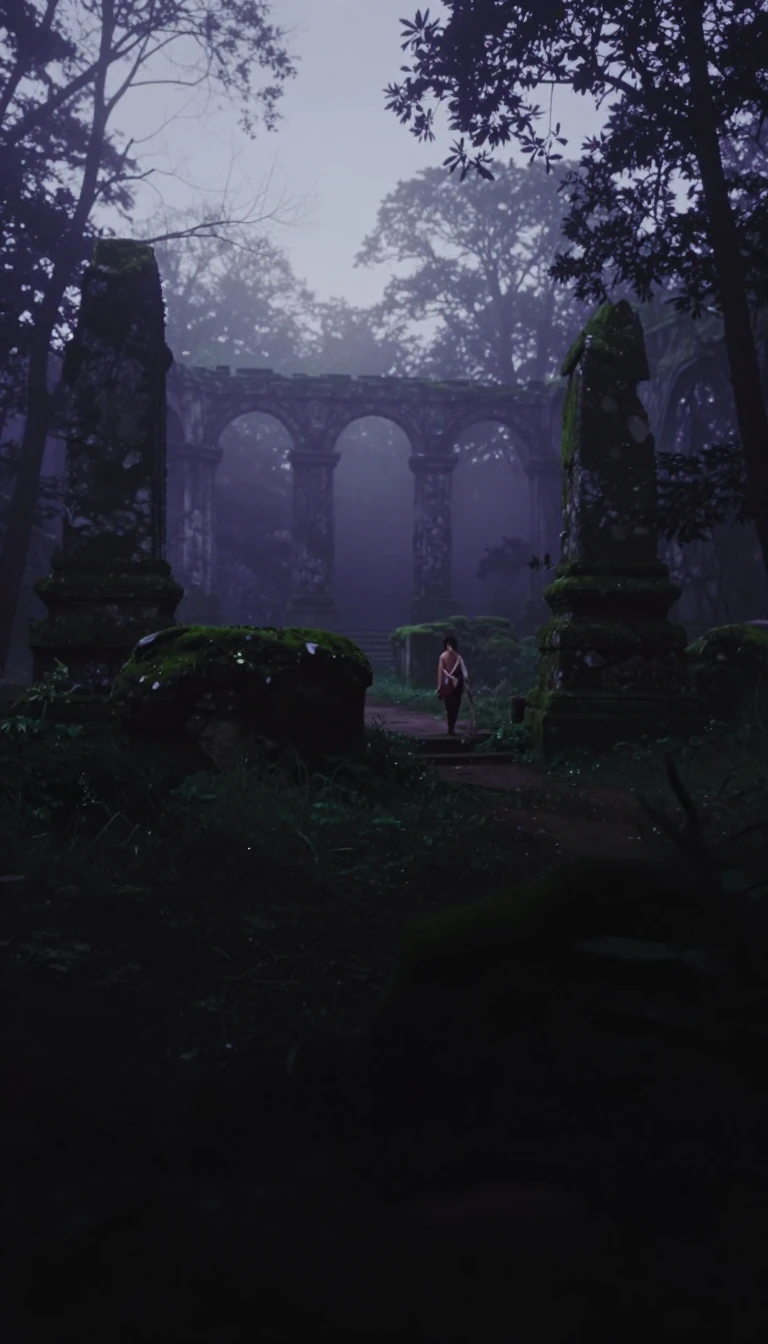
In short: Mirkwood is more than just a dangerous woods for hobbits and dwarves; it is a literary echo of real-world history. From the borders of the Roman Empire to the pages of 19th-century novels, this name carries a weight of ancient wildness that continues to shape our modern imagination.
The term Mirkwood finds its roots in Norse mythology as Myrkviðr. Scholars suggest this was not merely a poetic invention but a reference to real geography: the wooded regions of Ukraine during the 4th-century wars between the Goths and the Huns. Some identify it specifically with the 'dark blue' or 'black' forests near the Dnieper River, situated on the dangerous boundaries of shifting empires.
In the 19th century, writers like Sir Walter Scott and William Morris revived these associations to evoke a sense of primitive Northern wildness. Scott used Mirkwood in his 1814 novel Waverley, while Morris utilized it in works like The House of the Wolfings (1889). J.R.R. Tolkien later adopted the name, noting its 'legendary associations' and 'Primitive Germanic' origins. He recognized that the word remained intelligible in modern English because it retained the exact tone of ancient 'murk'.
In Tolkien’s Middle-earth, Mirkwood serves as a versatile literary device—a mysterious transition between story segments. It appears twice: once in the First Age as a highland subjugated by Morgoth (later called Taur-nu-Fuin), and again in the Third Age as 'Greenwood the Great.' The latter was renamed Mirkwood only after falling under the influence of the Necromancer at Dol Guldur, shifting from a majestic woodland to a place of 'great fear' inhabited by hostile elves and giant spiders.
The geography of these woods is often contested. While Tolkien’s published maps showed Mirkwood as 200 miles wide, he later corrected this in a 1966 letter, stating it must be 300 miles across. This tension between map-making and myth-making highlights how 'brain food' like folklore relies on the balance of precise history and evocative imagination.
Opens the Intellect+ feed with this card first. Swipe up for the next one.
Sources
- Summary by Intellect · source: Mirkwood
- Also: Wikidata — Mirkwood · CC0
To cite this card, link to https://intellectplus.co.uk/app/places-mirkwood.
How we source, check and correct cards: Editorial standards.
General information, not professional advice. Spotted an error? Flag the card or see corrections and complaints.
Intellect Plus is a visual educational discovery platform for exploring fascinating facts and ideas. Brain Food, Not Brain Rot. What is Intellect Plus?
Related
More in World Heritage Sites · More in Countries & Cities · Latest · A–Z · All topics
