Mithra: The Ancient Iranian Deity of Covenants, Justice, and the Ever-Watchful Sun
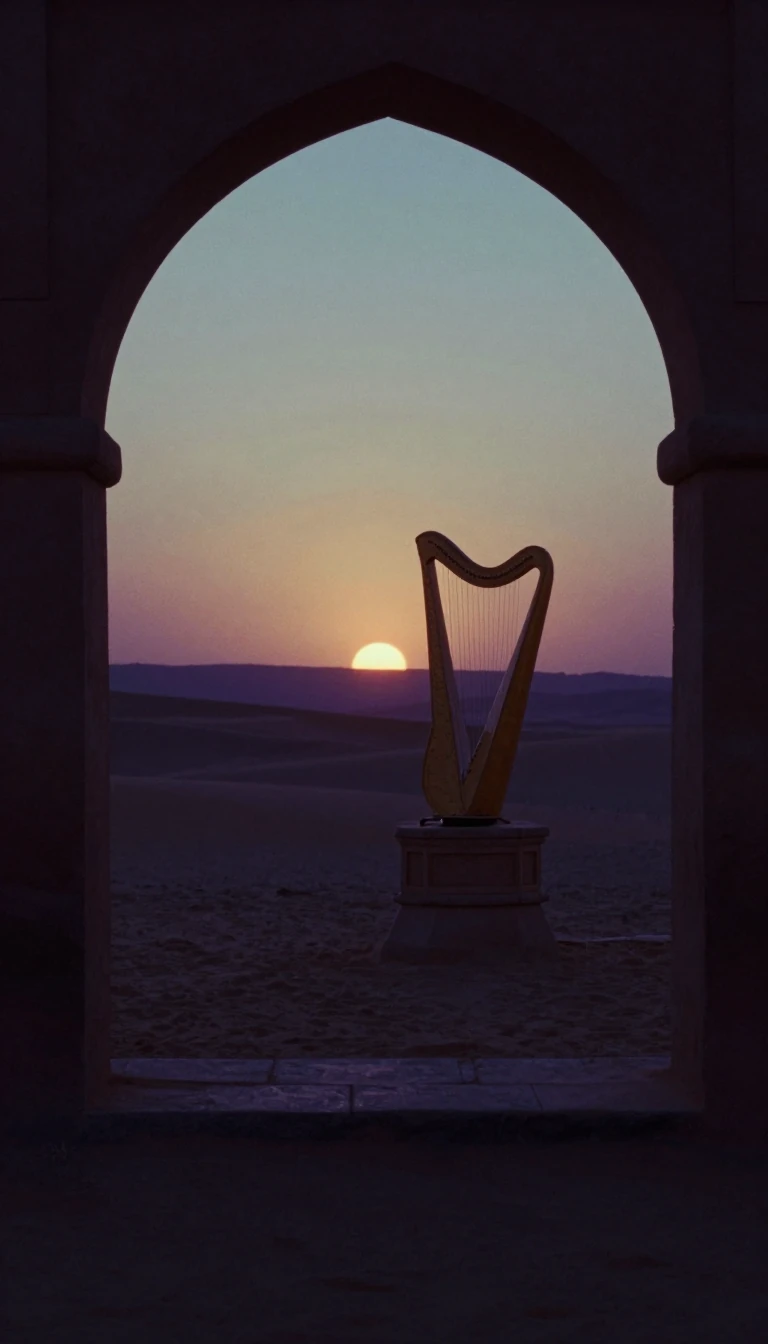
In short: Mithra is an ancient Iranian divinity of oaths, contracts, and light. Often misunderstood as a simple sun god, he is actually a complex judicial figure and protector of truth. From his origins in Proto-Indo-Iranian culture to his role in the Sasanian Empire, Mithra remains a symbol of cosmic order.
Mithra, whose name derives from the Proto-Indo-Iranian root for binding, is a central figure in Iranian tradition. As a member of the ahuric triad alongside Ahura Mazda and Apam Napat, he is described as the infallible, all-seeing guardian of contracts and truth. His epithet, 'of Wide Pastures,' reflects his role as a protector of cattle and the harvest, ensuring the land receives essential water. Unlike the sun god Hvare-khshaeta, Mithra is distinct, though he evolved to be co-identified with the sun’s rays and light over time.
The deity's presence is deeply woven into history. While notably absent from the Gathas—the oldest Zoroastrian texts—he gained significant prominence in later periods. Emperor Artaxerxes II (r. 404–358 B.C.) famously invoked Mithra alongside Ahura Mazda and Anahita, marking a revival of his cult. By the Sasanian era, Mithra was a major divinity, celebrated during the important festival of Mehregan. He was also a figure of royal legitimacy; many rulers, including the Parthian kings and various Anatolian monarchs, bore the name Mithridates, meaning 'given by Mithra'.
Mithra’s mythology is rich with symbolism. He is said to have been born from a rock on the winter solstice, a night now celebrated as Yalda. He is depicted as a powerful warrior, wielding a club of red brass to drive away evil forces. In the afterlife, he presides over the tribunal at the Chinvat Bridge, judging souls alongside Sraosha and Rashnu. While Roman traditions later adopted a version of Mithras, scholars note significant differences between these perceptions and the original Zoroastrian deity, who remains a foundational pillar of Iranian social and cosmic order.
Opens the Intellect+ feed with this card first. Swipe up for the next one.
Sources
- Summary by Intellect · source: Mithra
- Also: Wikidata — Mithra · CC0
To cite this card, link to https://intellectplus.co.uk/app/places-mithra.
How we source, check and correct cards: Editorial standards.
General information, not professional advice. Spotted an error? Flag the card or see corrections and complaints.
Intellect Plus is a visual educational discovery platform for exploring fascinating facts and ideas. Brain Food, Not Brain Rot. What is Intellect Plus?
Related
More in Countries and other regions · More in Countries & Cities · Latest · A–Z · All topics
