Moghulistan: The Nomadic Mongol Khanate That Defied the Sedentary Empires of Asia
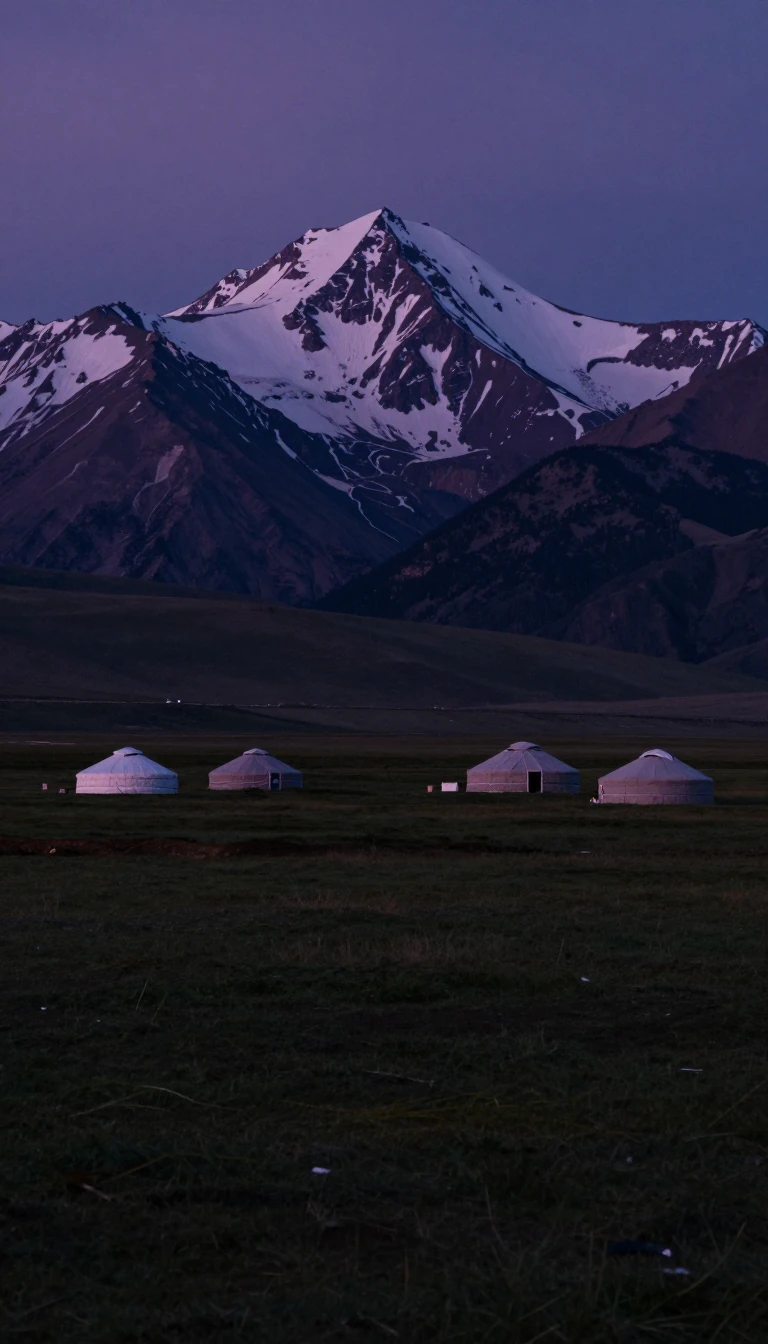
In short: Emerging from the fractured Mongol Empire, Moghulistan was a stubborn bastion of nomadic tradition in Central Asia. While other Mongol successors rapidly assimilated into Persian or Chinese cultures, the Moghuls clung to their steppe roots for centuries, creating a unique, turbulent history that eventually dissolved under the rising Dzungar Khanate.
Moghulistan, or the Eastern Chagatai Khanate, arose in the mid-14th century as a nomadic confederacy centered in the Ili River region. Unlike the western portion of the former Chagatai Khanate, which focused on the sedentary centers of Transoxiana, Moghulistan remained a stronghold for steppe nomads. Its rulers, descendants of Chagatai Khan, governed a vast, shifting territory that spanned parts of modern-day Kazakhstan, Kyrgyzstan, and Xinjiang. The name itself, a Persian term meaning 'Land of the Moghuls,' reflects the identity of these eastern khans who viewed themselves as the true heirs to Mongol traditions.
The region’s history was defined by a constant tension between nomadic independence and the influence of sedentary neighbors. While the first khan, Tughlugh Timur, converted to Islam in 1354 and brought 160,000 followers with him, the general population remained resistant to change. Power was often fragmented, with local Dughlat amirs and Naqshbandi Sufi leaders holding significant sway over the oasis cities. The khanate faced relentless pressure from the Timurid Empire to the west and the Oirats to the east, leading to a period of near-constant civil war and territorial instability that saw the state eventually split into the Turpan and Yarkent Khanates.
By the 17th century, the political landscape shifted as secular power transitioned from the khans to influential religious figures known as khojas. This internal division invited foreign intervention, culminating in the 1680 invasion by the Buddhist Dzungar Khanate. By 1705, the last remnants of Chagatayid rule were effectively extinguished. Although descendants of the house continued to serve as vassals under the Qing dynasty until 1930, the era of the independent Moghul steppe power had long since passed. Today, our understanding of this complex period relies heavily on the Tarikh-i-Rashidi, the primary historical account written by Mirza Muhammad Haidar Dughlat, who fled to India after the collapse of his family’s influence.
Opens the Intellect+ feed with this card first. Swipe up for the next one.
Sources
- Summary by Intellect · source: Moghulistan
- Also: Wikidata — Moghulistan · CC0
- Also: www.britannica.com — Mughulistān | Mongol khanate | Britannica
To cite this card, link to https://intellectplus.co.uk/app/places-moghulistan.
How we source, check and correct cards: Editorial standards.
General information, not professional advice. Spotted an error? Flag the card or see corrections and complaints.
Intellect Plus is a visual educational discovery platform for exploring fascinating facts and ideas. Brain Food, Not Brain Rot. What is Intellect Plus?
Related
More in Cities · More in Countries & Cities · Latest · A–Z · All topics
