How a desert khanate turned the lower Amu Darya into a thriving trade hub
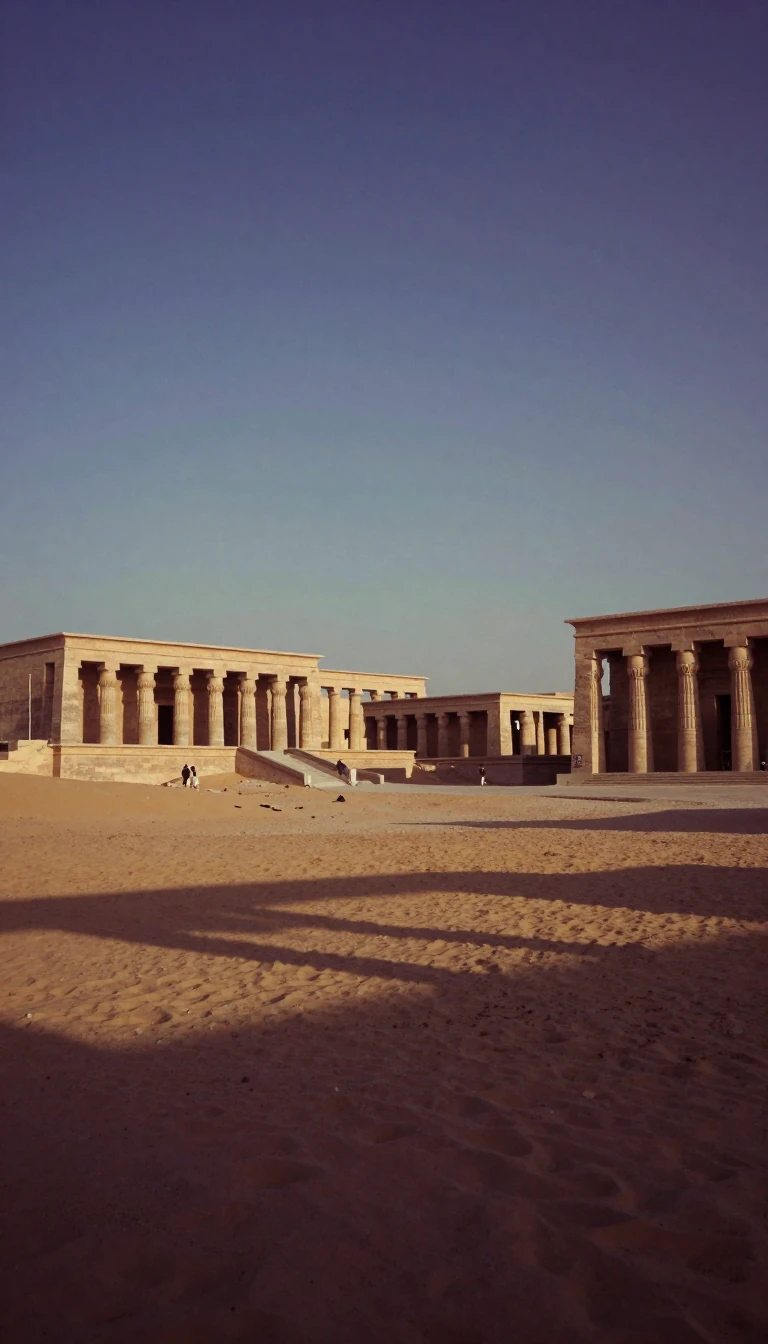
In short: For four centuries, the Khanate of Khiva balanced nomadic tradition with sedentary agriculture in the harsh plains of Central Asia. By mastering irrigation and controlling vital caravan routes, this Uzbek monarchy became a regional powerhouse, only to be reshaped by the encroaching influence of the Russian Empire and internal tribal politics.
The Khanate of Khiva, known locally as the vilayet Khwārazm, emerged in 1511 after the expulsion of Persian forces. Centered in the irrigated plains of the lower Amu Darya, the state relied on a sophisticated network of canals to transform desert margins into productive farmland. This infrastructure supported a diverse population of settled Uzbek agriculturalists, urban artisans, and semi-nomadic Turkmen and Karakalpak tribes who provided essential livestock and military support.
The khanate’s prosperity was inextricably linked to its position on major caravan routes connecting Central Asia, Persia, and Russia. Khivan rulers taxed the flow of silk, cotton, carpets, and spices, using these revenues to fund a military composed of tribal cavalry and irregular levies. This economic model was bolstered by a synthesis of Turkic, Persian, and Islamic cultures, where court historians and poets maintained a bilingual literary tradition that bridged the gap between the nomadic steppe and the sedentary city.
Despite its resilience, the khanate faced constant pressure from neighboring Bukhara and, eventually, the expansionist Russian Empire. Following the Russian conquest in 1873, Khiva became a protectorate, losing its autonomy over foreign policy and border security. The introduction of modernizing reforms—often met with fierce resistance from local tribes—and the eventual abolition of the regional slave trade marked the end of the traditional Khivan order, leading to its final incorporation into the Soviet Union in 1924.
The legacy of the khanate persists in the architectural profile of the walled city of Itchan Kala, where minarets and palaces showcase the glazed tilework and woodcarving of a bygone era. While the political entity was eventually divided between the modern states of Uzbekistan and Turkmenistan, the historical interplay between the settled riverine population and the nomadic frontier remains a defining feature of the region's complex heritage.
Opens the Intellect+ feed with this card first. Swipe up for the next one.
Sources
- Summary by Intellect · source: Khanate of Khiva
To cite this card, link to https://intellectplus.co.uk/app/nature-khanate-of-khiva.
How we source, check and correct cards: Editorial standards.
General information, not professional advice. Spotted an error? Flag the card or see corrections and complaints.
Intellect Plus is a visual educational discovery platform for exploring fascinating facts and ideas. Brain Food, Not Brain Rot. What is Intellect Plus?
Related
More in Physical geography · More in Nature · Latest · A–Z · All topics
