Mount Baker is a young, snow-drenched giant hiding a volatile, steaming history
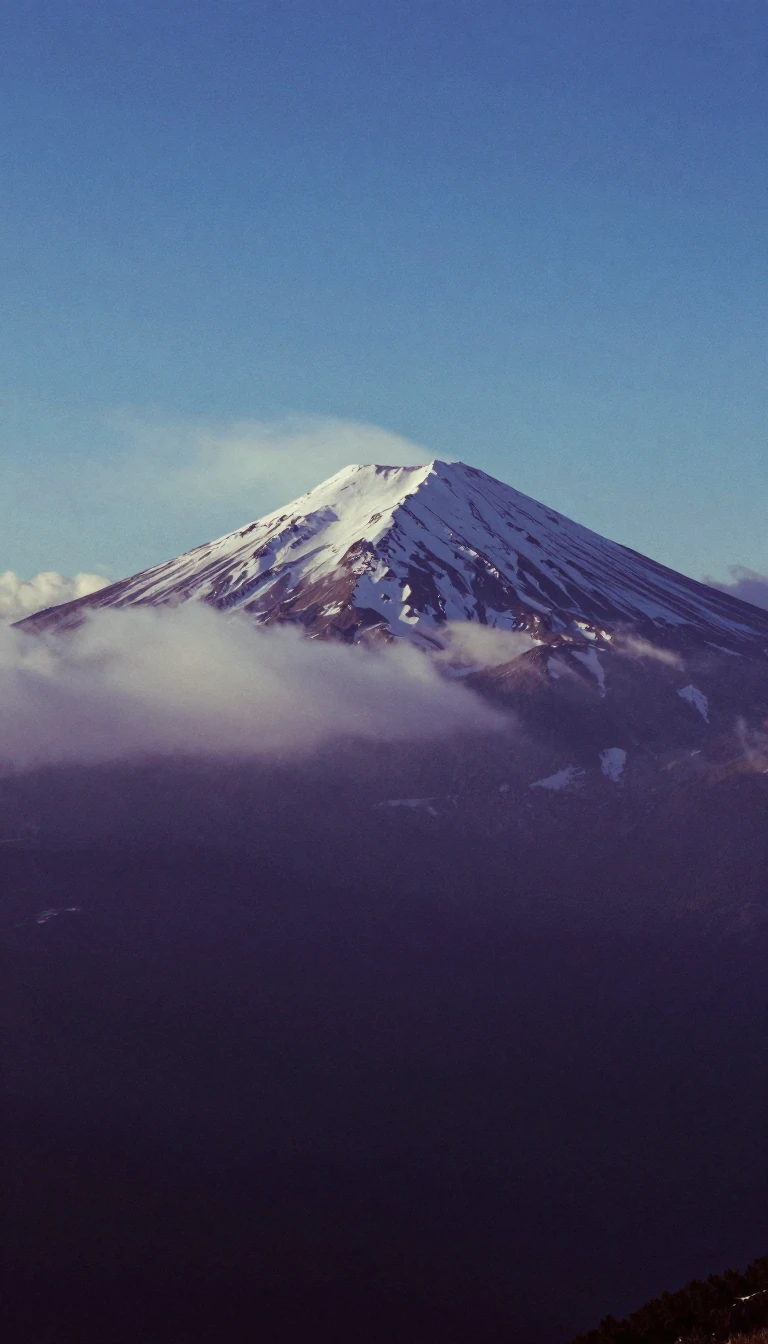
In short: Rising above Washington State, Mount Baker holds more ice than all other Cascade volcanoes combined, save for Rainier. While it appears as a serene, snow-covered pyramid, this active stratovolcano has a complex geological past and a persistent, steaming interior that keeps researchers on high alert for potential hazards.
Mount Baker is a relatively youthful feature in the Cascade Volcanic Arc. While the broader volcanic field has been active for over a million years, the current cone likely formed within the last 140,000 years, with some estimates suggesting it is as young as 80,000 to 90,000 years. It rests atop the remains of an older, larger edifice known as Black Buttes, which saw activity between 300,000 and 500,000 years ago. Glacial erosion has stripped away much of the mountain's earlier history, leaving behind a landscape defined by steep, vegetated flanks and eleven major glaciers.
Unlike the explosive history of neighbors like Mount St. Helens, Mount Baker has been characterized by more modest eruptive behavior over the last 14,000 years. Its most significant threats are not necessarily magmatic eruptions, but rather lahars—destructive debris flows triggered by steam eruptions, earthquakes, or even heavy rainfall. The mountain’s internal heat is concentrated at Sherman Crater, where hundreds of fumaroles vent gases like carbon dioxide and hydrogen sulfide. This hydrothermal activity constantly weakens the surrounding rock, creating unstable slopes prone to collapse.
The mountain’s volatility was highlighted in 1975 when a dramatic surge in heat flow and fumarolic activity sparked fears of an imminent eruption. Authorities lowered the water level of the nearby Baker Lake reservoir to prevent a catastrophic wave should a debris avalanche occur. While no magma movement was detected and the activity eventually stabilized, the event underscored the constant monitoring required for this peak. Today, the mountain remains a subject of intense study, with researchers utilizing GPS and gas sampling to track its subtle, ongoing changes.
Beyond its geology, the mountain is deeply woven into the history of the Nooksack and Upper Skagit peoples, who have long utilized its slopes for hunting and gathering. Known by names like Kweq' Smánit and təqʷubəʔ, the mountain served as a vital source of food and resources. European exploration followed centuries later, with Spanish explorers first recording it in 1790 before George Vancouver officially named it for his lieutenant, Joseph Baker, in 1792.
Opens the Intellect+ feed with this card first. Swipe up for the next one.
Sources
- Summary by Intellect · source: Mount Baker
- Also: Wikidata — Mount Baker · CC0
- Also: Wikidata — Mount Baker · CC0
To cite this card, link to https://intellectplus.co.uk/app/places-mount-baker.
How we source, check and correct cards: Editorial standards.
General information, not professional advice. Spotted an error? Flag the card or see corrections and complaints.
Intellect Plus is a visual educational discovery platform for exploring fascinating facts and ideas. Brain Food, Not Brain Rot. What is Intellect Plus?
Related
More in Mountain peaks and volcanos · More in Countries & Cities · Latest · A–Z · All topics
