How a medieval Muslim scholar mapped the world for a Christian king
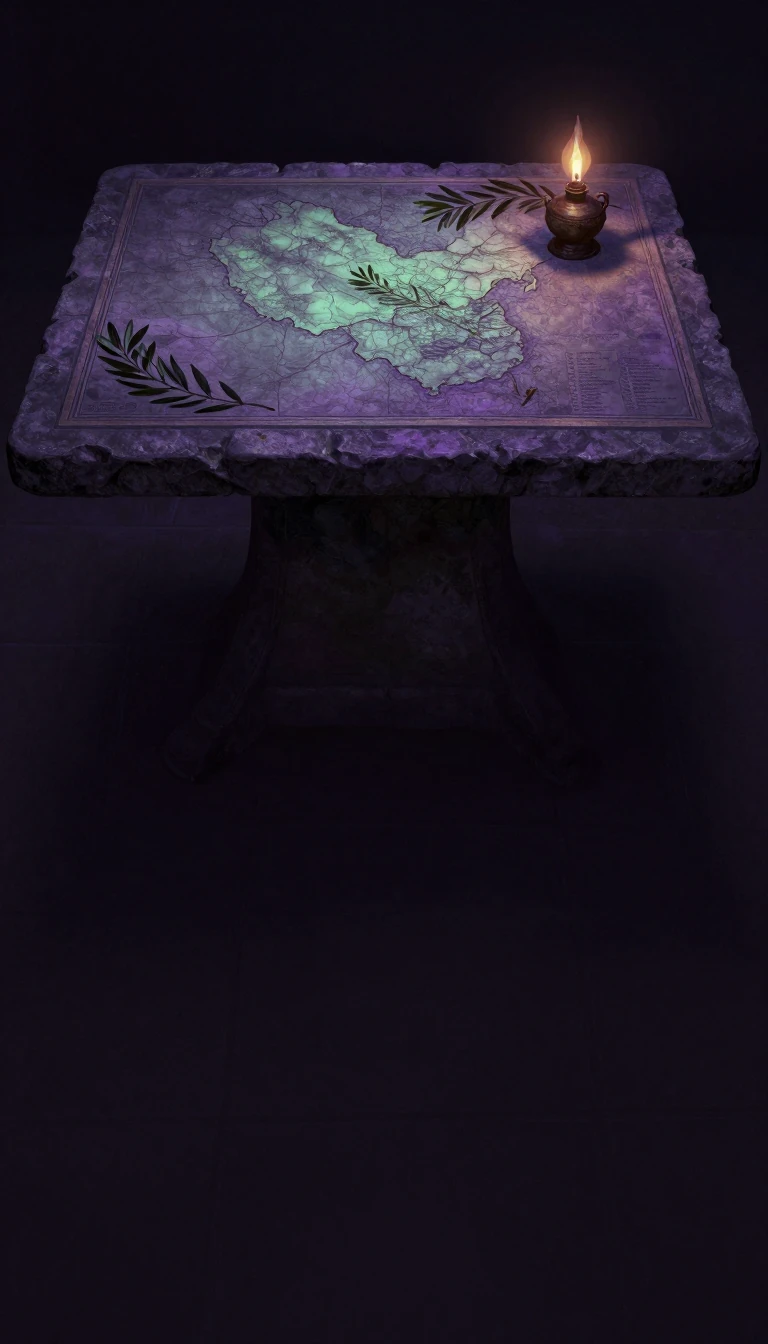
In short: In 1154, Muhammad al-Idrisi completed the Tabula Rogeriana, the most advanced world map of its era. Commissioned by the Norman King Roger II of Sicily, this monumental work combined Islamic geographical knowledge with Norman maritime reports, forever changing how the medieval world understood its own vast, interconnected geography.
Born in Ceuta in 1100, al-Idrisi was a descendant of the Prophet Muhammad through the Idrisid dynasty. After traveling extensively through North Africa and Al-Andalus, he eventually settled at the court of King Roger II in Palermo. His arrival in Sicily remains a subject of historical intrigue; some scholars suggest he sought refuge from political instability, while others point to the influence of his Hammudid kinsmen who held significant power in the Norman court. Roger II reportedly secured al-Idrisi’s services by offering him safety and a royal pension, explicitly noting that his noble lineage made him a target among rival Muslim rulers.
The resulting masterpiece, the Tabula Rogeriana, was far more than a simple drawing. It was inscribed on a massive, six-foot-wide silver disc weighing 450 pounds. Accompanying this was a comprehensive geographical text, Kitab nuzhat al-mushtaq, which served as a detailed key to the map. To ensure accuracy, al-Idrisi cross-referenced ancient Greek sources like Ptolemy with contemporary reports from travelers and merchants. He even dispatched his own observers to various countries to verify geographical coordinates, demonstrating a rigorous, empirical approach to cartography that was remarkably ahead of its time.
Despite its brilliance, the work had a complex legacy. While it influenced later Islamic scholars like Ibn Khaldun, it remained largely unknown in Western Europe for centuries, having little impact on the development of Renaissance cartography. Today, al-Idrisi is remembered not just for his maps, but for his intellectual breadth, including a medical dictionary listing drugs in 12 different languages. His work remains a testament to the cross-cultural exchange of the 12th century, bridging the gap between the Islamic world and the Norman Mediterranean.
Opens the Intellect+ feed with this card first. Swipe up for the next one.
Sources
- Summary by Intellect · source: Muhammad al-Idrisi
- Also: Muhammad al-Idrisi | Geographer, Maps, & Biography | Britannica
- Also: Wikidata — Abu Abdullah Muhammad al-Idrisi al-Qurtubi al-Hasani as-Sabti · CC0
To cite this card, link to https://intellectplus.co.uk/app/places-muhammad-al-idrisi.
How we source, check and correct cards: Editorial standards.
General information, not professional advice. Spotted an error? Flag the card or see corrections and complaints.
Intellect Plus is a visual educational discovery platform for exploring fascinating facts and ideas. Brain Food, Not Brain Rot. What is Intellect Plus?
Related
More in Cities · More in Countries & Cities · Latest · A–Z · All topics
