Why does this remote Canadian wilderness carry the haunting name Valley of the Headless Men?
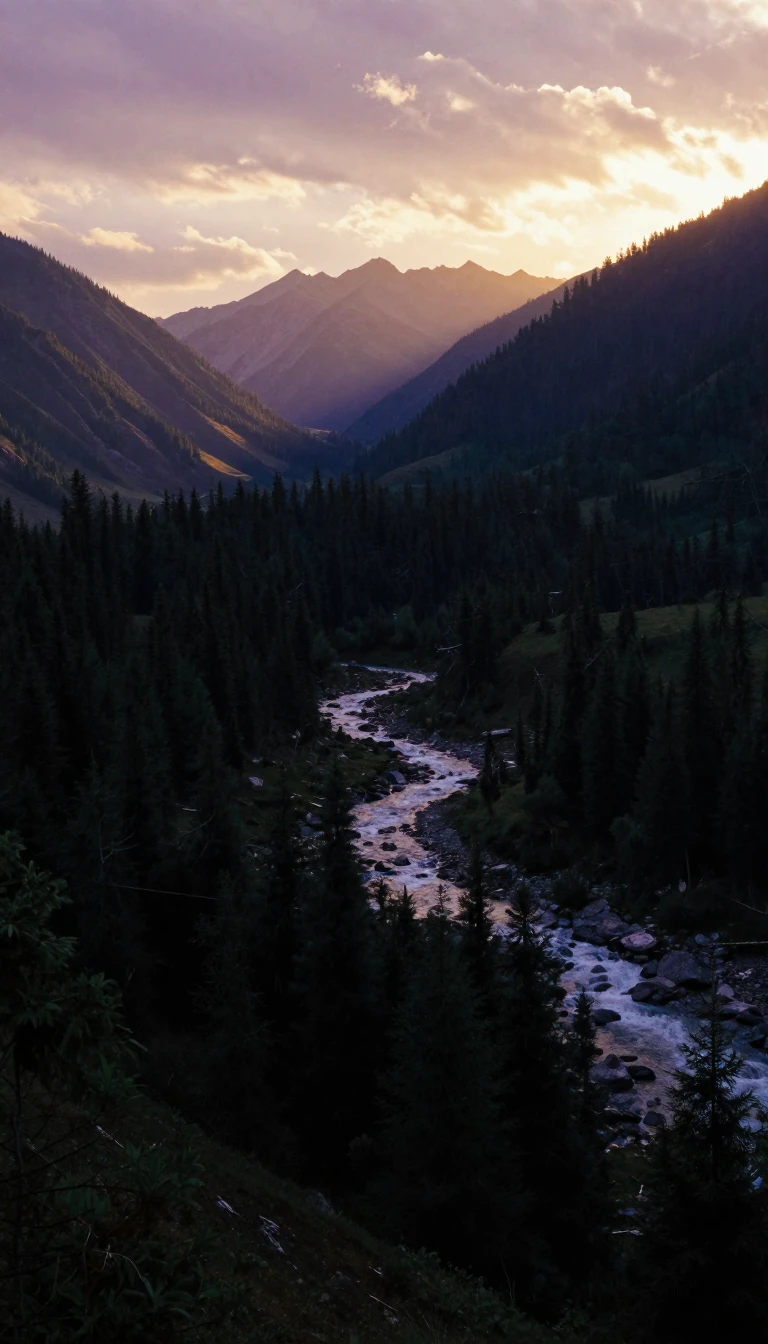
In short: Deep in the Northwest Territories lies a rugged landscape of limestone canyons and thunderous waterfalls. While celebrated for its geological diversity and UNESCO status, the park is equally famous for its unsettling folklore, born from the mysterious, unsolved deaths of prospectors who once sought their fortunes in these mountains.
Nahanni National Park Reserve protects a vast portion of the Mackenzie Mountains, a region defined by the South Nahanni River. This river is a rare antecedent waterway, meaning it maintained its original path even as the mountains rose around it over millions of years. The result is a series of four dramatic canyons, with walls reaching 1,000 meters in height, and Virginia Falls, which plunges 90 meters into a mist-filled basin. The park’s unique topography, including the granite towers of the Ragged Range and the rare tufa mounds at Rabbitkettle Hotsprings, was shaped by ancient inland seas, tectonic collisions, and the relatively limited impact of the Wisconsin Ice Age.
The park’s reputation for the macabre stems from the Klondike Gold Rush era, when explorers ventured into the wilderness hoping to strike it rich. Legends of haunted valleys and lost gold mines gained traction after the headless remains of Métis prospectors Willie and Frank McLeod were discovered around 1908. These stories persisted for decades, fueled by accounts of disappearing explorers and eerie experiences, such as geologist Frank M. W. Henderson’s 1946 report of mysterious white figures moving through the valley. Such tales earned the region names like Deadmen Valley and the Funeral Range, cementing its status as a place where the landscape feels as dangerous as it is beautiful.
Today, the park serves as a model for cooperative management between the federal government and the Dehcho First Nations. Since the Naha Dehe Consensus Team was established in 2000, the park has expanded significantly to cover 30,050 square kilometers, protecting 91% of the Greater Nahanni ecosystem. This vast wilderness provides critical habitat for grizzly bears, woodland caribou, and over 180 bird species, including the only known nesting site of the whooping crane. While it remains a destination for adventurers, the park is strictly managed to preserve its fragile biodiversity, requiring visitors to register their movements and adhere to specific access protocols.
Opens the Intellect+ feed with this card first. Swipe up for the next one.
Sources
- Summary by Intellect · source: Nahanni National Park Reserve
- Also: Wikidata — Nahanni National Park Reserve · CC0
To cite this card, link to https://intellectplus.co.uk/app/places-nahanni-national-park-reserve.
How we source, check and correct cards: Editorial standards.
General information, not professional advice. Spotted an error? Flag the card or see corrections and complaints.
Intellect Plus is a visual educational discovery platform for exploring fascinating facts and ideas. Brain Food, Not Brain Rot. What is Intellect Plus?
Related
More in World Heritage Sites · More in Countries & Cities · Latest · A–Z · All topics
