A landscape designed as a painting, split by a river and two nations
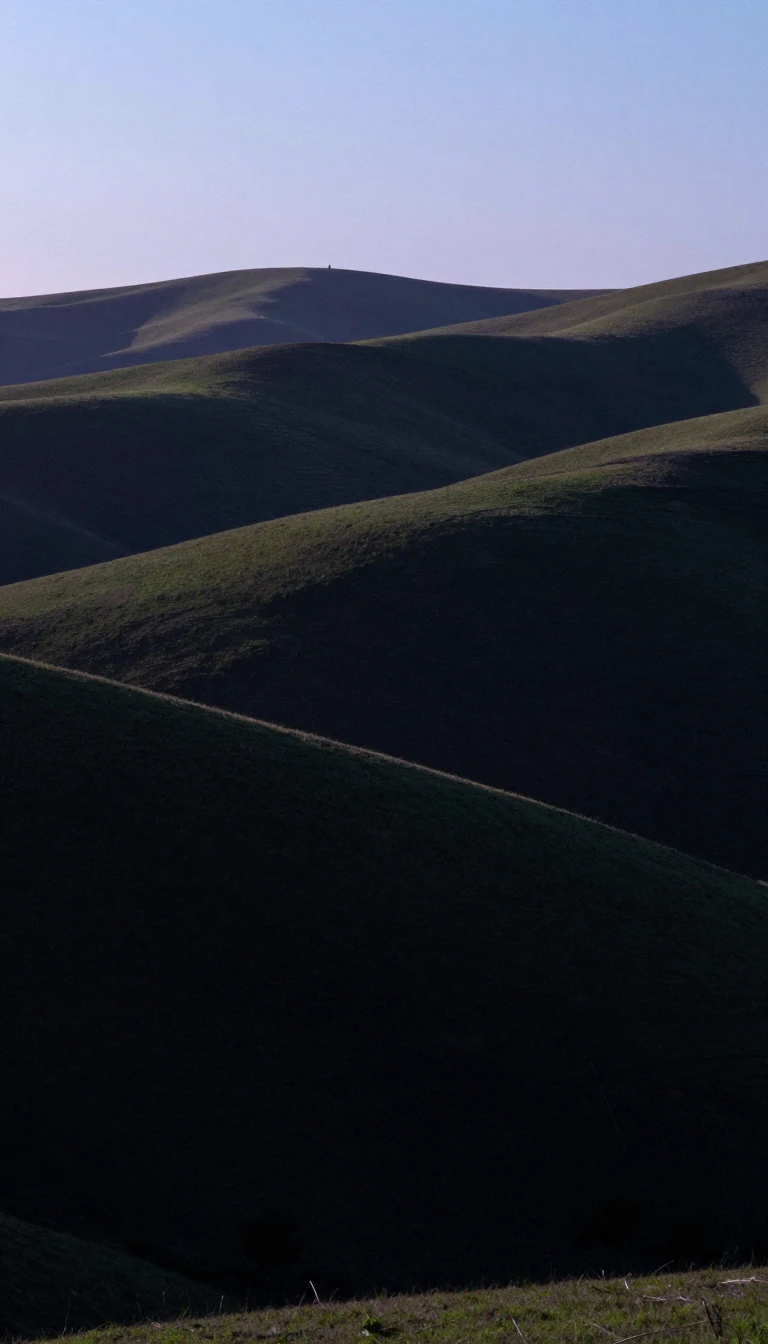
In short: Muskau Park is the largest English-style garden in Central Europe, a sprawling masterpiece that ignores modern borders. Commissioned by Prince Hermann von Pückler-Muskau in 1815, this utopian landscape uses native plants and architecture to turn the natural terrain into a living, breathing canvas that spans both Germany and Poland.
Prince Hermann von Pückler-Muskau, a visionary landscape architect, began transforming his estate in 1815 after returning from extensive studies in England. Influenced by the ideas of Humphry Repton, Pückler sought to envelop the town of Bad Muskau in a grand, unprecedented scale. The park was meticulously designed as a painting with plants, utilizing water features, bridges, and a radiating network of paths centered on the New Castle. His wife, Lucie von Hardenberg, also played a significant role in the project, which continued to evolve under his disciple, Eduard Petzold, after Prince Frederick of the Netherlands acquired the estate in 1846.
The park's history reflects the turbulent shifts of the 20th century. During the Battle of Berlin in 1945, the castles were levelled and the bridges destroyed. Following the implementation of the Oder-Neisse line, the park was severed by the new state border, leaving two-thirds of the grounds on the Polish side. For decades, the legacy of the aristocratic Prince Pückler was largely ignored by authorities. It was not until the 1960s that restoration efforts began, starting with the Old Castle, and only after the political shifts of 1989 did German and Polish administrations collaborate to fully reunite the ensemble.
Today, the site is recognized as a UNESCO World Heritage Site, honored for its utopian design and its profound influence on landscape architecture. The park covers 3.5 square kilometers in Poland and 2.1 square kilometers in Germany, connected by a pedestrian bridge rebuilt in 2003. Since Poland joined the Schengen Area in 2007, the border has effectively vanished for visitors, allowing them to traverse the entire 17.9 square kilometer buffer zone freely. The restoration of the English Bridge in 2011 serves as a poignant symbol of this cross-border reconciliation, turning a former site of division into a unified, living monument to human artistry.
Opens the Intellect+ feed with this card first. Swipe up for the next one.
Sources
- Summary by Intellect · source: Muskau Park
- Also: Wikidata — Muskau Park · CC0
To cite this card, link to https://intellectplus.co.uk/app/places-muskau-park.
How we source, check and correct cards: Editorial standards.
General information, not professional advice. Spotted an error? Flag the card or see corrections and complaints.
Intellect Plus is a visual educational discovery platform for exploring fascinating facts and ideas. Brain Food, Not Brain Rot. What is Intellect Plus?
Related
More in World Heritage Sites · More in Countries & Cities · Latest · A–Z · All topics
