The mysterious origins of the name Mexico remain a subject of intense scholarly debate
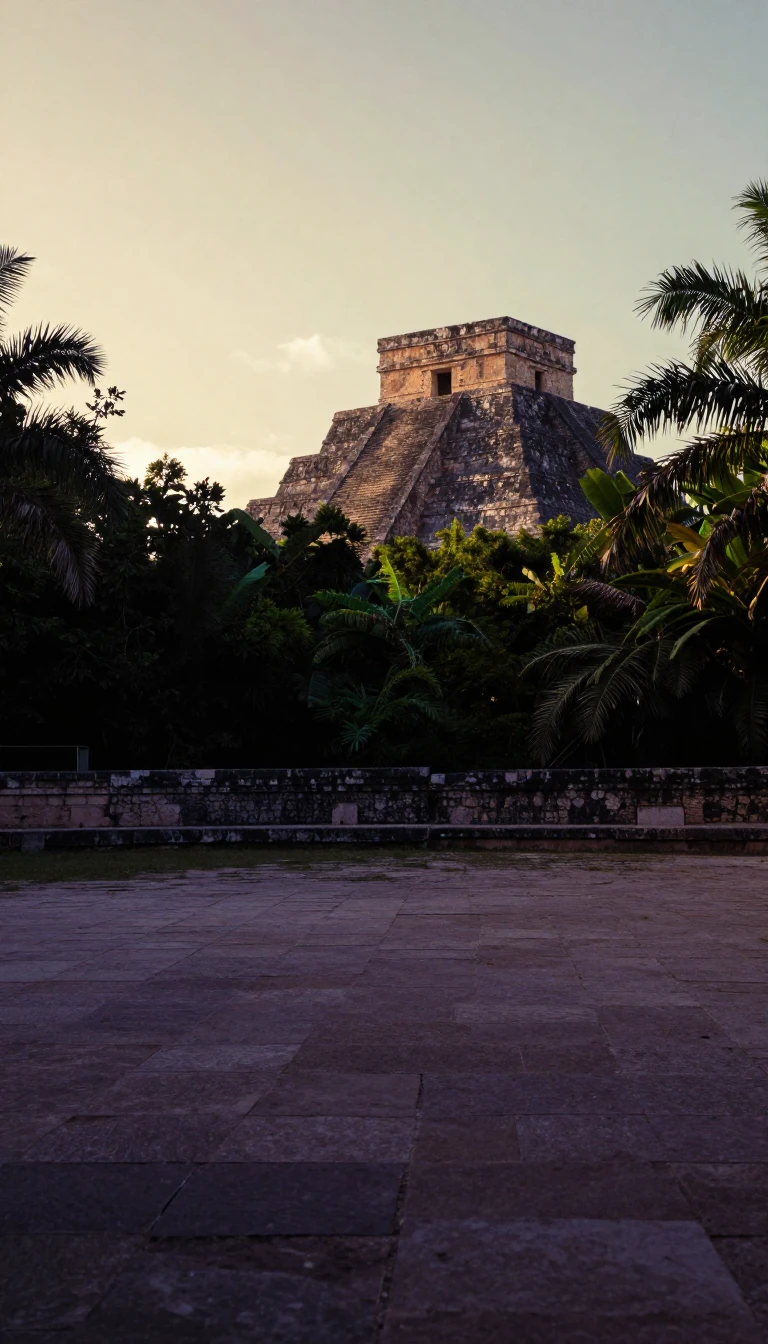
In short: Is Mexico named after a moon goddess, a war deity, or a plant? While the country's name is globally recognized, its etymological roots are buried in centuries of linguistic evolution, colonial history, and competing myths. Experts still lack a consensus on how this ancient term became a modern nation's title.
The etymology of Mexico is shrouded in uncertainty, with several Nahuatl-based hypotheses vying for accuracy. Some scholars link the name to Mēxihco, often translated as the place in the navel of the moon, while others suggest it refers to the war god Huitzilopochtli, who allegedly possessed a secret name, Mexi. Alternative theories propose connections to the maguey goddess Mectli or describe it as a place in the middle of a century plant. Linguist Frances Karttunen has critiqued several of these interpretations, noting that vowel lengths in the proposed Nahuatl elements do not always align with the final form of the word.
The transition from a city name to a national identity was a complex process. Originally, Mexico referred to the capital city, Mexico-Tenochtitlan, and later to a province within the Spanish viceroyalty of New Spain. During the 1810s, as independence movements gained momentum, various names were proposed for the emerging nation, including América Mexicana, which appeared in the 1814 constitution drafted at Apatzingán. It was not until the collapse of the First Mexican Empire and the establishment of a republic in 1824 that the official name United Mexican States was formally adopted in the constitution.
The spelling of the name also reflects a long history of linguistic reform and national resistance. In Medieval Spanish, the x in México represented a sound similar to the English sh. By the sixteenth century, this evolved into a velar fricative, leading to confusion with the letter j. Although the Real Academia Española attempted to standardize the spelling as Méjico in the early nineteenth century, Mexicans consistently favored the original x. Today, the Real Academia Española acknowledges both spellings as orthographically correct, though it recommends the traditional México, which remains the universal standard throughout the country and much of the Spanish-speaking world.
Opens the Intellect+ feed with this card first. Swipe up for the next one.
Sources
- Summary by Intellect · source: Name of Mexico
- Also: Wikidata — name of Mexico · CC0
To cite this card, link to https://intellectplus.co.uk/app/places-name-of-mexico.
How we source, check and correct cards: Editorial standards.
General information, not professional advice. Spotted an error? Flag the card or see corrections and complaints.
Intellect Plus is a visual educational discovery platform for exploring fascinating facts and ideas. Brain Food, Not Brain Rot. What is Intellect Plus?
Related
More in Regions and country subdivisions · More in Countries & Cities · Latest · A–Z · All topics
