Nampula: The rapid rise of Mozambique's northern economic powerhouse
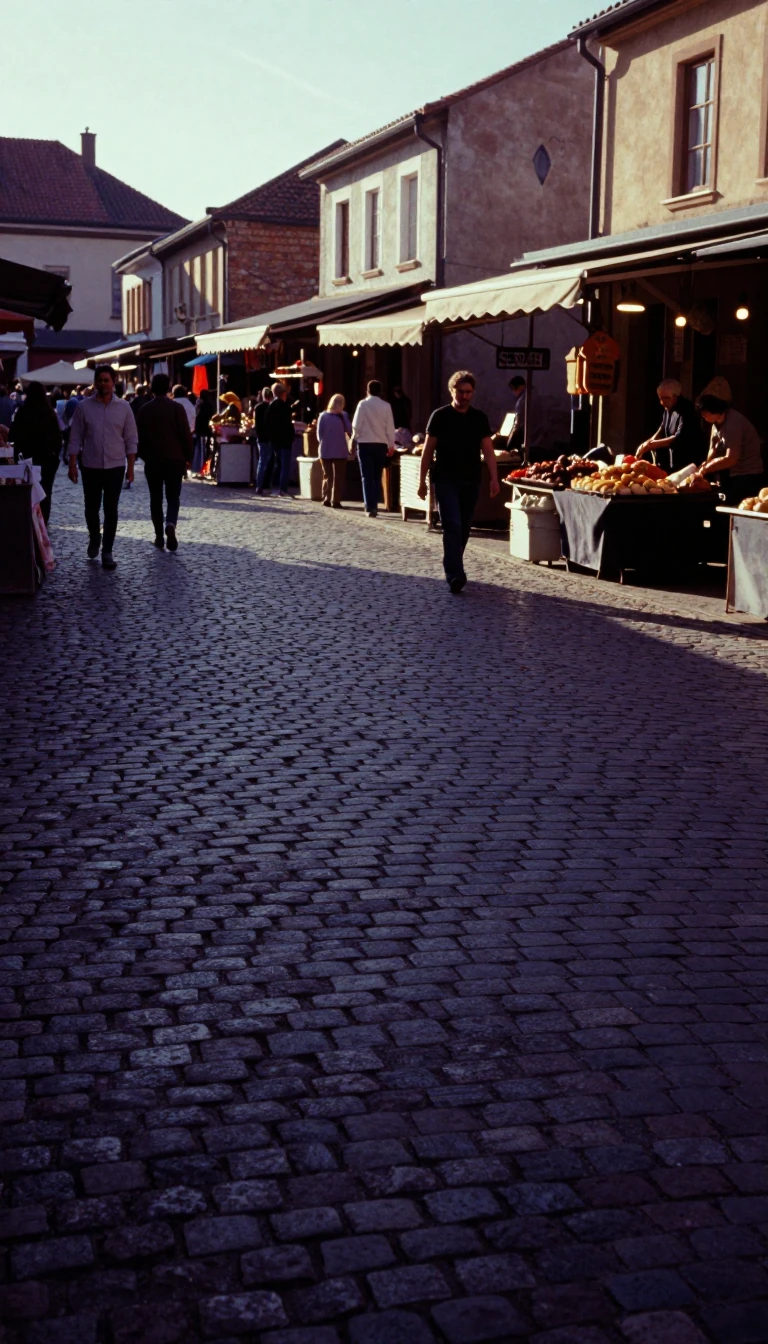
In short: Founded as a colonial military outpost in 1907, Nampula has transformed into a vital regional hub. Today, it serves as a critical link between landlocked African nations and the coast, acting as a center for trade, education, and transport in the heart of northern Mozambique.
Nampula is a relatively young city, established by the Portuguese colonial army in 1907 and officially designated as a city in 1956. During the struggle for independence, it functioned as a strategic military base against the FRELIMO movement. Following the 1975 independence, the departure of Portuguese residents and the onset of the Mozambican Civil War between 1982 and 1992 triggered massive rural-to-urban migration. Although the government initially expected these displaced populations to return to the countryside after the war, they remained, fueling the city's expansion.
The city is now the third-largest in Mozambique, with a 2017 census population of 743,125. Its geography, situated 200 kilometers inland amidst plains and rocky outcrops, has not hindered its development. Instead, it has become a nexus for regional commerce, benefiting from its proximity to the Nacala Development Corridor and its role as a transport hub. The city connects to international destinations like Nairobi and Johannesburg via its airport and serves as a vital railway junction, supporting trade for neighboring countries like Malawi.
Beyond its economic role, Nampula is a center for social development. It hosts diverse communities and institutions, including the Universidade Lurio, which pioneered optometry training in Mozambique. The city's political history has been equally dynamic, marked by shifts in municipal leadership between FRELIMO, the Democratic Movement of Mozambique, and RENAMO. Despite the tragic 2017 assassination of Mayor Mahamudo Amurane, the city continues to function as a major growth center, attracting significant public and private investment across various sectors.
The name Nampula is believed to originate from the eMakhuwa word Whampula, referencing a historical tribal leader. Today, the city remains a melting pot of cultures, home to a native eMakhuwa majority alongside Indian, European, Chinese, Lebanese, Somali, and Nigerian populations. This diversity is reflected in its religious landscape, which includes a mix of Christian and Islamic institutions, and its role as a gateway to northern Mozambique's interior.
Opens the Intellect+ feed with this card first. Swipe up for the next one.
Sources
- Summary by Intellect · source: Nampula
- Also: Wikidata — Nampula · CC0
To cite this card, link to https://intellectplus.co.uk/app/places-nampula.
How we source, check and correct cards: Editorial standards.
General information, not professional advice. Spotted an error? Flag the card or see corrections and complaints.
Intellect Plus is a visual educational discovery platform for exploring fascinating facts and ideas. Brain Food, Not Brain Rot. What is Intellect Plus?
Related
More in Africa · More in Countries & Cities · Latest · A–Z · All topics
