Nakuru: The Kenyan Rift Valley hub that evolved from a colonial railway outpost
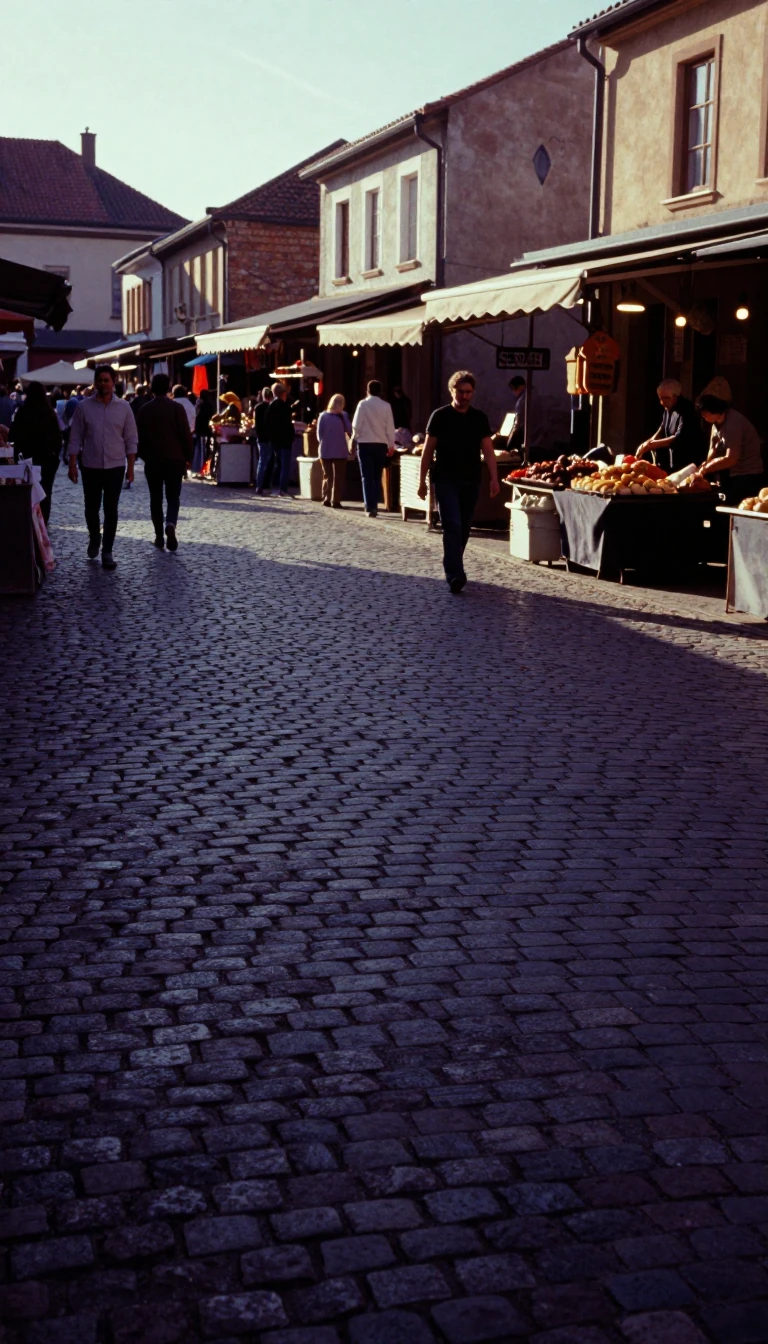
In short: Once a modest railway township, Nakuru has transformed into Kenya's fourth official city. Situated 1,850 metres above sea level, this cosmopolitan centre serves as a vital agricultural and industrial engine. Beyond its economic output, it guards prehistoric secrets and volcanic landscapes that define the unique geography of the Great Rift Valley.
Incepted on 28 January 1904, Nakuru began as a small township near a railway station. During the British colonial era, it was designated part of the White Highlands, eventually becoming a municipality in 1952. Its growth was deeply tied to the political landscape of post-independence Kenya, serving as a residence for early presidents Jomo Kenyatta and Daniel arap Moi. By December 2021, the Kenyan government officially chartered Nakuru as the nation's fourth city, following Nairobi, Mombasa, and Kisumu.
The city's economy is a robust blend of agriculture, manufacturing, and tourism. It acts as a processing hub for crops like coffee, wheat, and maize, which are stored in massive silos before being milled. This industrial base supports the production of goods ranging from batteries to motorcycles. Furthermore, Nakuru is a retail powerhouse, having birthed major supermarket chains like Nakumatt and Naivas, and it remains a critical transport node connecting the capital to western Kenya via road and rail.
Nakuru's surroundings are as significant as its urban core. Two kilometres south lies Lake Nakuru, a soda lake famous for its dense flamingo population and status as a rhinoceros sanctuary. Nearby, the Menengai Crater—the second-largest surviving volcanic crater in the world—plunges 483 metres into a forested caldera. The region also hosts the Hyrax Hill prehistoric site, discovered in 1926, which offers a window into Neolithic and Iron Age history, underscoring the area's long-standing importance to human settlement.
Today, Nakuru is a cosmopolitan melting pot, with the Kikuyu community forming the majority of its population. It serves as a major educational and medical centre, hosting institutions like Egerton University and the historic Nakuru War Memorial Hospital. Despite past challenges, including the 2007 post-election violence, the city continues to function as a vital administrative and cultural headquarters for the surrounding county.
Opens the Intellect+ feed with this card first. Swipe up for the next one.
Sources
- Summary by Intellect · source: Nakuru
- Also: Wikidata — Nakuru · CC0
- Also: www.britannica.com — Nakuru | History, Attractions, & Facts | Britannica
To cite this card, link to https://intellectplus.co.uk/app/places-nakuru.
How we source, check and correct cards: Editorial standards.
General information, not professional advice. Spotted an error? Flag the card or see corrections and complaints.
Intellect Plus is a visual educational discovery platform for exploring fascinating facts and ideas. Brain Food, Not Brain Rot. What is Intellect Plus?
Related
More in Africa · More in Countries & Cities · Latest · A–Z · All topics
