How a small Anatolian city shaped the definition of divinity for the Christian world
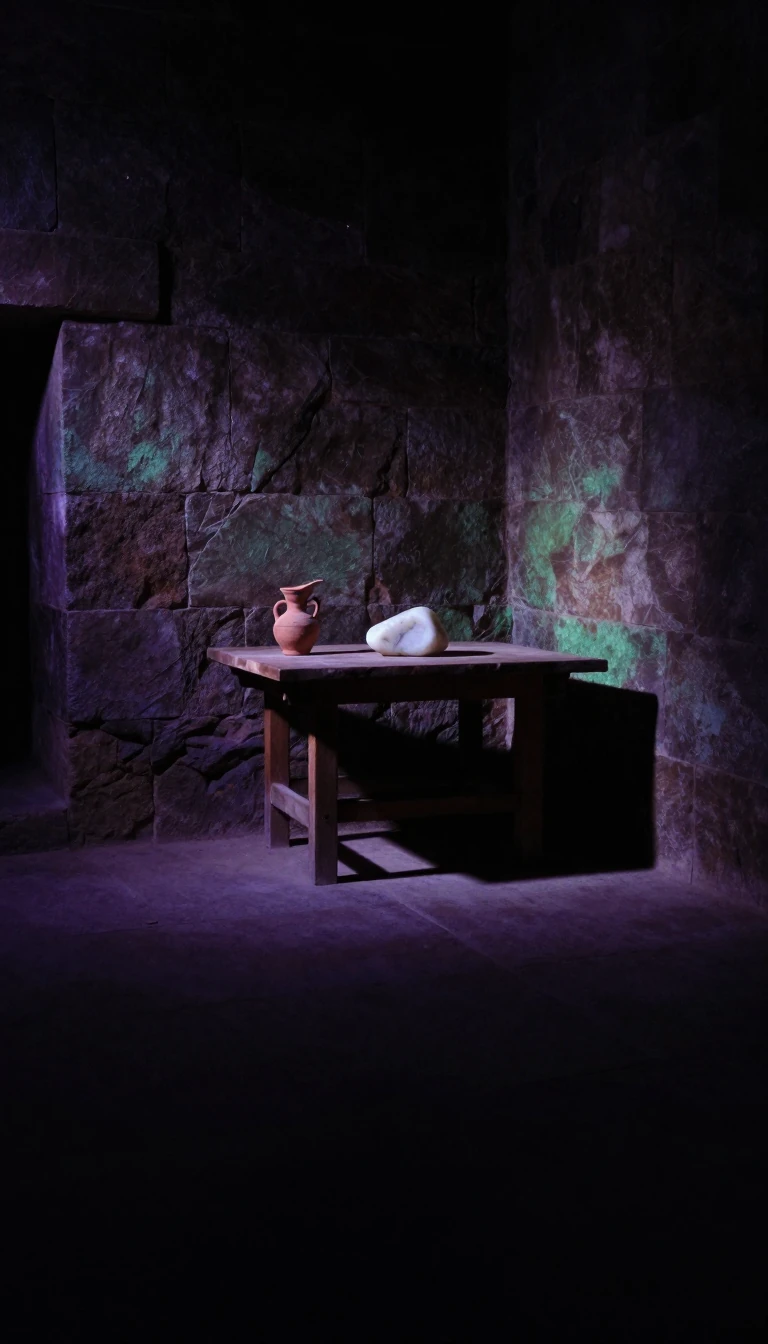
In short: In 325, the ancient city of Nicaea hosted an assembly that would define the nature of Christ for centuries. Convened by Emperor Constantine I, this gathering sought to resolve a deep theological rift, leaving behind a legacy that persists in the creed still recited by millions of believers today.
The First Council of Nicaea, held in 325, was the inaugural ecumenical council of the Christian church. It was summoned by Constantine I, who, despite being an unbaptized catechumen, actively participated in the proceedings. The primary objective was to address the teachings of Arius, an Alexandrian leader who argued that Christ was a created being rather than divine. Arius had gained a significant following by blending Neoplatonist philosophy with a rationalist interpretation of scripture, notably spreading his ideas through popular songs and his work, Thalia.
To counter this, the council introduced the term homoousios, meaning of one substance, to assert the absolute equality of the Son with the Father. This nonscriptural addition was intended to settle the controversy, though Arianism persisted for centuries. The council also attempted to standardize the date of Easter and issued various administrative decrees, such as prohibiting clergy from lending money at interest or moving between churches. Despite its influence, the council failed to reach a consensus on enforcing clerical celibacy.
Beyond its theological significance, Nicaea was a prominent urban center in Bithynia, known for its strategic location on Lake Ascanius and its rigorous Hellenistic grid design. Founded or refounded by successors of Alexander the Great, the city was enclosed by massive walls and served as a crucial administrative hub. Its history spans from its role as a Roman provincial center to its later status as a capital for the Empire of Nicaea and the Ottomans. Today, the site is known as İznik, Turkey, standing as a testament to both its ancient architectural planning and its pivotal role in ecclesiastical history.
Opens the Intellect+ feed with this card first. Swipe up for the next one.
Sources
- Summary by Intellect · source: First Council of Nicaea | Christianity, Arianism, Ecumenical, History, Significance, & Facts | Britannica
- Also: Nicaea
To cite this card, link to https://intellectplus.co.uk/app/places-nicaea.
How we source, check and correct cards: Editorial standards.
General information, not professional advice. Spotted an error? Flag the card or see corrections and complaints.
Intellect Plus is a visual educational discovery platform for exploring fascinating facts and ideas. Brain Food, Not Brain Rot. What is Intellect Plus?
Related
More in Cities · More in Countries & Cities · Latest · A–Z · All topics
