Why a 787 AD Council in Nicaea Still Defines Christian Art and Worship
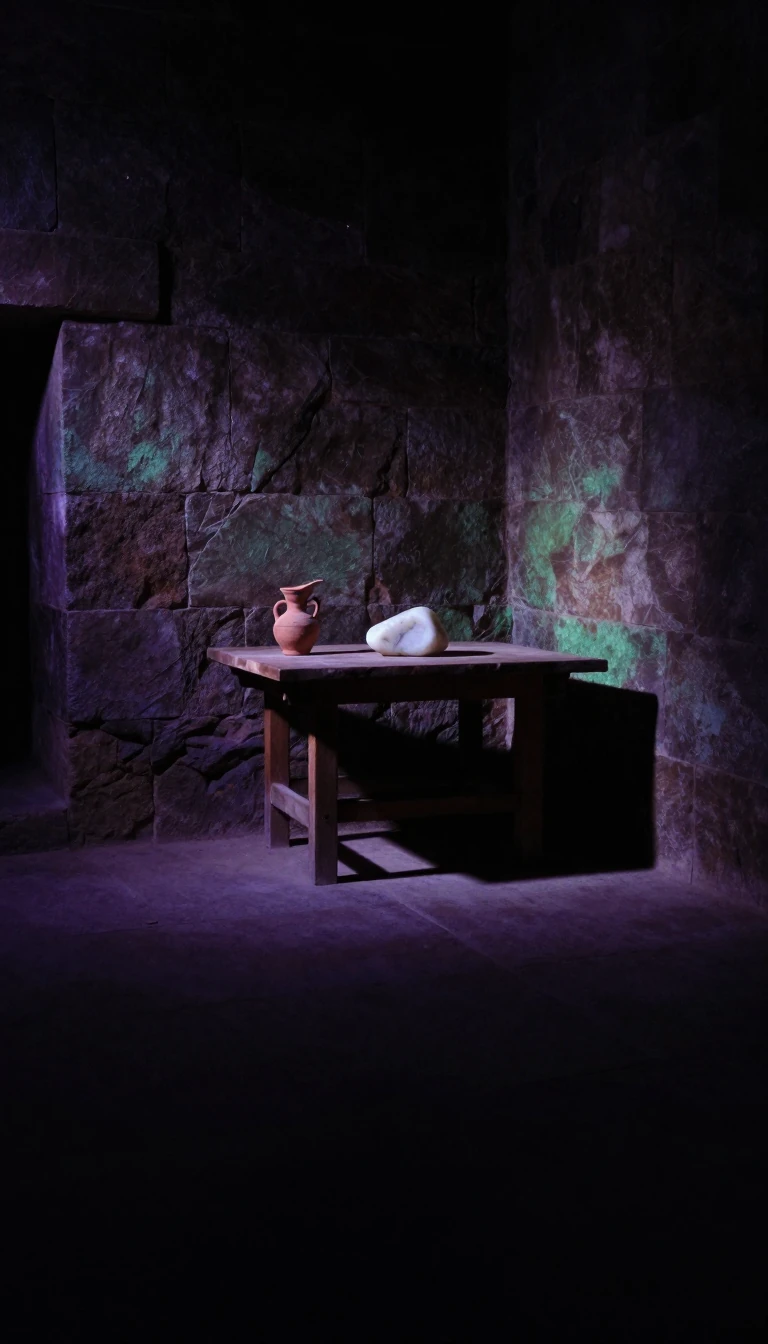
In short: In 787 AD, the Second Council of Nicaea convened to resolve a bitter imperial conflict over holy images. By distinguishing between honorary veneration and true adoration, the council attempted to end decades of iconoclasm. Its legacy remains a point of contention, shaping centuries of theological debate and ecclesiastical practice.
The Second Council of Nicaea was summoned in 787 AD to address the suppression of icons, which had been enforced by Byzantine emperors Leo III and his son, Constantine V. Constantine had previously held the Council of Hieria in 754 AD to codify the ban, claiming it as an ecumenical council. However, the Second Council of Nicaea overturned this decision, asserting that icons were not objects of idolatry but vehicles for honoring the subjects they depicted.
The council's proceedings were marked by political maneuvering. Empress Irene of Athens, acting as regent, sought to restore icon veneration, appointing Tarasios as Patriarch of Constantinople to lead the effort. After an initial attempt to meet in Constantinople was disrupted by soldiers and iconoclast bishops, the council successfully convened in Nicaea. About 350 members attended, with 308 bishops or their representatives signing the final acts. The council established twenty-two canons, including the requirement that every altar contain a relic, a regulation that persists in modern practice.
Despite its ecumenical status, the council faced immediate pushback from the West. Charlemagne and the Frankish clergy, relying on a poor Latin translation of the council's acts, rejected its decrees in the Libri Carolini, composed by Theodulf of Orléans. They argued that the council promoted superstitious adoration. While the Papacy eventually accepted the council, Protestant reformers like John Calvin and later Anglican theologians continued to view its conclusions as a departure from scripture, fueling centuries of disagreement over the role of images in Christian life.
Opens the Intellect+ feed with this card first. Swipe up for the next one.
Sources
- Summary by Intellect · source: Second Council of Nicaea
- Also: Second Council of Nicaea
To cite this card, link to https://intellectplus.co.uk/app/places-second-council-of-nicaea.
How we source, check and correct cards: Editorial standards.
General information, not professional advice. Spotted an error? Flag the card or see corrections and complaints.
Intellect Plus is a visual educational discovery platform for exploring fascinating facts and ideas. Brain Food, Not Brain Rot. What is Intellect Plus?
Related
More in Major world cities · More in Countries & Cities · Latest · A–Z · All topics
