The Ogooué River is the lifeblood of Gabon and a giant of African hydrology.
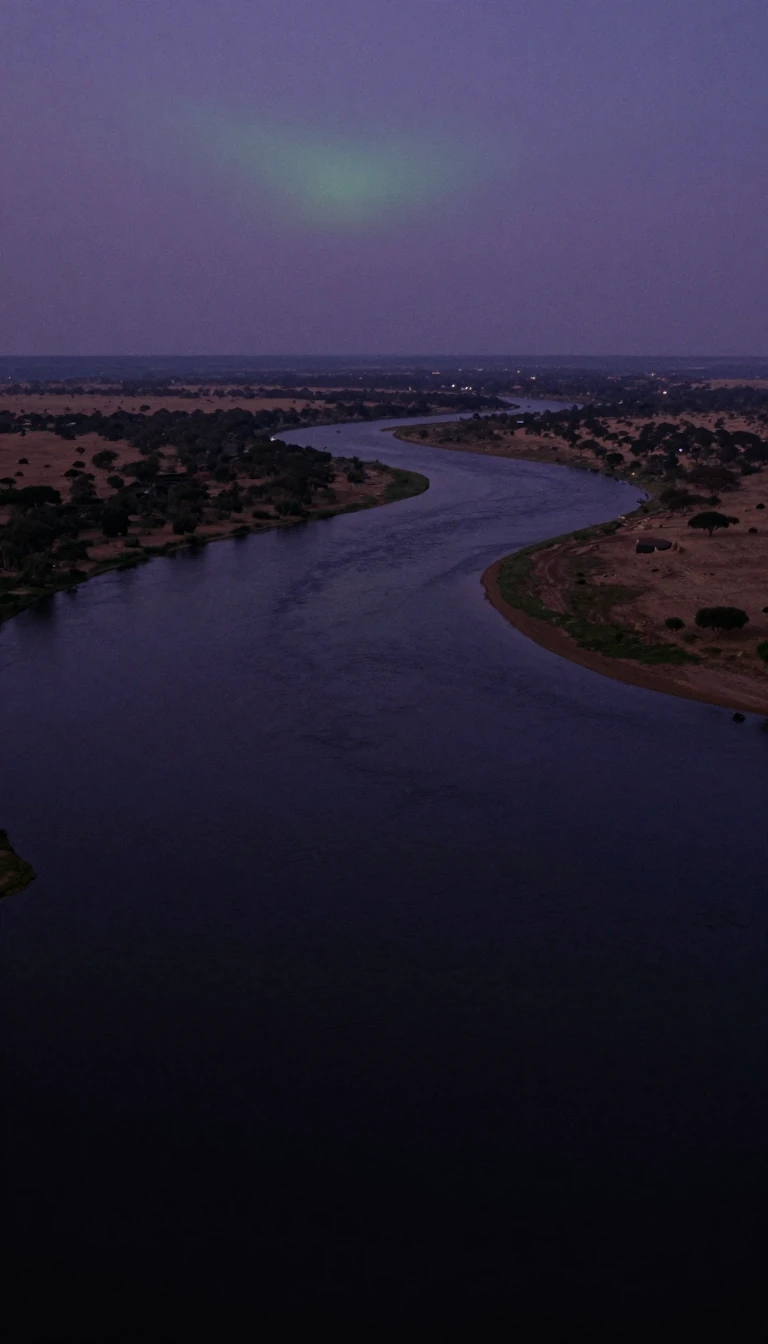
In short: Stretching 1,200 kilometers across west-central Africa, the Ogooué River is the primary waterway of Gabon. It ranks as the fourth-largest river on the continent by discharge volume, carving through vast, undisturbed rainforests and supporting an extraordinary level of biodiversity, including all three species of native African crocodiles.
The Ogooué, sometimes referred to as the Nazareth River, originates in the Republic of the Congo near the Batéké Plateau. Its path is defined by dramatic changes in terrain; while it flows through serene landscapes, it also features the Poubara Falls and a significant stretch between Lastoursville and Ndjolé where rapids render the water impassable for boats. From Ndjolé onward, the river becomes navigable, eventually reaching the Gulf of Guinea south of Port-Gentil through a massive delta that spans roughly 100 kilometers in both length and width.
The river's basin covers an expansive 223,000 square kilometers, with the vast majority of this territory—about 85 percent—contained within Gabon. This catchment area is sparsely populated, averaging only four people per square kilometer, which has helped preserve the region's ecological integrity. The basin is a sanctuary for wildlife, hosting diverse ecosystems ranging from dense rainforests to savanna grasslands. It is also a critical site for ornithology, with a 30,000-hectare area near Mandji Island recognized as an Important Bird Area.
Beyond its environmental significance, the Ogooué serves as a vital economic artery, particularly for the timber industry, which utilizes the navigable lower reaches to transport wood to the Port-Gentil Harbour. The river's scientific importance is equally notable; it serves as the type locality for the catfish species Synodontis acanthoperca. Conservation efforts are anchored by major protected zones such as Lope National Park, ensuring that this complex hydrological system continues to support its unique inhabitants, from its diverse crocodile populations to the myriad bird species that rely on its delta.
European exploration of the river was notably advanced by Pierre Savorgnan de Brazza, who traced the waterway to its source during his travels in the 1870s. Today, the river remains a central feature of the Gabonese landscape, connecting numerous towns and influencing the geography of neighboring nations like Cameroon and Equatorial Guinea through its far-reaching tributaries.
Opens the Intellect+ feed with this card first. Swipe up for the next one.
Sources
- Summary by Intellect · source: Ogooué River
- Also: Wikidata — Ogooué River · CC0
To cite this card, link to https://intellectplus.co.uk/app/places-ogoou-river.
How we source, check and correct cards: Editorial standards.
General information, not professional advice. Spotted an error? Flag the card or see corrections and complaints.
Intellect Plus is a visual educational discovery platform for exploring fascinating facts and ideas. Brain Food, Not Brain Rot. What is Intellect Plus?
Related
More in Bodies of water · More in Countries & Cities · Latest · A–Z · All topics
