The Benue River is a vital artery that carries more water than the Niger
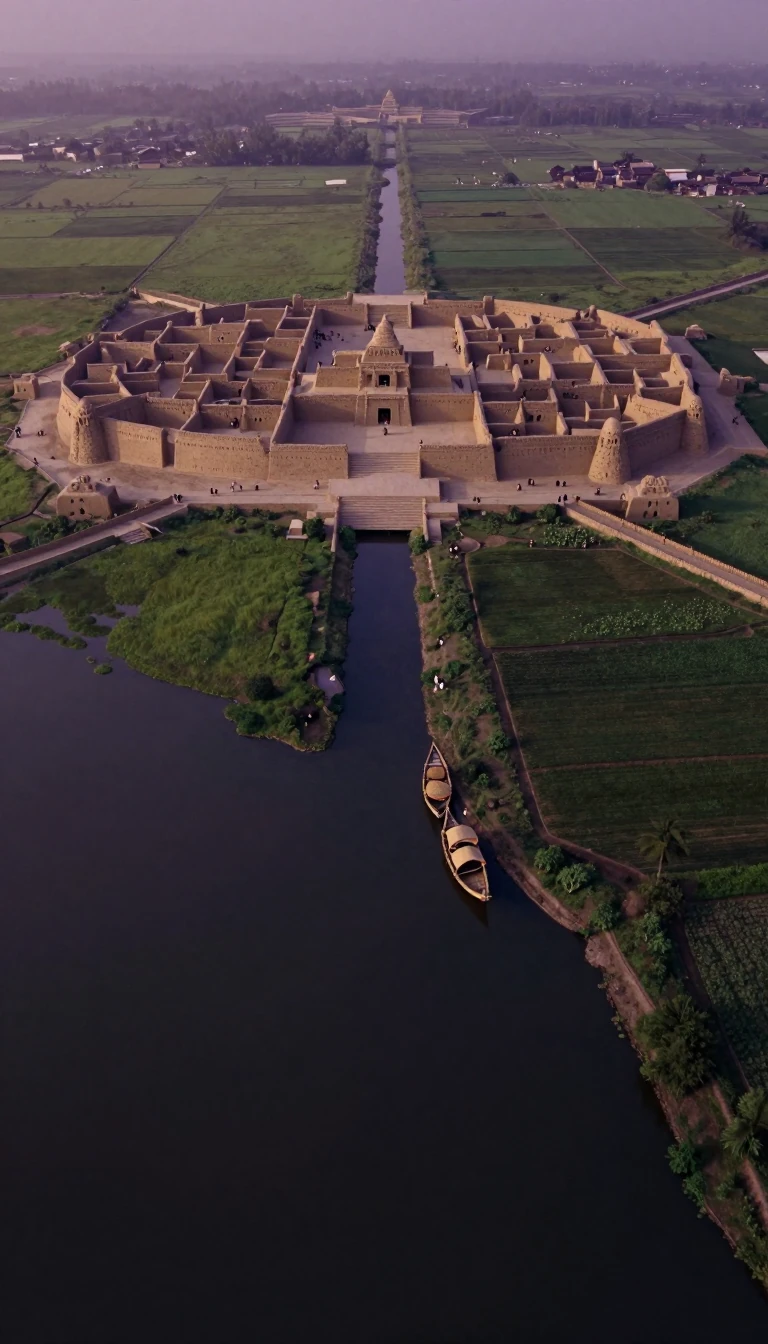
In short: Flowing 1,400 kilometers from the Adamawa Plateau to the Niger River, the Benue is a critical transportation route and ecological powerhouse. Yet, this river of hippos—as its name implies in the Tiv language—is a double-edged sword, serving as both a lifeline for agriculture and a source of devastating seasonal floods.
Originating in the Adamawa Plateau of northern Cameroon, the Benue River travels through the Lagdo Reservoir and across Nigeria, passing through towns like Jimeta and Makurdi before joining the Niger River at Lokoja. Historically, the Benue has been a significant hydrological force; before 1960, its mean discharge was measured at 3,400 cubic meters per second, exceeding the Niger’s own volume at their confluence. Its catchment basin spans 319,000 square kilometers, and for much of its length, the river remains navigable during summer months, cementing its status as a primary regional transportation corridor.
The river's relationship with the surrounding landscape is complex. While it supports vast agrarian communities, it also presents severe ecological risks. The region experiences a tropical savanna climate, and the river’s seasonal behavior can lead to catastrophic flooding. In 2022, widespread flooding across Nigeria displaced millions and caused hundreds of fatalities, with the Benue’s riverine areas suffering significant damage to infrastructure and farmland. These events have prompted government interventions, such as the construction of drainage channels in Makurdi and calls for regular dredging to mitigate erosion and flood impacts.
Beyond the immediate threat of water, the river’s environmental health is a subject of ongoing concern. Pollution from industrial waste, including ethanol, has necessitated government action to protect aquatic and human life. Furthermore, the river’s fluctuations can have strange secondary effects, such as the 2012 flooding that forced venomous snakes into human settlements, leading to a surge in snakebite fatalities. Managing the Benue requires a delicate balance between leveraging its utility as a transport and agricultural resource and safeguarding the vulnerable populations living along its banks from its volatile, life-altering power.
Opens the Intellect+ feed with this card first. Swipe up for the next one.
Sources
- Summary by Intellect · source: Benue River
- Also: Wikidata — Benue River · CC0
To cite this card, link to https://intellectplus.co.uk/app/places-benue-river.
How we source, check and correct cards: Editorial standards.
General information, not professional advice. Spotted an error? Flag the card or see corrections and complaints.
Intellect Plus is a visual educational discovery platform for exploring fascinating facts and ideas. Brain Food, Not Brain Rot. What is Intellect Plus?
Related
More in Bodies of water · More in Countries & Cities · Latest · A–Z · All topics
