How cricket's limited overs format evolved from Sunday afternoons to floodlights
In short: The modern One-Day Cup is a product of decades of structural experimentation. From its origins as a television-friendly Sunday afternoon pastime, the competition has undergone constant shifts in sponsorship, team counts, and technical rules to balance traditional county cricket with the demands of international standards.
The history of limited overs cricket in England and Wales is defined by a search for the ideal broadcastable format. The journey began significantly with the Gillette Cup in 1963, followed by the launch of the John Player League in 1969. These early competitions were designed to be concise enough for television; BBC2 even broadcast one match per week in full until the 1980s. This era was characterized by matches played on Sunday afternoons, a tradition that eventually shifted as the sport modernized.
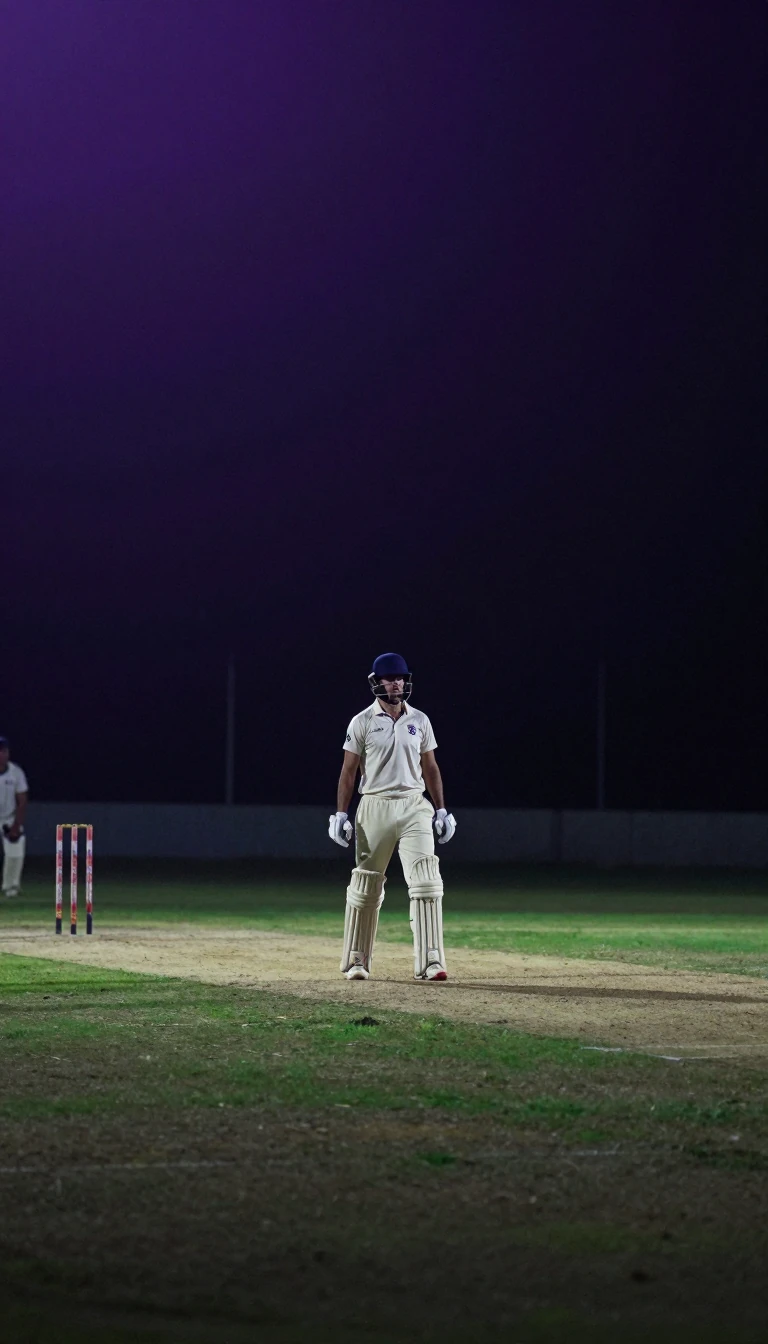
Technical milestones marked the transition toward the current game. In 1993, the AXA Equity and Law sponsored season saw the first official county matches played with a white ball and coloured clothing. The sport also moved indoors in a sense when Warwickshire faced Somerset at Edgbaston on July 23, 1997, marking the first competitive county game under floodlights. These changes were accompanied by fluctuating match lengths, moving between 40 and 50 overs per innings depending on the specific tournament's goals.
The contemporary One-Day Cup (now the Metro Bank One Day Cup) was established in 2014 as a replacement for the ECB40. While its predecessor ran from 2010 to 2013, the new format standardized the length at 50 overs per innings to align with international standards. The competition has seen various structural iterations, including geographical group divisions (North and South) until 2021, and a variety of sponsors ranging from Royal London to Metro Bank.
The evolution also involved complex team dynamics and expansion efforts. During the development of the ECB40, for instance, several nations were invited to participate. While Ireland declined to focus on international commitments, the Netherlands joined, and a unique unpaid team called the Unicorns was formed to bring the total number of teams to 21. However, these extra entities did not ultimately feature in the current One-Day Cup format.
Today, the competition maintains a round-robin structure with two groups of nine teams. The top three from each group advance to a knockout stage, culminating in a final that moved from its traditional home at Lord's to Trent Bridge in 2020.
Opens the Intellect+ feed with this card first. Swipe up for the next one.
Sources
- Summary by Intellect · source: One-Day Cup (England)
To cite this card, link to https://intellectplus.co.uk/app/places-one-day-cup-england.
How we source, check and correct cards: Editorial standards.
General information, not professional advice. Spotted an error? Flag the card or see corrections and complaints.
Intellect Plus is a visual educational discovery platform for exploring fascinating facts and ideas. Brain Food, Not Brain Rot. What is Intellect Plus?
Related
More in Bodies of water · More in Countries & Cities · Latest · A–Z · All topics
