Beneath the Venezuelan plains lies the world’s most massive reservoir of heavy crude oil
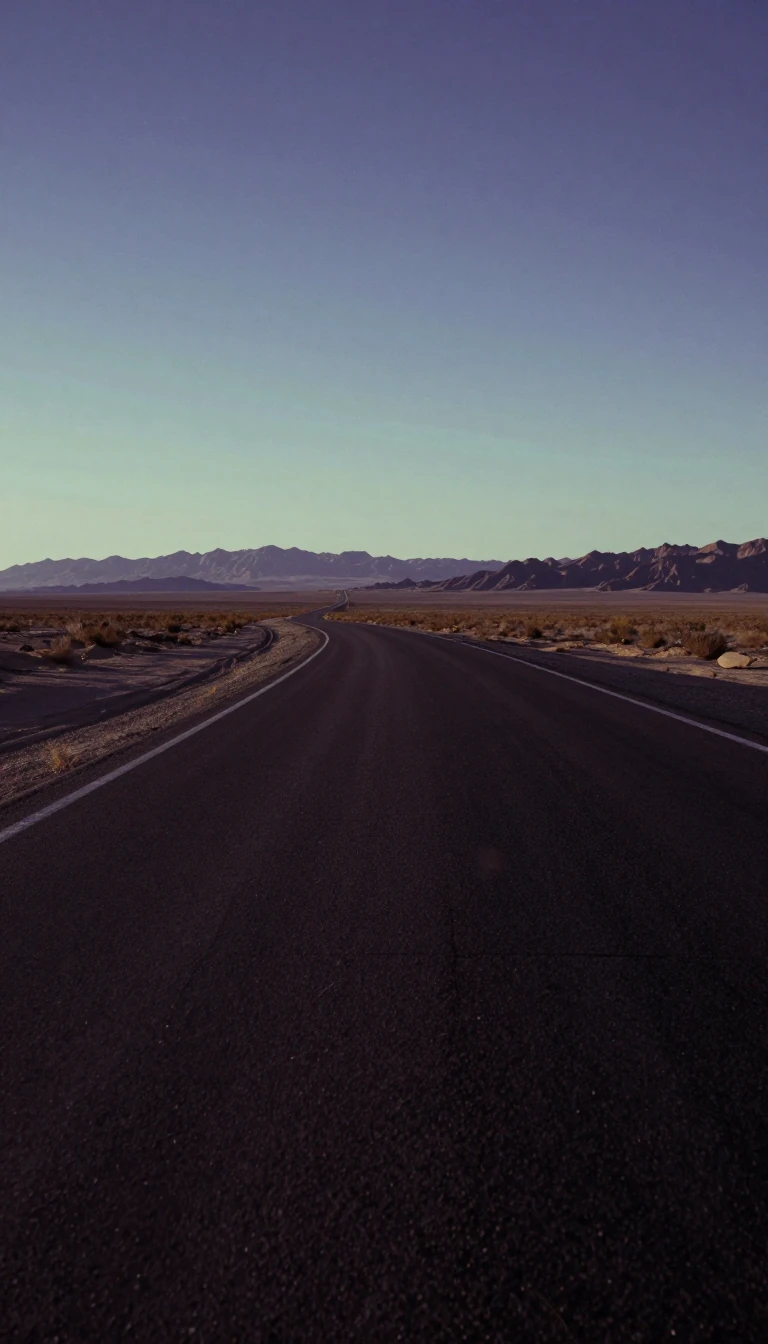
In short: The Orinoco Belt holds hundreds of billions of barrels of thick, viscous petroleum. While conventional oil flows easily, this extra-heavy crude requires specialized thermal recovery or mining to extract. It is a geological giant that has transformed Venezuela into a global leader in proven oil reserves, despite significant technical challenges.
The Orinoco Belt is a vast territory following the Orinoco River basin in Venezuela. Geologically, it contains extra-heavy crude oil, defined as having an American Petroleum Institute gravity of less than 20 degrees. Because this oil is so dense and viscous, it does not flow into well bores like lighter conventional crudes. Instead, it often requires thermal recovery methods to reduce its viscosity or, in the case of tar sands with less than 10 degrees API gravity, physical mining.
These deposits are largely the result of natural degradation. Conventional oil that migrated toward the surface was exposed to oxygen and bacteria in the presence of meteoric water, a process that stripped away lighter hydrocarbons and left behind a residue of asphaltenes, resins, and metals like vanadium and nickel. While these reservoirs are immense, they are rarely chemically uniform, with the distribution of bitumen varying significantly based on the porosity and permeability of the surrounding rock.
Estimates of the belt's scale vary depending on the criteria used. While Venezuela holds more than 300 billion barrels of proven reserves in total, the US Geological Survey has estimated that the Orinoco Belt alone contains up to 513 billion barrels of technically recoverable oil. Developing these resources remains a strategic priority for the state operator, Petróleos de Venezuela S.A., which has initiated various projects to quantify reserves and upgrade domestic refining capacity to process these poorer-quality, heavier hydrocarbons.
The history of exploitation in the region dates back to 1936, when the La Canoa-1 well began production. Early efforts faced difficulties due to the extraction challenges inherent in such heavy deposits. Today, the belt is divided into four primary exploration and production areas: Boyacá, Junín, Ayacucho, and Carabobo. These regions represent a significant, if marginally economic, alternative as producers worldwide look to replace depleted conventional oil fields.
Opens the Intellect+ feed with this card first. Swipe up for the next one.
Sources
- Summary by Intellect · source: How Much Oil Does Venezuela Have, and How Much Is Accessible? | Orinoco Oil Belt, Statistics, & Facts | Britannica
- Also: Orinoco Belt
To cite this card, link to https://intellectplus.co.uk/app/places-orinoco-belt.
How we source, check and correct cards: Editorial standards.
General information, not professional advice. Spotted an error? Flag the card or see corrections and complaints.
Intellect Plus is a visual educational discovery platform for exploring fascinating facts and ideas. Brain Food, Not Brain Rot. What is Intellect Plus?
Related
More in Bodies of water · More in Countries & Cities · Latest · A–Z · All topics
