The Soviet weapon that turned small boats into battleship killers
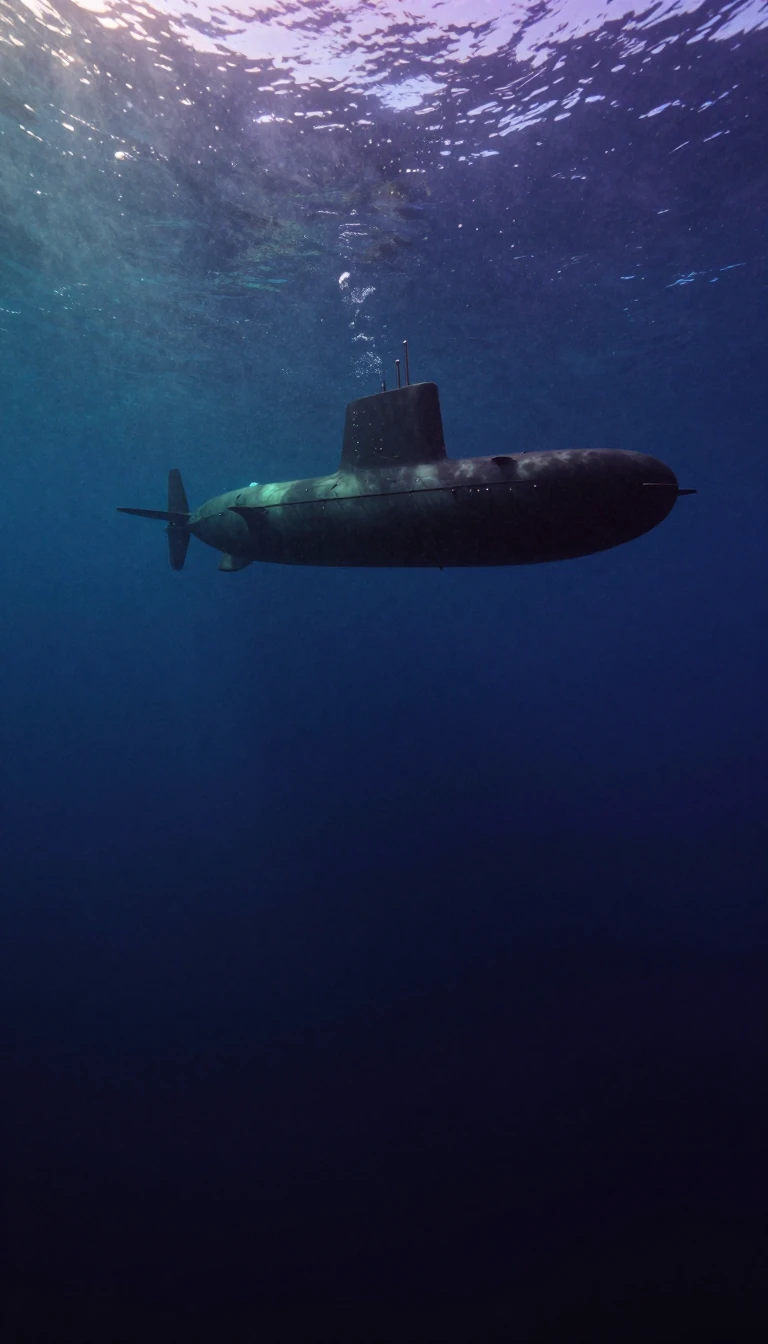
In short: In the 1950s, the Soviet Union faced a dilemma: how to strike heavy warships without building massive, expensive fleet carriers. The answer was the P-15 Termit. This missile allowed modest vessels to pack the punch of a battleship salvo, fundamentally altering naval warfare and coastal defense.
Developed by the Raduga design bureau in the 1950s, the P-15 (NATO reporting name SS-N-2 Styx) was designed to prioritize 'punch' over prestige. Instead of relying on a few costly heavy ships, the Soviet strategy shifted toward smaller, more numerous vessels equipped with these missiles. The weapon was engineered to be cheap enough for ordinary missile boats while carrying a 500-kilogram shaped charge warhead—an enlarged version of high-explosive anti-tank explosives typically used against ground armor.
The technical design was rooted in simplicity and raw power. Based on the Yak-1000 experimental fighter, it featured a cylindrical body with delta wings and a solid-fueled booster. To ensure reliability over complex turbojets, engineers utilized a rocket engine fueled by acid. However, this choice had a literal corrosive side effect: the fuel gradually ate away at the missile's fuselage. Furthermore, the chemical nature of the propellant restricted launches to a specific temperature window between -15 and 38 °C.
During a historic event on 21 October 1967, Egyptian Komar-class vessels launched P-15s to destroy the INS Eilat, representing an initial instance of combat involving anti-ship missiles. While it proved devastating against older fleets, its effectiveness was eventually countered by advancements in electronic warfare. By the 1973 Yom Kippur War, faster Israeli ships and advanced jamming techniques rendered many P-15 strikes ineffective, illustrating a classic arms race between missile reach and defensive countermeasures.
The legacy of the P-15 is global. China acquired the design in 1958, creating numerous variants like the Silkworm for coastal defense. These designs were exported and iterated upon by North Korea and Iraq, with the latter developing the Faw series based on the original Soviet architecture. Even today, its influence persists in various regional coastal defense systems.
Opens the Intellect+ feed with this card first. Swipe up for the next one.
Sources
- Summary by Intellect · source: P-15 Termit
- Also: Wikidata — P-15 Termit · CC0
To cite this card, link to https://intellectplus.co.uk/app/places-p-15-termit.
How we source, check and correct cards: Editorial standards.
General information, not professional advice. Spotted an error? Flag the card or see corrections and complaints.
Intellect Plus is a visual educational discovery platform for exploring fascinating facts and ideas. Brain Food, Not Brain Rot. What is Intellect Plus?
Related
More in Basics · More in Countries & Cities · Latest · A–Z · All topics
