Palawan is a drifting piece of China that became a Philippine island
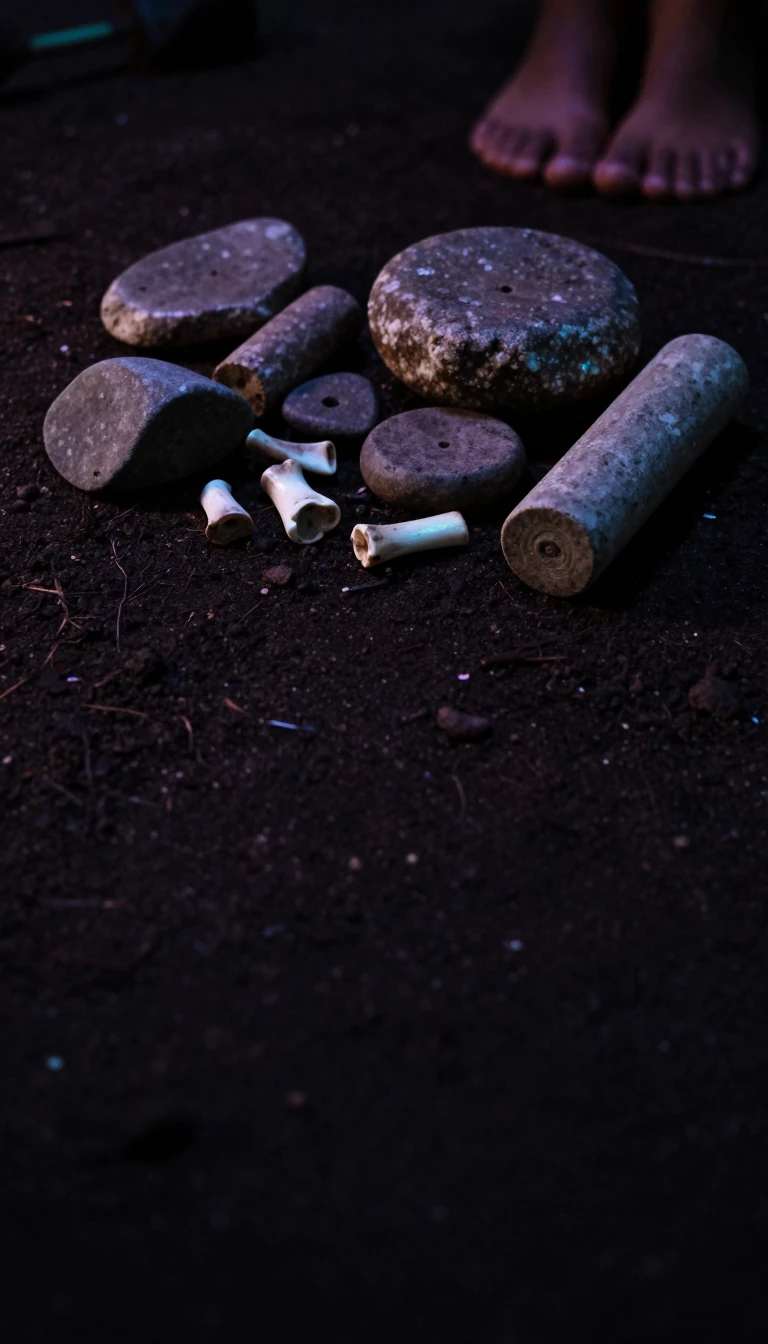
In short: Geologically, Palawan is an anomaly. While the rest of the Philippines formed differently, this island is actually a microcontinent that broke away from the Chinese crust and drifted south. This unique origin, combined with its biogeographical ties to Borneo, makes Palawan a strange, mountainous world unlike anywhere else in the archipelago.
Palawan’s distinct geology is rooted in its past as a detached fragment of the Eurasian Plate. Millions of years ago, this microcontinent drifted southward during the opening of the South China Sea. Today, the island’s northeast section still contains some of the oldest rocks in the Philippines, dating back to the Permian-Carboniferous period. In contrast, the southwest is dominated by ophiolitic material—uplifted oceanic crust and mantle—that was thrust over the continental base roughly 34 million years ago, creating a complex geological transition zone near central Palawan’s Ulugan Bay.
The island’s biological history is equally fascinating. Biogeographically, Palawan belongs to Sundaland, sharing more in common with Borneo than with the rest of the Philippines. Archaeological excavations at Ille Cave have unearthed evidence of this deep connection, including subfossils of tigers dated to between 12,000 and 9,000 years ago. Whether these tigers were native colonizers from Borneo or imported as exotic amulets remains a subject of debate, but their presence highlights the island's unique position as a crossroads of ancient migration and trade.
Human history on the island has been shaped by waves of migration and shifting linguistic dominance. While Cuyonon was once the primary lingua franca for diverse native groups, the 1990s and 2000s saw a sharp decline in its use as Tagalog became the dominant language. This shift followed the province's administrative integration into the Southern Tagalog region. Today, the island remains a melting pot, with its population of over one million people reflecting a blend of indigenous traditions, historical migration from the Ilocandia and Panay regions, and more recent arrivals fleeing conflict in Mindanao.
Opens the Intellect+ feed with this card first. Swipe up for the next one.
Sources
- Summary by Intellect · source: Palawan (island)
To cite this card, link to https://intellectplus.co.uk/app/places-palawan-island.
How we source, check and correct cards: Editorial standards.
General information, not professional advice. Spotted an error? Flag the card or see corrections and complaints.
Intellect Plus is a visual educational discovery platform for exploring fascinating facts and ideas. Brain Food, Not Brain Rot. What is Intellect Plus?
Related
More in Islands · More in Countries & Cities · Latest · A–Z · All topics
