The lost capital of Egypt that vanished into the desert sands
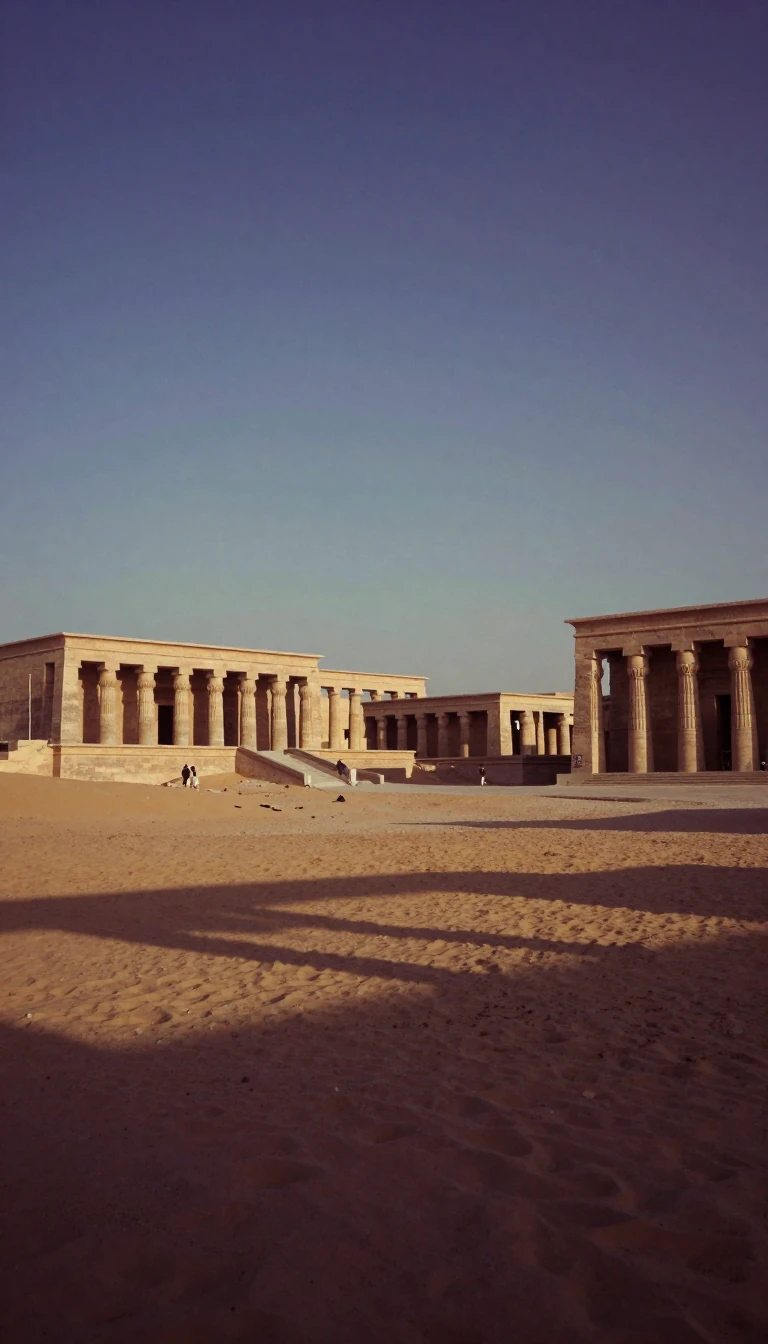
In short: For centuries, archaeologists were misled by ruins at Tanis, believing them to be the legendary city of Ramesses II. It took modern mapping to reveal that the true capital, Pi-Ramesses, was actually 30 kilometers away—a massive metropolis designed for war, trade, and a population of over 300,000.
Pi-Ramesses (meaning 'House of Ramesses') was established by Pharaoh Ramesses II between 1279–1213 BC. While it may have served as a summer palace earlier under Seti I or even Ramesses I, its primary purpose was geopolitical. Located near the border with the hostile Hittite empire and Asian vassal states, it allowed for rapid military mobilization and faster communication with diplomats. The city functioned as a strategic hub, featuring docks, storehouses, and massive military facilities.
The site's location was obscured by shifting geography. In the 1930s, archaeologists mistakenly identified Tanis as Pi-Ramesses because of the sheer volume of Ramesside stonework found there. It wasn't until the 1960s that Manfred Bietak used mapping to prove that the Nile's Pelusiac branch—where Pi-Ramesses sat—was the easternmost branch during Ramesses' reign. The Tanitic branch, where Tanis lies, did not exist at that time. This discovery relocated the capital to Qantir, situated near the older Hyksos capital of Avaris.
The city was an architectural marvel, described by some as the 'Venice of Egypt' due to its complex system of canals and lakes. It featured a rigid grid of mansions along the western riverbank and a massive central temple. Interestingly, archaeological finds in the stables revealed small cisterns next to 460 horse tether points; researchers found that these allowed horses to use them as toilets, keeping the stable floors dry. By c. 1060 BC, the Pelusiac branch began silting up, eventually forcing the 21st Dynasty to move the capital and transport nearly all of Pi-Ramesses' monuments—including statues weighing over 200 tons—to the new site at Tanis.
The city also holds significant weight in religious history. Scholars identify it as the 'Raamses' mentioned in the Book of Exodus, where Israelites were said to labor on its construction. While some view these biblical references as anachronisms from the 7th century BC, others see them as authentic cultural memories of the 19th and 20th Dynasties.
Opens the Intellect+ feed with this card first. Swipe up for the next one.
Sources
- Summary by Intellect · source: Pi-Ramesses
- Also: Wikidata — Pi-Ramesses · CC0
To cite this card, link to https://intellectplus.co.uk/app/places-pi-ramesses.
How we source, check and correct cards: Editorial standards.
General information, not professional advice. Spotted an error? Flag the card or see corrections and complaints.
Intellect Plus is a visual educational discovery platform for exploring fascinating facts and ideas. Brain Food, Not Brain Rot. What is Intellect Plus?
Related
More in Cities · More in Countries & Cities · Latest · A–Z · All topics
