From Ancient Egypt to Modern Tech Hubs, Why Do We Build Cities From Scratch?
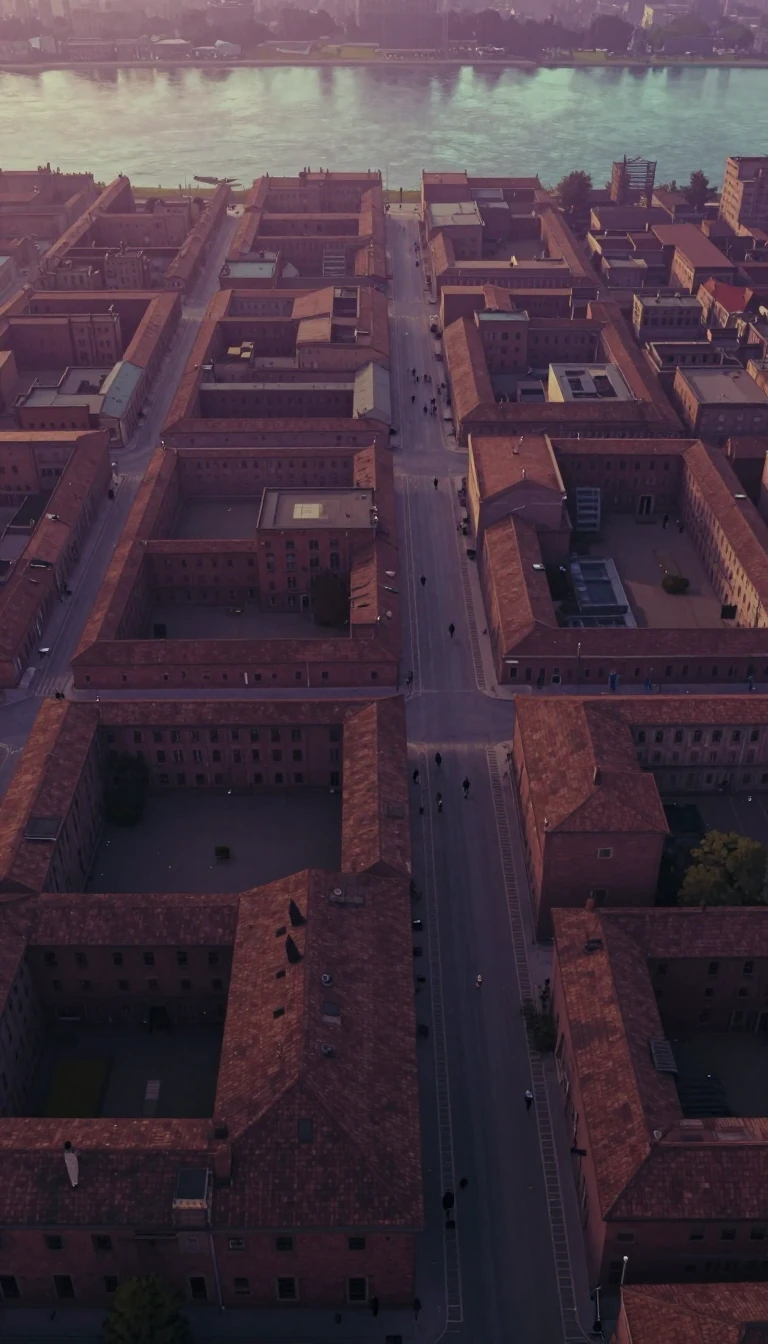
In short: A planned community is not an organic growth but a deliberate design from its inception. While we often associate these projects with modern, futuristic capitals, the practice of building cities on fresh ground dates back thousands of years, serving purposes from political power to industrial efficiency and population management.
The impulse to design a city from the ground up is as old as civilization itself. In ancient Egypt, kings frequently commissioned new capitals to solidify their authority. King Narmer established Memphis around 3150 B.C., while Akhenaten built Akhetaten in the 14th century B.C. By the 13th century B.C., Ramesses II constructed Pi-Ramesses, which became the first city in history to surpass 100,000 residents, eventually reaching a peak population of 300,000. These early examples demonstrate that the concept of a 'model city'—a design intended for others to imitate—has deep historical roots, even if the term itself only appeared in 1854.
Modern planning often focuses on administrative or economic necessity. Many nations have built dedicated capital cities, such as Canberra, Brasília, Abuja, and Islamabad, to centralize governance. Others, like Sumqayit in Azerbaijan or the 20th-century company towns built for oil and factory work, were designed specifically to support industrial output. In Egypt, the government launched a policy in the late 1970s to build new desert towns, such as 10th of Ramadan and New Borg El Arab, to accommodate demographic shifts. These projects reflect a recurring strategy: using urban design as a tool to solve national challenges, whether it is managing rapid population growth or fostering technological innovation.
Today, the scope of planned communities has expanded to include 'smart cities' and high-tech hubs. Projects like Konza Technology City in Kenya, expected to be a science hub by 2030, and Eko Atlantic City in Nigeria, which is being reclaimed from the Atlantic Ocean, show how developers are still turning to blank slates to shape the future. While some of these cities are built on undeveloped land, others are integrated into existing regions. Regardless of the era, the core mechanism remains the same: replacing organic evolution with a blueprint to achieve specific social, economic, or political goals.
The success of these ventures varies, as many planned cities must eventually transition from their initial, controlled state into the complexities of mainstream local government. Whether it is an ancient port like Heracleion or a modern administrative center like Putrajaya, the history of the planned community is a testament to the human desire to impose order on the landscape.
Opens the Intellect+ feed with this card first. Swipe up for the next one.
Sources
- Summary by Intellect · source: Planned community
- Also: Wikidata — planned community · CC0
- Also: Wikidata — planned community in France · CC0
To cite this card, link to https://intellectplus.co.uk/app/places-planned-community.
How we source, check and correct cards: Editorial standards.
General information, not professional advice. Spotted an error? Flag the card or see corrections and complaints.
Intellect Plus is a visual educational discovery platform for exploring fascinating facts and ideas. Brain Food, Not Brain Rot. What is Intellect Plus?
Related
More in Cities · More in Countries & Cities · Latest · A–Z · All topics
