The First Cities Emerged Only When Agriculture Could Finally Sustain a Permanent Population
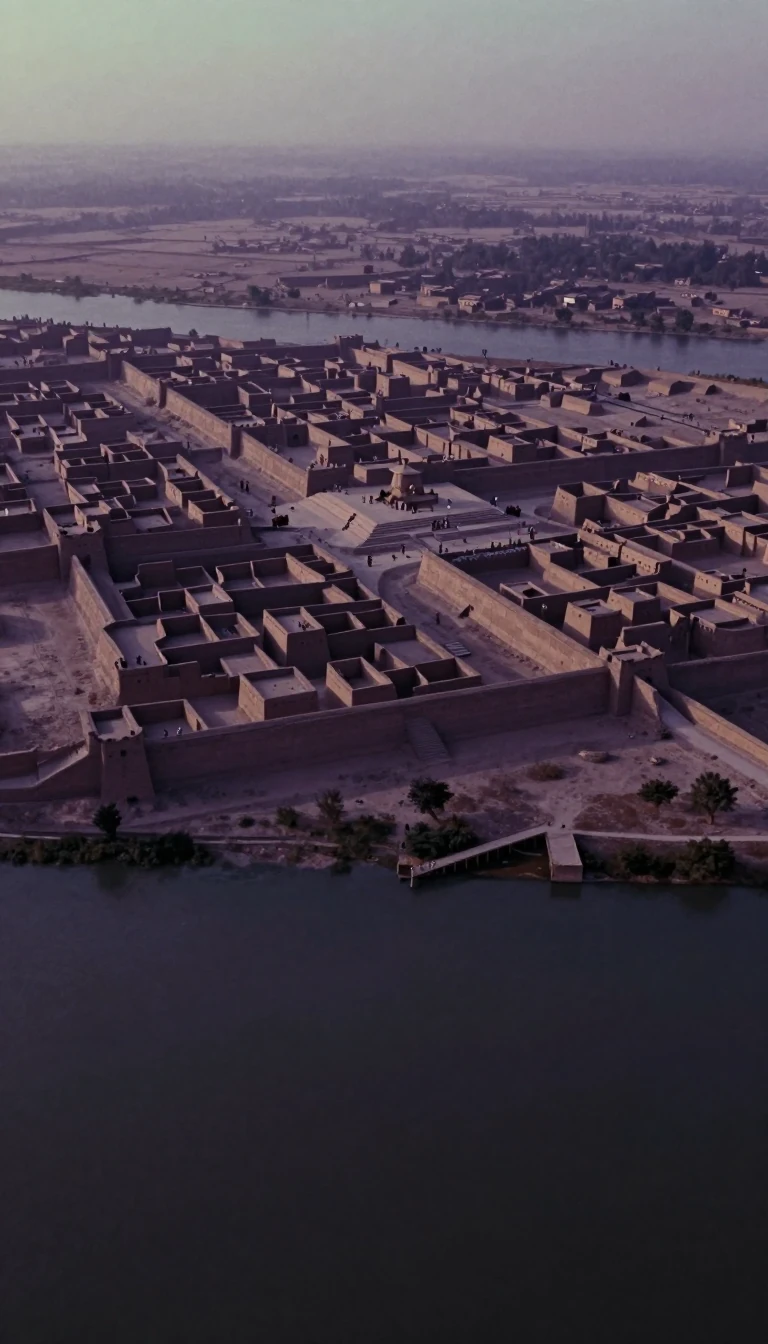
In short: Cities are not merely collections of buildings; they are complex systems of resource pooling and shared infrastructure. Their existence was historically limited by the immense labor required to maintain them. Only when agricultural breakthroughs allowed for consistent food surpluses did the first permanent urban centers finally become a viable reality.
The transition from nomadic life to permanent urban settlement was a technological and economic threshold. Ancient cities required significant inputs of food and labor, making them prohibitive to maintain until agricultural techniques evolved during the Neolithic Period. Once these methods could reliably produce surplus yields, the benefits of proximity—such as large marketplaces, shared law enforcement, and centralized water and sewerage systems—began to outweigh the costs of sustaining a dense population. Early foundational technologies, including animal taming, pottery, and brick-making, were essential to this shift, allowing civilizations to take root in fertile regions like the Nile, Indus, and Wei River valleys.
As history progressed, the structure of these urban centers evolved alongside political systems. Ancient Greece pioneered the city-state, a model that influenced the rise of the Roman Empire and later the influential trading hubs of medieval Italy, such as Florence, Genoa, and Venice. By the post-medieval era, the autonomy of these centers began to wane as they fell under the control of centralized governments, increasingly serving the needs of the emerging nation-state. This trajectory shifted dramatically during the Industrial Revolution, which triggered rapid urbanization across England, northwestern Europe, and the northeastern United States, fundamentally altering the nature of Western life.
The 20th century marked a global normalization of urban living, with many nations seeing between 30% and 60% of their populations residing in major centers by the mid-century. However, the rise of the automobile introduced new patterns of development, leading to the expansion of suburbs and urban sprawl as older industrial infrastructure aged. Despite these challenges, the turn of the 21st century brought a period of rejuvenation to many urban areas. Today, while historians debate the precise definition of what constitutes a true city, the fundamental tension between the benefits of dense human proximity and the logistical costs of maintaining such environments remains a defining feature of the human experience.
Opens the Intellect+ feed with this card first. Swipe up for the next one.
Sources
- Summary by Intellect · source: History of cities
- Also: A brief history of cities and urbanization | Britannica
To cite this card, link to https://intellectplus.co.uk/app/history-history-of-cities.
How we source, check and correct cards: Editorial standards.
General information, not professional advice. Spotted an error? Flag the card or see corrections and complaints.
Intellect Plus is a visual educational discovery platform for exploring fascinating facts and ideas. Brain Food, Not Brain Rot. What is Intellect Plus?
Related
More in History by topic · More in History · Latest · A–Z · All topics
