Why the Arctic and Antarctic are the most critical engines of global climate change
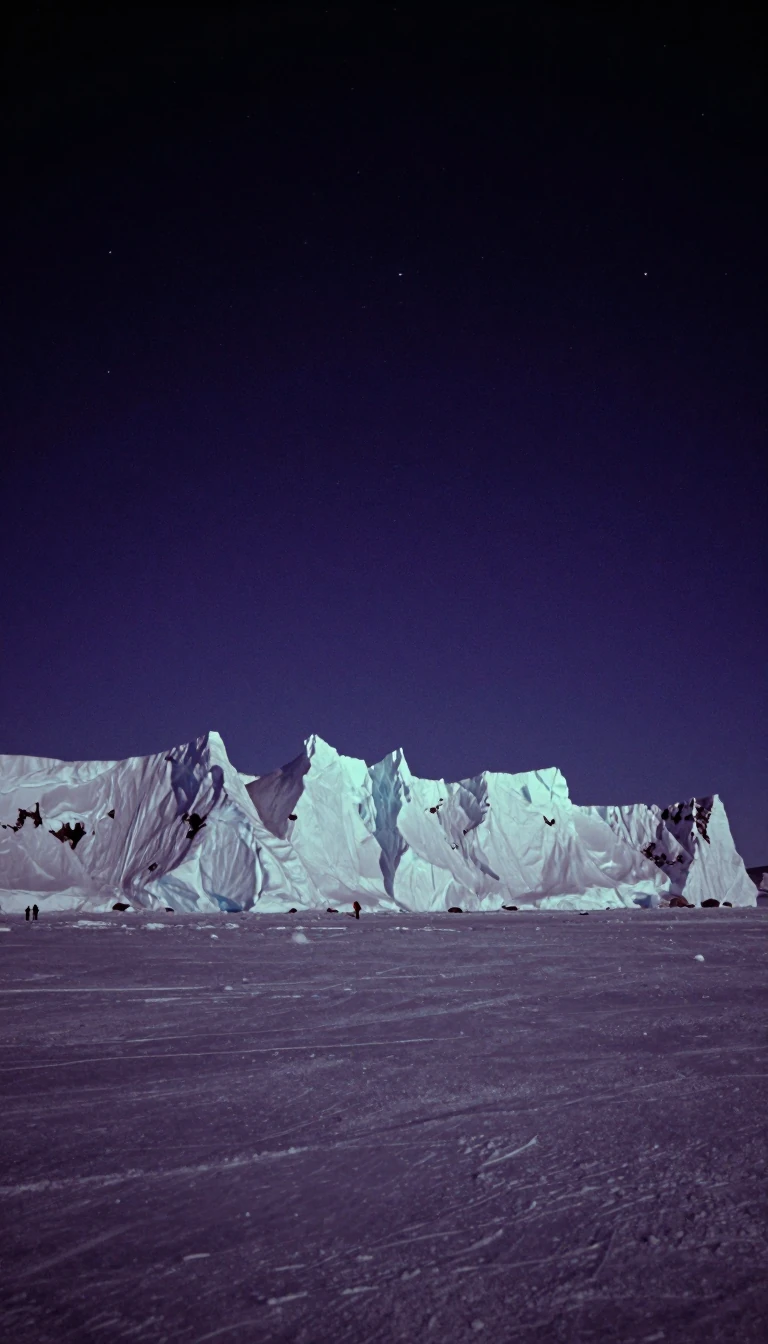
In short: The polar regions are warming significantly faster than the rest of the planet, triggering shifts that ripple far beyond the ice. Because these zones dictate global atmospheric and ocean circulation, their instability threatens to reshape climates worldwide. Scientists are now racing to decode these complex interactions to improve our future.
The polar regions, encompassing the Arctic and Antarctic, are defined by their extreme cold and unique reliance on solar radiation patterns. Because the Earth’s axis is tilted at 23.5 degrees, these high-latitude zones receive sunlight at an oblique angle, spreading energy over a larger area. This effect is compounded by the high reflectivity of ice and snow, which bounces back much of the already weak solar energy. Consequently, these regions experience frigid conditions year-round, characterized by heavy glaciation and extreme seasonal shifts in daylight, ranging from twenty-four-hour summer sun to total mid-winter darkness.
Despite their isolation, these regions are not static. The Arctic is dominated by floating sea ice, while the Antarctic is defined by a massive ice sheet covering the continent. These environments are currently undergoing rapid transformation. Research initiatives like PolarRES are investigating how these polar processes—specifically the chemical and physical interactions between the atmosphere, ocean, and ice—drive global climate systems. Because current climate projections for these regions remain highly uncertain, scientists are struggling to predict the full scale of environmental and social impacts that will result from this accelerated warming.
The stakes are global. Changes in polar circulation do not stay at the poles; they influence weather patterns across Europe and the wider world. By studying these interactions across multiple spatial and temporal scales, researchers aim to reduce existing uncertainties in climate modeling. This work is essential for developing effective mitigation and adaptation strategies. As the Arctic sea ice continues to decline, the survival of species like polar bears—and the stability of human societies dependent on predictable climate patterns—hangs in the balance. Providing more confident projections is the primary goal of modern polar science, ensuring that nations can better prepare for a rapidly shifting global environment.
Opens the Intellect+ feed with this card first. Swipe up for the next one.
Sources
- Summary by Intellect · source: Polar regions in the Earth system - British Antarctic Survey
- Also: Polar regions
To cite this card, link to https://intellectplus.co.uk/app/places-polar-regions.
How we source, check and correct cards: Editorial standards.
General information, not professional advice. Spotted an error? Flag the card or see corrections and complaints.
Intellect Plus is a visual educational discovery platform for exploring fascinating facts and ideas. Brain Food, Not Brain Rot. What is Intellect Plus?
Related
More in Basics · More in Countries & Cities · Latest · A–Z · All topics
