Why Bologna built 53 kilometres of covered walkways to house a growing population
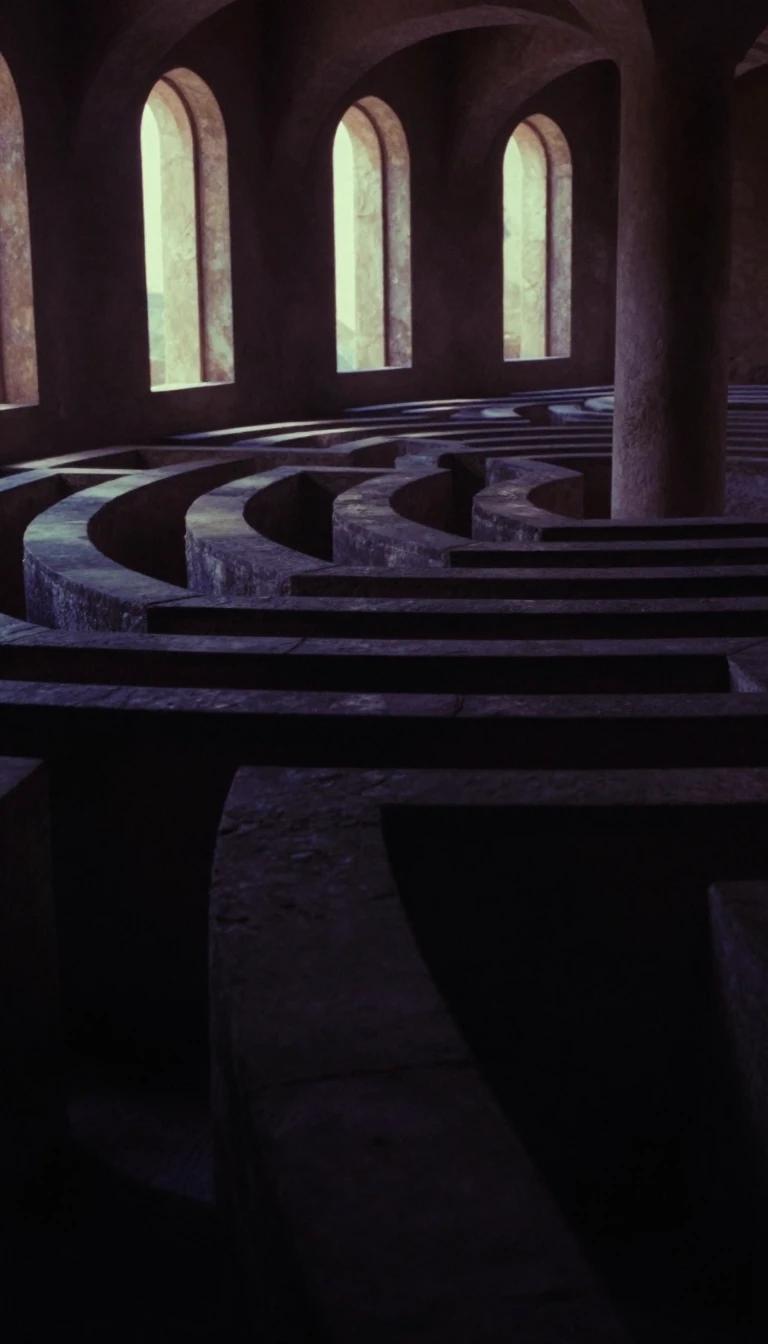
In short: Bologna holds a unique architectural record: over 53 kilometres of interconnected porticoes. Originally emerging in the early Middle Ages as spontaneous private expansions onto public land, these arcades evolved from wooden projections into a sophisticated urban network. Today, they stand as a UNESCO World Heritage site and a defining city symbol.
The origin of Bologna's porticoes dates back to at least 1041. Initially, residents expanded their living space by extending upper floors over public streets using wooden jetties. As these structures grew, support columns became necessary to prevent collapse, inadvertently creating the covered walkways that define the city's historic centre. This architectural form shares functional similarities with the Qi-lou of southern China and the Gan-gi of Japan.
By 1288, the local municipality recognized the value of these structures, mandating that all new buildings include a portico and requiring existing structures to add one. This expansion was essential for accommodating a surge in students and scholars at the University of Bologna, alongside a growing influx of migrants from the surrounding countryside. While early versions were primarily wooden, a 1568 decree by Giovanni Battista Doria and Camillo Paleotti initiated a transition to more durable brick and stone, though rare wooden examples like those on via Marsala persist.
The network is anchored by the Portico of San Luca, the longest in the world at nearly four kilometres. Featuring 666 vaults, it links the medieval city gate of Porta Saragozza to the Sanctuary of the Madonna di San Luca. Since 1433, this path has served as a vital route for an annual procession carrying a Byzantine icon to the Bologna Cathedral. In 2021, the entire system was officially recognized as a UNESCO World Heritage site for its profound cultural and artistic significance.
Opens the Intellect+ feed with this card first. Swipe up for the next one.
Sources
- Summary by Intellect · source: Porticoes of Bologna
- Also: Wikidata — porticoes of Bologna · CC0
To cite this card, link to https://intellectplus.co.uk/app/places-porticoes-of-bologna.
How we source, check and correct cards: Editorial standards.
General information, not professional advice. Spotted an error? Flag the card or see corrections and complaints.
Intellect Plus is a visual educational discovery platform for exploring fascinating facts and ideas. Brain Food, Not Brain Rot. What is Intellect Plus?
Related
More in World Heritage Sites · More in Countries & Cities · Latest · A–Z · All topics
